Not better. Different.
Boiler vs furnace is not a contest one side wins. One moves hot water, the other moves hot air, and the right answer depends on what your house already has.


 Licensed technicians
Quick answer
A furnace heats air and blows it through ducts. A boiler heats water and sends it to radiators or floor loops. If your house already has ducts, a furnace is almost always the cheaper path. If it has radiators, converting to ducts is a renovation, not a heating decision.
Key takeaways
- Gas boilers sold in Canada “must have an AFUE rating of at least 82 percent.”
- Condensing gas furnaces run at “between 90 and 98 percent” AFUE.
- A condensing boiler can reach 90 percent or higher, but not always in practice.
- Ducts carry filtration, cooling and ventilation. Water pipes carry heat only.
- Above all, the existing distribution system usually decides this, not the equipment.
Boiler vs furnace, the actual difference
First, strip away the brochures. The difference is what carries the heat around the house.
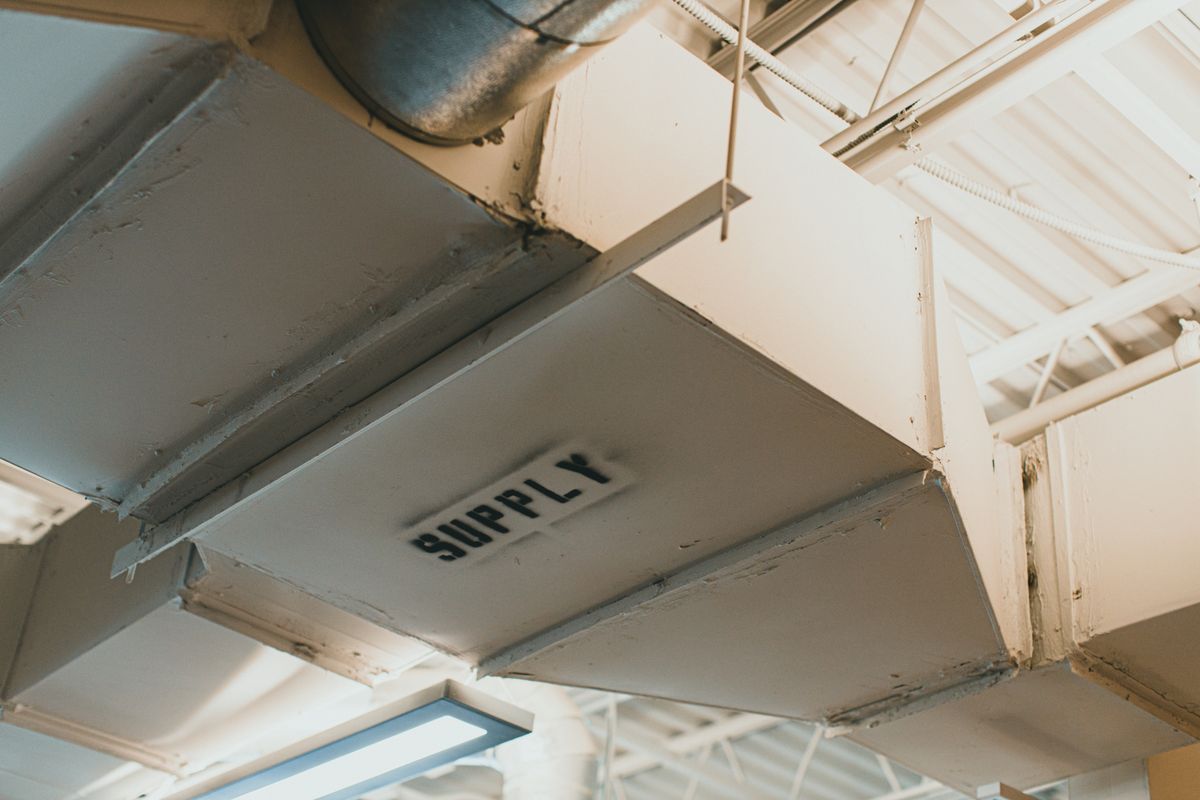
A furnace warms air at a heat exchanger, and a blower pushes that air through ductwork to registers in each room.
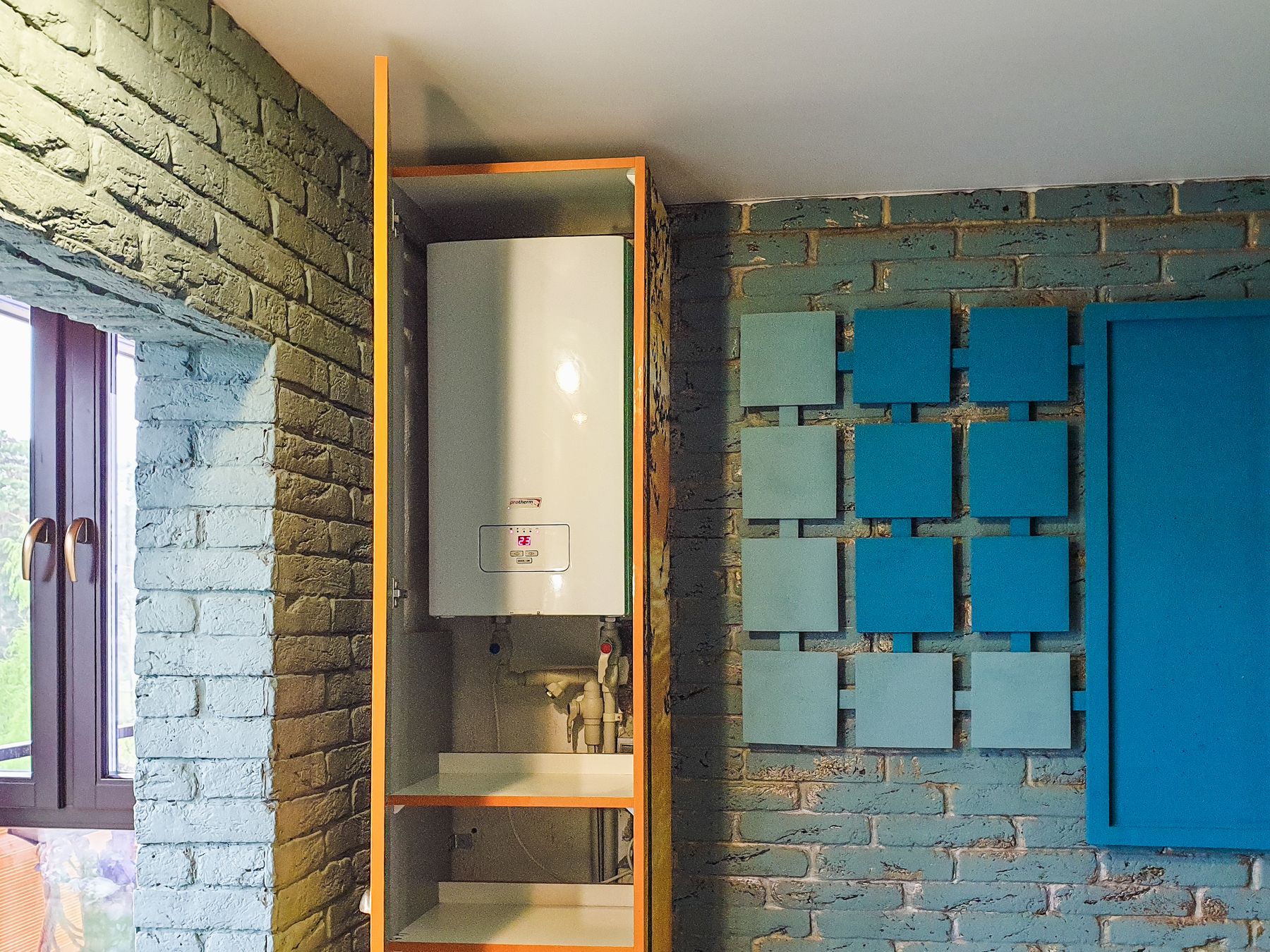
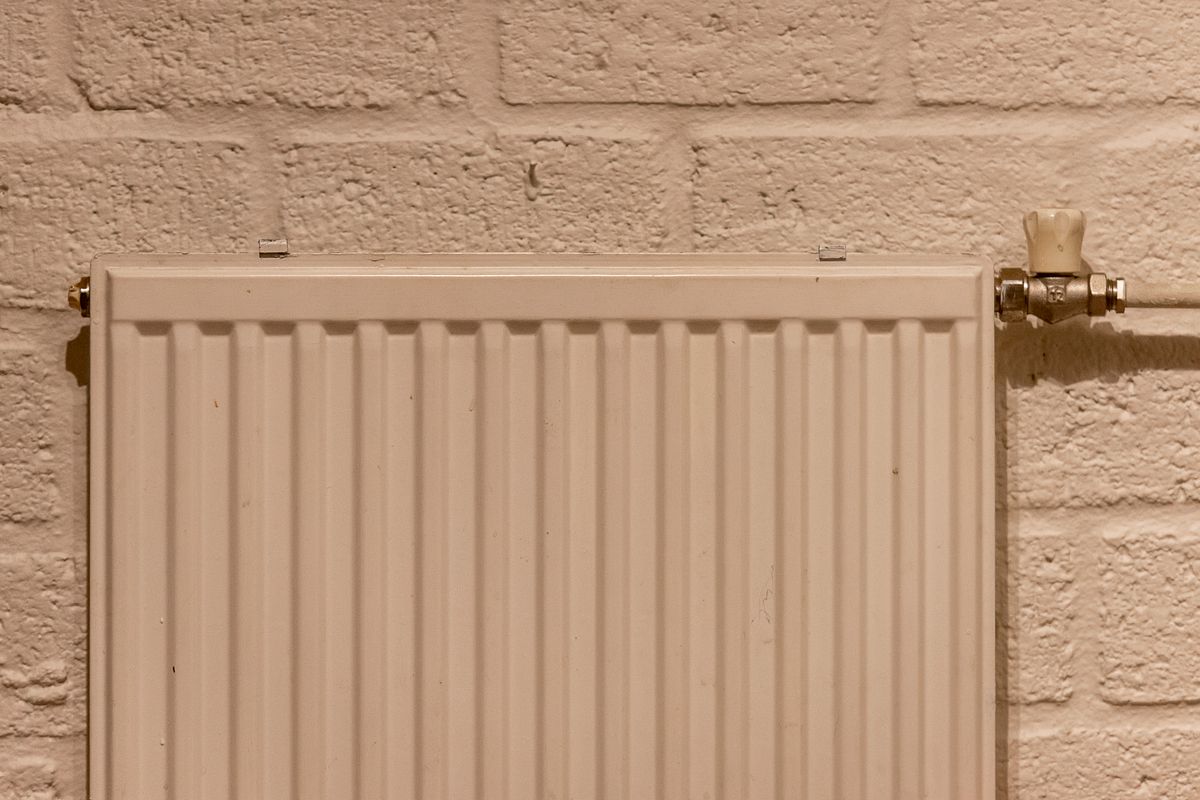
By contrast, a boiler warms water and circulates it to radiators, baseboards or pipes buried in the floor. In effect, the room heats from those surfaces rather than from moving air.
Consequently the two systems feel different. Forced air warms a room quickly and then stops, while hydronic heat is slower, steadier and silent.
The efficiency numbers, read honestly
Secondly, the ratings, because this is where comparisons usually go wrong.
Natural Resources Canada sets the floor for boilers plainly. “Residential gas boilers sold in Canada must have an AFUE rating of at least 82 percent,” and ENERGY STAR models must reach at least 85 percent.
Furthermore, a condensing boiler “can have an AFUE rating of 90 percent or higher.” Non condensing models typically land at 82 to 89 percent.
However, the same guide adds a caution most comparisons skip. In practice, condensing boilers in hydronic systems “may not achieve this efficiency,” because they only condense when the returning water is cool enough.
Return water temperature is only part of it. If the system also loses pressure between seasons, our notes on boiler pressure in Churchill explain the normal range and what a drop usually means.
Meanwhile furnaces have moved further. Condensing gas furnaces reach “between 90 and 98 percent,” and new standard models must meet 95 percent under Canada’s regulations.
| Question | Furnace | Boiler |
|---|---|---|
| What it moves | Heated air through ducts | Heated water through pipes |
| Minimum efficiency in Canada | 95% AFUE on new standard units | 82% AFUE, 85% for ENERGY STAR |
| Can it run your air conditioning | Yes, same ducts and blower | No, cooling needs its own system |
| Filtration and ventilation | Yes, the air passes a filter | No, it heats only |
| Comfort character | Fast, with air movement | Steady, quiet, radiant |
| Freeze risk if it fails | Low | Real, the system holds water |
What ducts give you that pipes cannot
Thirdly, the point people forget until summer. Ducts are infrastructure, not just heating.
The same ducts carry cooling, so central air shares the furnace blower. By contrast, a house on radiators needs a separate solution for summer.
Air trapped in those radiators is the other seasonal job. Our guide to bleeding a radiator in Lefroy walks through the order to do it in.
Likewise, air passing through a filter is air you can clean. Hydronic heat never touches your indoor air, which means filtration and humidity control need their own equipment.
Therefore the duct question is really a whole house question. Our notes on what closing vents does to a duct system show how much that network affects comfort.
Where a boiler genuinely wins
Next, the honest case for hydronic heat, because it is a real one.
In the boiler vs furnace comparison, radiant floors are the most comfortable heat most people ever stand on. Moreover, nothing blows, nothing rattles and the temperature barely swings.
In addition, a boiler suits houses where ductwork simply will not fit. For example, old stone and brick homes, narrow stairwells and finished basements all make duct runs expensive.
Similarly, zoning is straightforward with water. Separate loops and thermostats control rooms independently without the balancing work ducts demand.
Of course, boilers need their own care through a Simcoe County winter. Our guide to preventing boiler breakdowns in cold snaps covers that side.
What this means around Shanty Bay
Shanty Bay has a mix we see nowhere else in the county. Older lakefront homes often run hydronic heat, while newer builds up the hill are forced air throughout.
Consequently boiler vs furnace is rarely theoretical here. It is usually a homeowner with radiators asking whether to convert, and the honest answer is usually no.
In fact, converting means running ducts through finished walls and ceilings. The cost lands in renovation territory long before the equipment is even priced.
Admittedly a ductless system sometimes bridges the gap. That is, it adds cooling to a radiator house without tearing anything open.
Settling boiler vs furnace in ten minutes
Firstly, walk the house and look at what delivers the heat. In short, registers in floors or walls mean ducts, and radiators or baseboards mean water.
Secondly, ask what you want that you do not have. After all, cooling, filtration and fresh air all point toward ducts.
Thirdly, if you already have ducts, compare furnaces rather than systems. Our guide to when replacing a furnace beats repairing it is the next step.
Finally, if you have radiators and like the heat, keep the boiler and spend the money on controls and maintenance instead.
Talk to Aire One Barrie
We service and install both systems, so the advice you get is not steered by what we happen to sell. We serve Shanty Bay and the rest of Simcoe County from our Barrie shop.
- 24/7 emergency service, including weekends and holidays
- Boiler service, repair and replacement
- Furnace replacement sized by heat loss calculation
- Bonded, factory trained and licensed technicians
Frequently asked questions
Is a boiler or a furnace more efficient?
On paper the modern furnace rates higher. Condensing gas furnaces reach 90 to 98 percent AFUE, while gas boilers must only meet 82 percent, or 85 percent for ENERGY STAR. A condensing boiler can reach 90 percent or more, though Natural Resources Canada notes it may not achieve that in practice.
Can I replace a boiler with a furnace?
Technically yes, but it means installing a full duct system through a house that has none. That is renovation work, and the cost usually outweighs any efficiency gain.
Can a boiler run my air conditioning?
No. A boiler moves hot water and has no ductwork or blower. Cooling a hydronic house needs a separate system, and a ductless setup is often the simplest route.
Which is better for allergies?
They work differently. A furnace passes household air through a filter, which lets you clean it. A boiler never touches indoor air, so it stirs up less dust but also filters nothing.
In boiler vs furnace, which lasts longer?
Neither has an official service life in Canada. Condition and maintenance decide it, and a boiler left to freeze during a failure can be damaged far faster than any furnace.
Sources
- Natural Resources Canada, Heating with Gas — minimum and ENERGY STAR boiler AFUE, condensing boiler performance in practice, and condensing furnace ratings.
- Natural Resources Canada, Gas furnaces regulations — the 95 percent AFUE minimum for new standard gas furnaces.