The visit that finds the crack before the cold does.
Ontario’s regulator asks for every fuel appliance to be checked yearly. The federal guidance says what that check should actually include.


 Licensed technicians
Quick answer
An annual furnace inspection is a pre-season visit by a licensed contractor that checks combustion, airflow, controls and venting before the heating season loads the system. Natural Resources Canada advises hiring “a licensed and insured contractor to do annual pre-season check-ups.” Ontario’s regulator goes further. It asks for every fuel-burning appliance in the house, not only the furnace.
Key takeaways
- Firstly, the federal advice asks for a yearly pre-season check.
- Ontario’s regulator asks for every fuel appliance, not just the furnace.
- Gas connections, burner combustion and the heat exchanger are the safety core.
- Filters stay yours between visits, and the interval is in the manual.
- Above all, a cracked heat exchanger is found by inspection, never by a reset.
What the guidance actually asks for
First, the instruction. It is shorter and clearer than most people expect.
Natural Resources Canada tells homeowners to hire “a licensed and insured contractor to do annual pre-season check-ups.”
Then the timing follows the season. The guidance pairs cooling with spring and heating with fall. So the furnace visit belongs before the cold, not during it.
Meanwhile Ontario adds a second instruction. TSSA advises having “all fuel-burning appliances inspected annually through the services of a TSSA registered fuel contractor.”
In other words, the water heater and the fireplace sit on the same list. Our guide to gas fireplace maintenance covers the one most households forget.
Consequently the yearly booking covers several appliances in one visit.
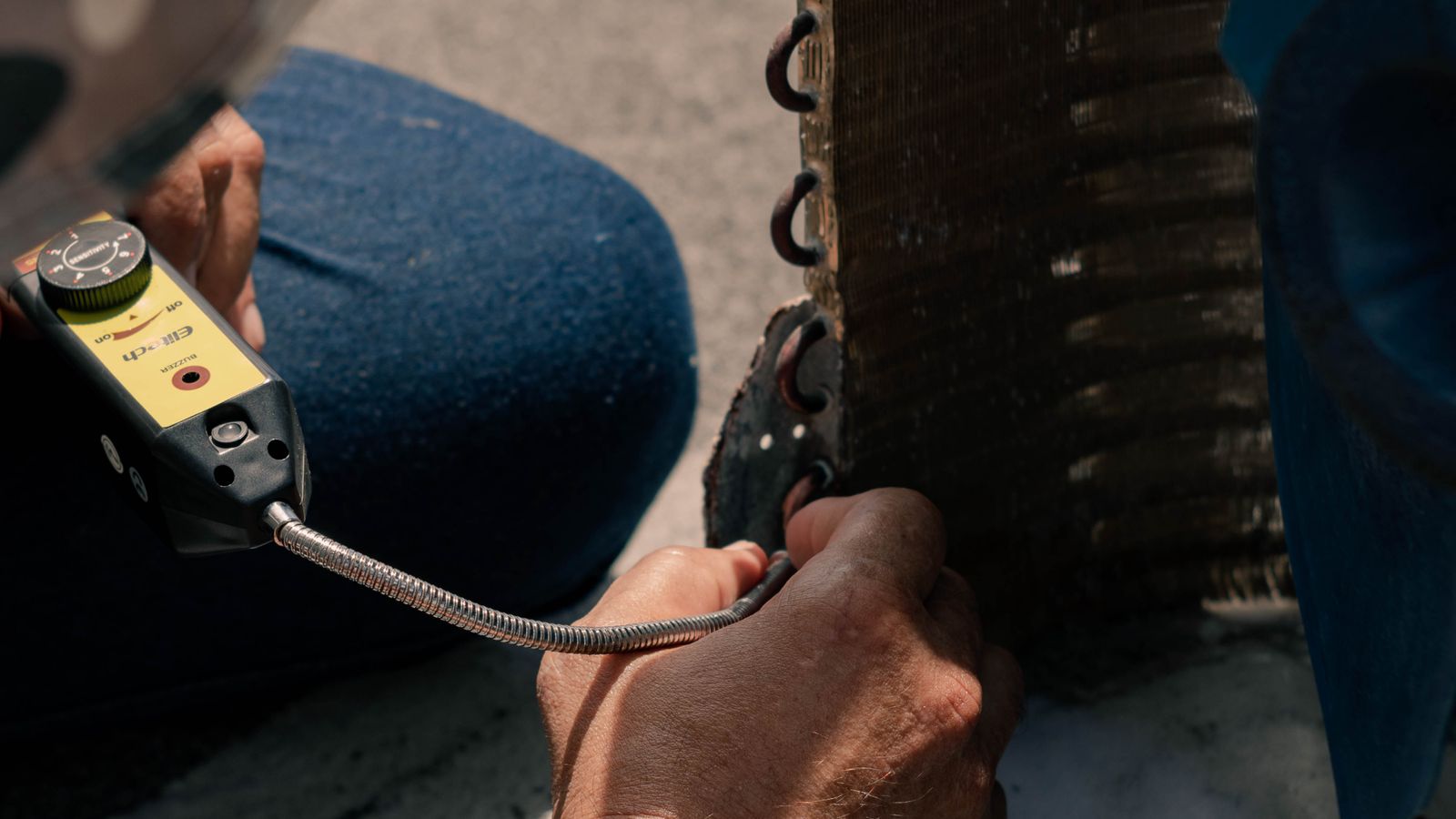
The safety half of an annual furnace inspection
Secondly, combustion. This is the part that is not about efficiency at all.
The federal guidance names the pre-winter items. It asks the contractor to “Check all gas (or oil) connections, gas pressure, burner combustion and heat exchanger.”
Then it explains why. Faulty gas connections, a dirty burner or a cracked heat exchanger “can cause the system to operate less safely and efficiently.”
In practice the heat exchanger is why the visit matters. A crack lets combustion gases reach the air you breathe. Nothing on the thermostat reports it.
Therefore carbon monoxide sits behind the whole exercise. TSSA calls it “a leading cause of accidental poisoning in Ontario.”
Above all, the regulator is encouraging about the outcome. It adds that “Most, if not all of these incidents, are preventable.”
| Checked | Why it is on the list |
|---|---|
| Gas connections and pressure | Safety, and correct firing rate |
| Burner combustion | A dirty burner runs less safely |
| Heat exchanger | A crack cannot be seen from outside |
| Electrical connections | Tightened, with voltage and current measured |
| Blower components | Cleaned and adjusted for airflow |
| Condensate drain | A plug causes water damage indoors |
The efficiency half
Thirdly, the running cost. The same visit covers the parts that quietly waste energy.
Electrical work comes first. The contractor should “Tighten all electrical connections and measure voltage and current on motors.”
Then the moving parts. The instruction is short: “Lubricate all moving parts.”
The reason follows. “Without lubrication, friction in motors can increase the amount of energy your HVAC system uses.”
Next, airflow. The visit should “Clean and adjust blower components to provide sufficient airflow and greater comfort levels.”
Besides the blower, the drain matters more than it looks. A plugged drain “can cause water damage in the house and affect indoor humidity levels.”
What stays yours between visits
Next, the homeowner’s half. It is short, and it is the half that decides how the system ages.
Filters are the whole job. Natural Resources Canada tells homeowners to “inspect, clean, or change air filters regularly.”
Then the interval comes from the manual, not a rule of thumb. The guidance says to “Consult your owner’s manual or manufacturer’s guidance.”
Meanwhile the cost of skipping it is direct. A dirty filter “can increase energy costs and damage your system.”
In practice you can ask to be shown. The federal guidance notes that “Your contractor can show you how to do this.”
Our guide to the furnace filter MERV rating covers picking one that filters without starving the blower.
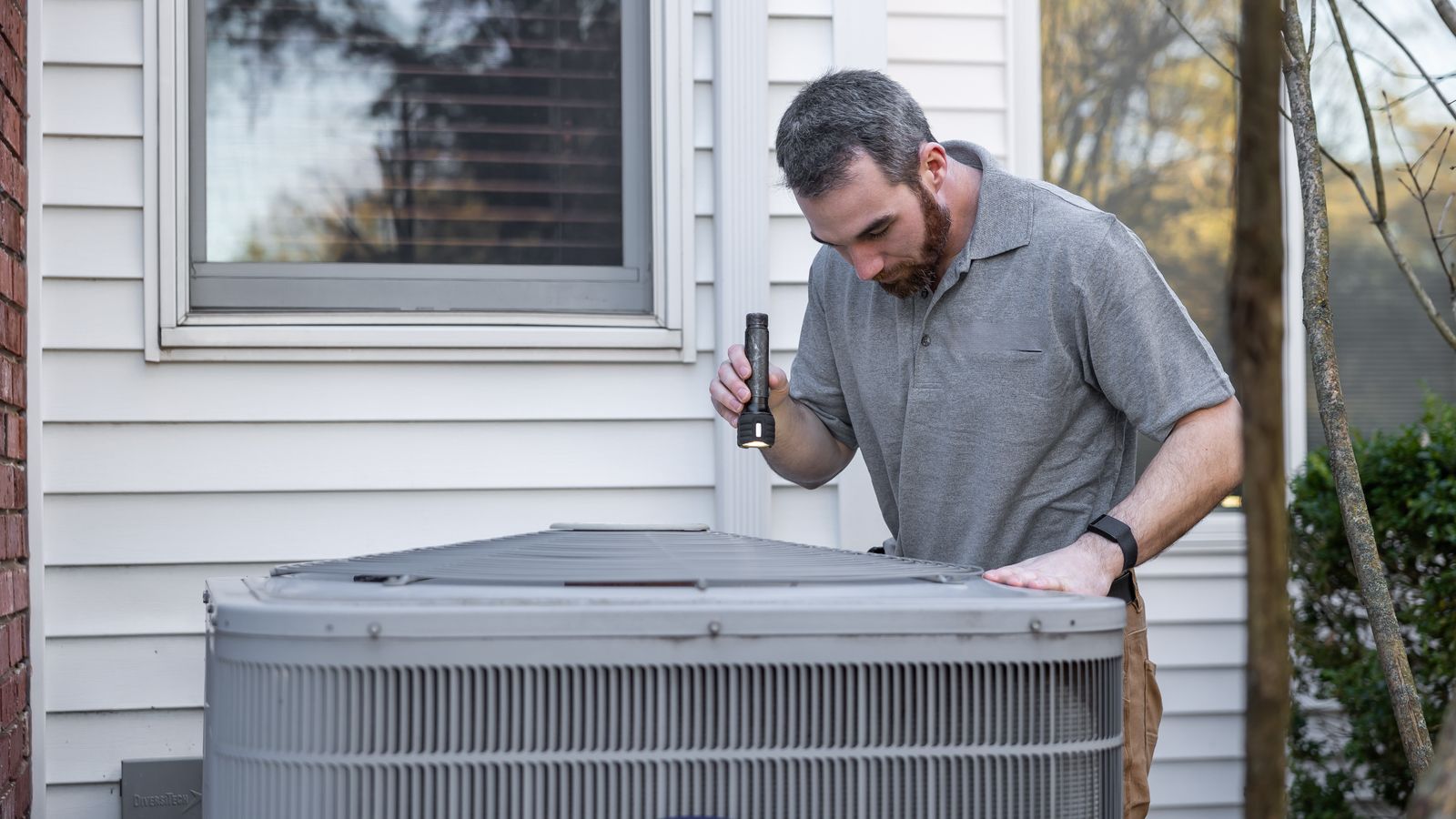
Does the visit pay for itself
However, the fair question is whether a yearly visit earns its keep.
The scale helps answer it. Natural Resources Canada puts space heating at 61 percent of home energy use. It calls that “the most potential for cutting your energy bill.”
So a system running below its rating is wasting the largest line on the bill. Small losses compound across a long Ontario winter.
Then there is the controls side. The contractor “will check to make sure the unit starts, runs, and shuts off properly.” Intermittent faults surface there.
In practice that is the fault worth catching. A furnace that fails in January usually gave a sign in November.
Our guide to furnace short cycling covers one of those early signs.
What an annual furnace inspection means around Stayner
Firstly, the geography. Stayner sits in Clearview Township between Barrie and Georgian Bay, inside the snow belt.
In practice that means long run hours and buried vent terminals. A high efficiency furnace that cannot breathe will lock out, usually at night.
Besides the weather, the housing mix is broad. Older village homes and newer subdivisions share the same postal code. They fail in different ways.
Then there is the rural factor. Properties outside the village may run propane or oil. Those appliances sit on the same yearly list.
We serve Stayner, Clearview and the wider Simcoe County area from our Burton Avenue shop.
Booking it at the right time
Finally, the calendar. The word pre-season is doing real work in that guidance.
So the ideal booking is early autumn, before the first cold snap fills the schedule. A furnace checked in September gets a calm appointment.
However, a late inspection still beats none. If the furnace has not been looked at this year, November is better than February.
Meanwhile it is worth naming every appliance when you book. Our guide to the water heater chimney liner covers venting that often shares a chimney.
If nothing has been serviced in a while, an annual maintenance visit is the place to start.
Talk to Aire One Barrie
We work to the federal check list rather than a quick look, and we cover every fuel appliance on the same visit. We serve Stayner and the rest of Simcoe County.
- 24/7 emergency service, including weekends and holidays
- Gas connections, pressure, burner combustion and heat exchanger checked
- Electrical connections tightened, motors measured, blower adjusted
- Bonded, factory trained and licensed technicians
Frequently asked questions
How often does a furnace need an inspection?
Once a year. Natural Resources Canada advises hiring a licensed and insured contractor for annual pre-season check-ups, with the heating check in the fall. Ontario’s regulator asks for every fuel-burning appliance, not only the furnace.
What does an annual furnace inspection include?
The federal guidance names the pre-winter items: all gas or oil connections, gas pressure, burner combustion and the heat exchanger. The visit also tightens electrical connections, measures motors, lubricates moving parts and adjusts the blower.
Is it worth the money?
Space heating is 61 percent of home energy use. Natural Resources Canada describes that as the most potential for cutting your energy bill. So a system running below its rating wastes the largest line.
What should I do between visits?
Filters. The guidance is to inspect, clean or change them regularly. Take the interval from your owner’s manual rather than a rule of thumb. A dirty filter can increase energy costs and damage the system.
Does the water heater need checking too?
Yes. TSSA advises having all fuel-burning appliances inspected annually through a registered fuel contractor. That covers the water heater and any gas fireplace, not only the furnace.
Sources
- Natural Resources Canada, Guide to maintaining your home heating and cooling system — hiring a licensed and insured contractor for annual pre-season check-ups, scheduling heating checks in the fall, checking all gas or oil connections, gas pressure, burner combustion and heat exchanger, faulty connections and a cracked heat exchanger causing the system to operate less safely and efficiently, tightening electrical connections and measuring voltage and current on motors, lubricating all moving parts, friction increasing energy use without lubrication, cleaning and adjusting blower components, a plugged drain causing water damage and affecting indoor humidity, inspecting, cleaning or changing filters regularly, consulting the owner’s manual for the interval, a dirty filter increasing energy costs and damaging the system, the contractor showing you how, and checking that the unit starts, runs and shuts off properly.
- Natural Resources Canada, ENERGY STAR residential furnaces — space heating accounting for 61 percent of home energy use and offering the most potential for cutting your energy bill.
- Technical Standards and Safety Authority, It’s Not Just Your Furnace: Be in the Know When it Comes to CO — having all fuel-burning appliances inspected annually through a TSSA registered fuel contractor, carbon monoxide as a leading cause of accidental poisoning in Ontario, and most or all such incidents being preventable.