Lukewarm air is not a fault. It is how they work.
A heat pump delivers cooler air than a furnace by design, so the first job is telling normal from broken before anybody is called.


 Licensed technicians
Quick answer
A heat pump not working in winter is usually the thermostat mode, a clogged filter or a blocked outdoor unit, and all three are yours to check. Carrier notes that air “coming out feels lukewarm (90-100°F), this is normal for heat pumps.” Therefore cool supply air is not the fault, but ice thicker than a quarter inch is.
Key takeaways
- Firstly, lukewarm supply air is normal, so judge the room instead.
- A thermostat left on cool or constant fan explains a lot of calls.
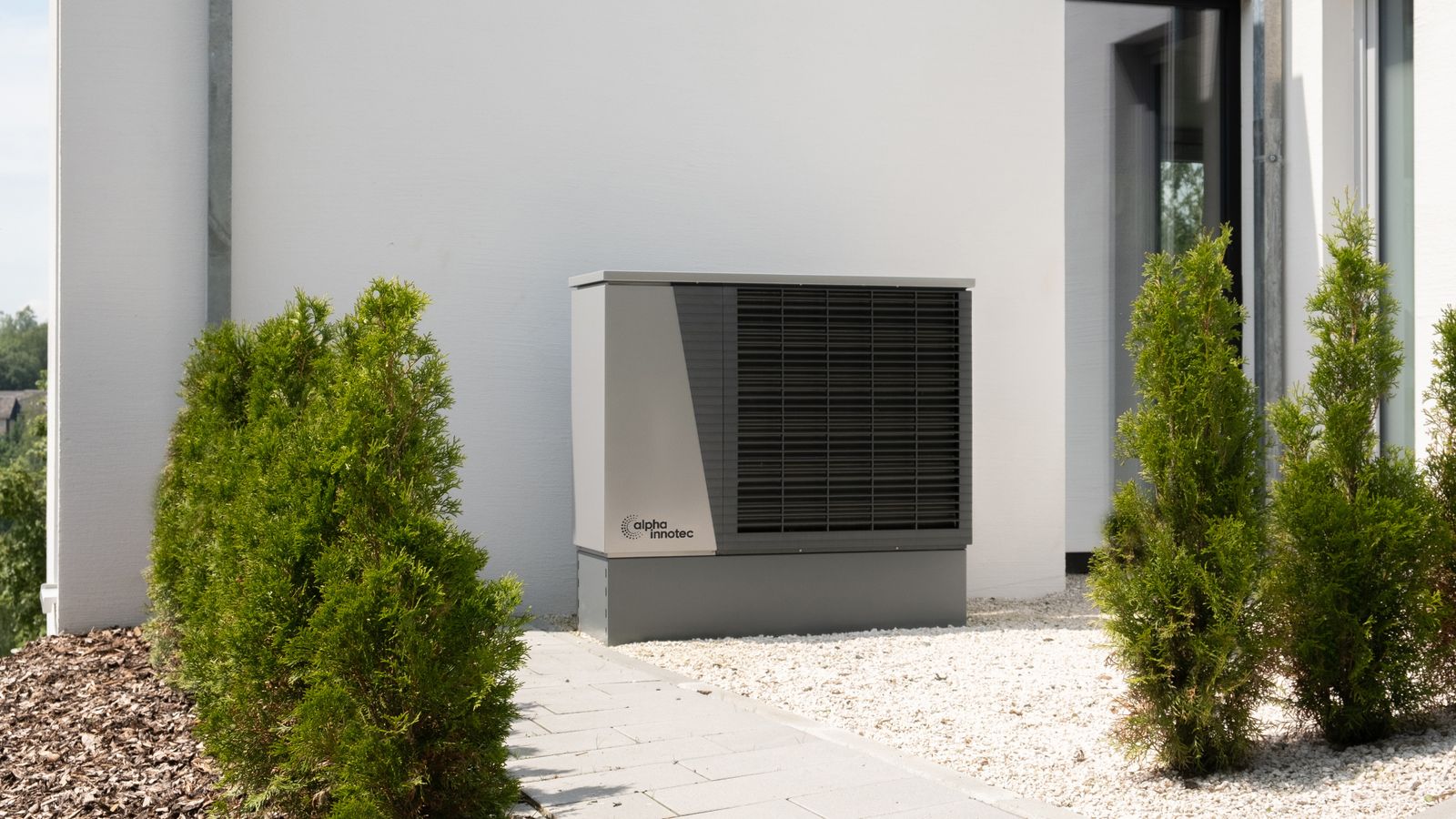
- Keep 24 inches clear around the outdoor unit.
- Light frost clears on its own, thick ice does not.
- Above all, heating but not cooling points at the reversing valve.
Telling normal from broken
First, expectations. A heat pump moves heat rather than making it, so the air feels different.
Carrier states the number directly. If the air “coming out feels lukewarm (90-100°F), this is normal for heat pumps.”
Consequently a hand at the register tells you very little. A furnace delivers hotter air, and that comparison misleads people every winter.
In practice the real test is the room. If the thermostat reaches its setting in a reasonable time, the machine is doing its job.
Then the cycle length changes too. A heat pump runs long and steady by design, which reads as “always on” to anyone used to a furnace.
Our guide to a furnace that runs constantly covers that same misreading on the heating side.
The three checks that are yours
Secondly, the free checks. Carrier treats these as suitable homeowner tasks.
Mode comes first. Carrier points out that a thermostat set to “cool” or “constant fan” produces exactly the cold air complaint people call about.
Then the filter. A clogged one “restricts airflow, potentially causing the system to shut down or blow lukewarm air.”
Next, the breaker. Both units have one, and Carrier’s instruction is to “Reset them if tripped. If they keep tripping, call a professional.”
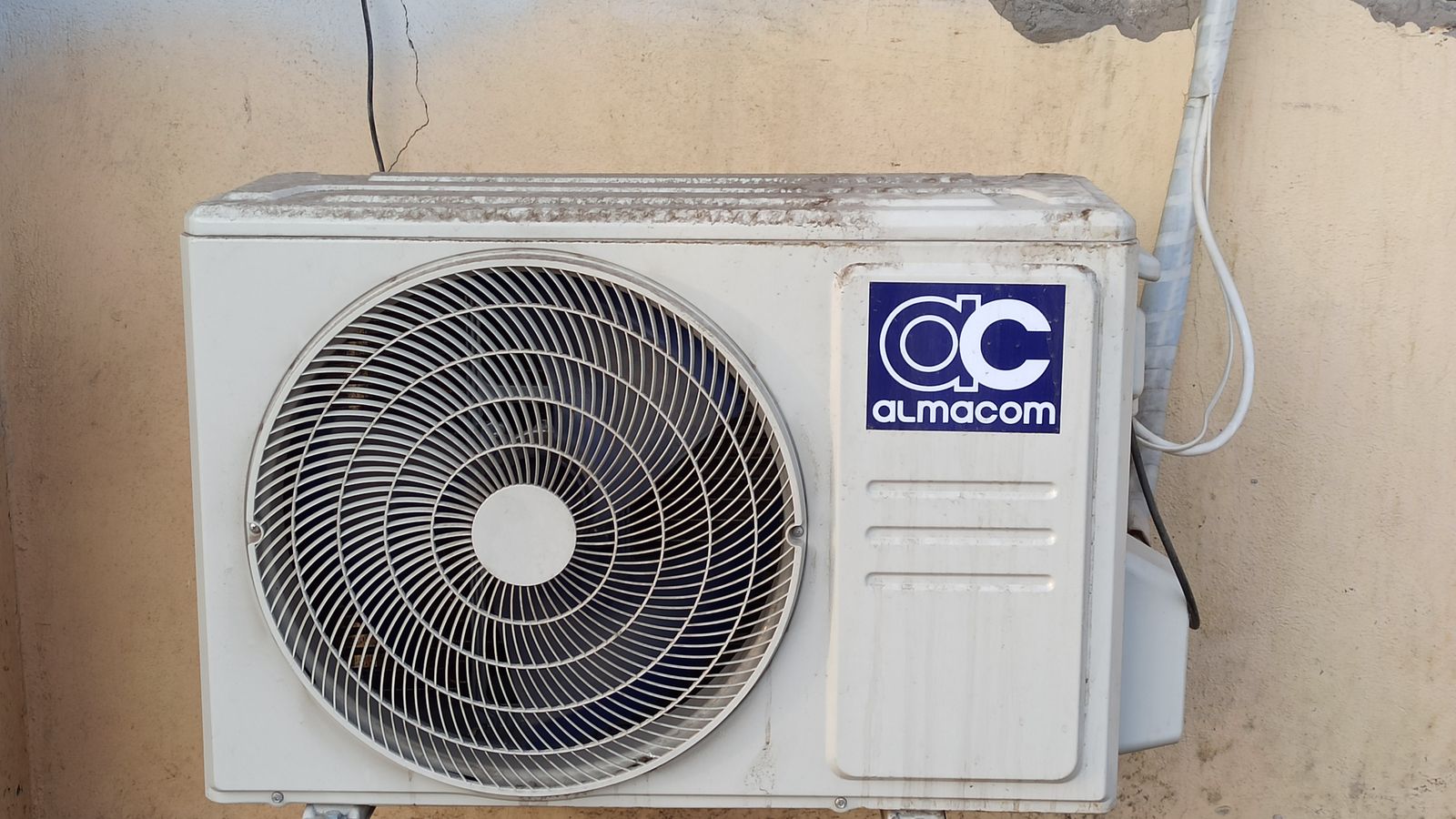
Finally, the outdoor unit. Carrier recommends you “maintain at least 24 inches of clear space around the outdoor unit,” following your model’s clearance requirements.
Moreover debris matters as much as snow. The same guidance notes that “Debris like leaves or cottonwood can clog the outdoor coil.”
| What you see | What it points to |
|---|---|
| Lukewarm air, room reaching setpoint | Normal operation |
| Cold air at the registers | Thermostat on cool or constant fan |
| Weak airflow, long run times | Clogged filter |
| Light frost that clears | Normal defrost |
| Ice over a quarter inch, or ice that stays | Not normal, call |
| Cools fine but will not heat | Reversing valve |
Ice, and the line between normal and not
Thirdly, frost. Every heat pump frosts in winter, and every heat pump clears it.
Carrier draws the line by thickness. It says “ice buildup thicker than 1/4 inch or ice that remains after defrost is not normal.”
So a light coating that disappears during a defrost cycle is the machine working. Steam rising off the outdoor unit is part of that, not a fire.
However, a solid block is a different story. Ice that survives a defrost points at the defrost control, the sensor or airflow.
Our guide to the heat pump defrost cycle explains what the unit is doing while it looks like it has stopped.
Above all, never chip ice off a coil. The fins and the refrigerant tubing sit directly behind it.
When a heat pump not working needs a technician
Next, the parts you cannot test from the yard.
Refrigerant is the first. Carrier links low charge to a system that cannot keep up with demand, or a frozen coil, and says “A Carrier dealer can check the charge and repair leaks.”
Then the reversing valve. Carrier describes the signature plainly: if you have “a heat pump not heating, but it works perfectly in cooling mode,” that valve may be stuck.
In practice that symptom is unusually useful. A machine that cools well and heats badly has narrowed the fault for you.
Besides those, the federal guidance covers the charge question too. Natural Resources Canada notes that “Too much or too little refrigerant will make your system less efficient.”
Therefore Carrier draws the line where you would expect. “Complex issues involving refrigerants or electrical components require a professional.”
Emergency heat is a crutch, not a fix
Meanwhile there is a button that makes the cold go away and the bill go up.
Carrier describes the option directly. You “can switch to ’emergency heat’ on your thermostat to use this supplemental source.”
However, the warning comes with it. Carrier says to use it sparingly, because it can raise electric bills.
So treat it as a bridge to the service call rather than a setting for the week. It is resistance heat, which is the most expensive way to warm a house.
Our guide to emergency heat on a heat pump covers what that switch actually does.
In short, use it, then book the visit.
What a heat pump not working means around Bradford
Firstly, the setting. Bradford sits at the south end of Simcoe County, on the edge of the Holland Marsh.
In practice that is open, flat, windy ground. Drifting snow piles against anything standing in it, including an outdoor unit.
Consequently clearance is the local issue. The 24 inches Carrier asks for disappears quickly beside a driveway that gets shovelled toward the house.
Besides the drifting, the housing is newer than the county average, so heat pumps are more common here than in older villages.
We serve Bradford and the wider Simcoe County area, with 24/7 emergency service through the winter.
Keeping it out of trouble
Finally, prevention. Most reports of a heat pump not working in winter trace back to two habits.
So clear the unit after every storm. Snow against the coil starves it, and a starved coil ices.
Then change the filter on the manual’s schedule. Our guide to the furnace filter MERV rating covers choosing one that does not strangle airflow.
Similarly, the yearly visit catches what you cannot. Our guide to the annual furnace inspection covers that service, which applies to heat pumps as well.
If the unit sits iced solid, treat the heat pump not working as a service call rather than another reset.
Talk to Aire One Barrie
We check defrost operation, charge and the reversing valve rather than blaming the weather. We serve Bradford and the rest of Simcoe County.
- 24/7 emergency service, including weekends and holidays
- Defrost cycle, charge and reversing valve tested
- Auxiliary heat staging checked so the backup is not running all winter
- Bonded, factory trained and licensed technicians
Frequently asked questions
Why does my heat pump blow cool air?
Often because that is normal. Carrier says air coming out at 90 to 100 degrees Fahrenheit is normal for heat pumps, which feels cool against skin. Judge the room temperature rather than the register.
My heat pump is covered in ice. Is that a problem?
It depends on thickness. Carrier says ice thicker than a quarter inch, or ice that remains after a defrost cycle, is not normal. A light frost that clears on its own is the system working.
What can I check before calling?
Three things. Confirm the thermostat is not on cool or constant fan, check the filter for clogging, and keep at least 24 inches of clear space around the outdoor unit. Reset a tripped breaker once.
It cools fine in summer but will not heat. Why?
That pattern points at the reversing valve. Carrier describes it as a heat pump not heating while it works perfectly in cooling mode, and that is a repair for a technician.
Should I just run emergency heat?
Only as a bridge. Carrier says you can switch to emergency heat to use the supplemental source, but warns to use it sparingly because it can raise electric bills. Book the service call rather than leaving it on.
Sources
- Carrier, Heat Pump Not Heating? Here’s How to Troubleshoot — lukewarm air at 90 to 100 degrees Fahrenheit being normal, a thermostat set to cool or constant fan producing cold air, a clogged filter restricting airflow and causing shutdown or lukewarm air, resetting tripped breakers once and calling if they keep tripping, maintaining at least 24 inches of clear space around the outdoor unit, debris such as leaves or cottonwood clogging the outdoor coil, ice thicker than a quarter inch or ice remaining after defrost not being normal, a dealer checking the charge and repairing leaks, a stuck reversing valve where the unit heats badly but cools perfectly, switching to emergency heat sparingly because it can raise electric bills, and complex refrigerant or electrical issues requiring a professional.
- Natural Resources Canada, Guide to maintaining your home heating and cooling system — annual pre-season check-ups by a licensed and insured contractor covering the heat pump, and too much or too little refrigerant making the system less efficient.