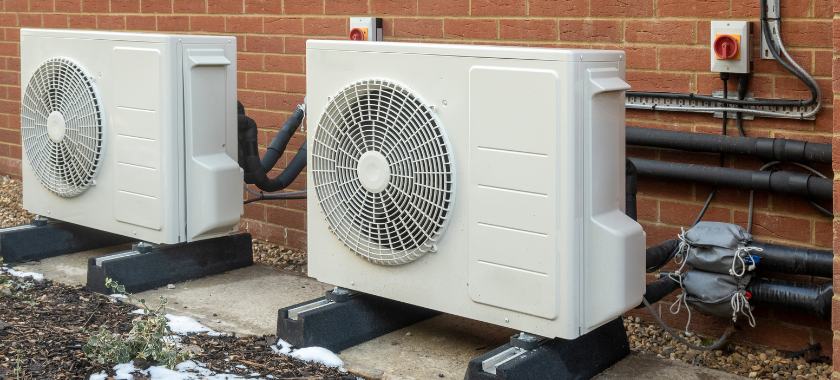
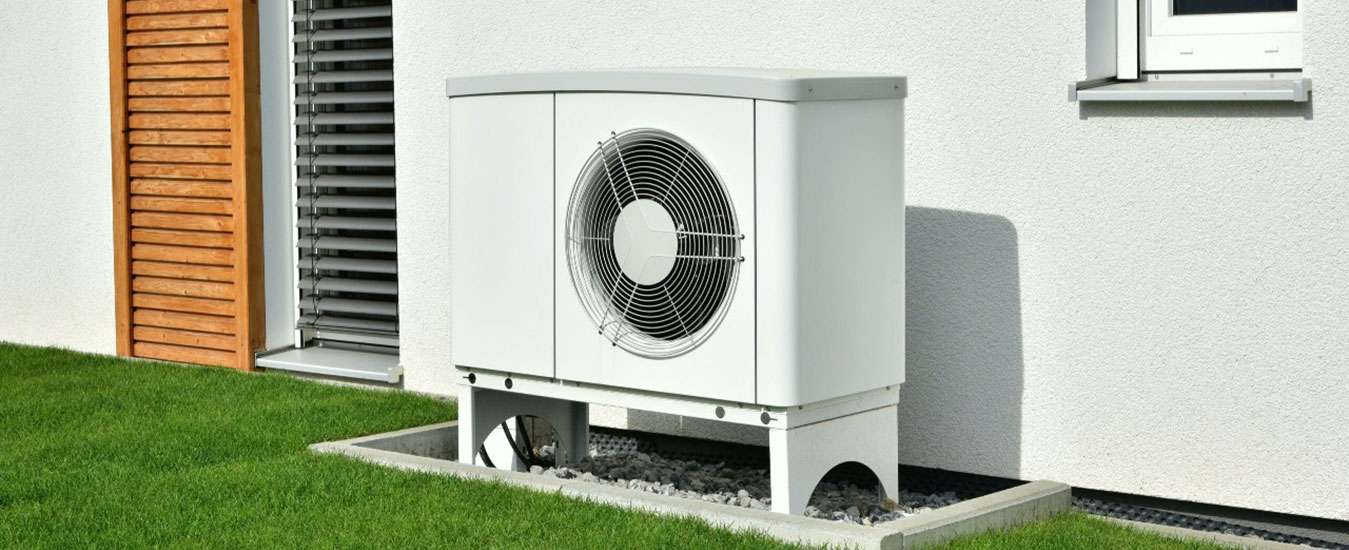
Ice on the outdoor unit is usually the system working, not failing.
The heat pump defrost cycle looks exactly like a breakdown: frost, steam, cold air from the vents. Here is how to tell normal from a real problem.


 100% satisfaction guarantee
Quick answer
The heat pump defrost cycle is a built-in routine that melts frost off the outdoor coil. The unit briefly reverses, sending hot refrigerant outside, and the outdoor fan stops. Frost on the coil is normal in winter. Thick ice that never clears is not.
Key takeaways
- Frost forms because moisture in the air freezes on a coil that is near or below freezing. It is physics, not a fault.
- During defrost the system cools the air in your ducts, which is why cold air can come from the vents for a few minutes.
- Steam rising off the unit afterwards is simply the melted frost evaporating. That is the cycle working.
- Defrost intervals are typically 30, 60 or 90 minutes on timer-based controls; smarter controls defrost only on demand.
- Call someone when ice encases the unit, when it never clears, or when the unit sits in standing water or buried snow.
Why does a heat pump ice up in the first place?
Natural Resources Canada explains it simply. When a heat pump is heating and outdoor temperatures fall near or below freezing, moisture in the air condenses on the outdoor coil and freezes there. How much frost forms depends on the outdoor temperature and how much moisture the air is carrying.
That frost is a problem for the equipment, because it blocks heat transfer at the coil. The heat pump cannot pull heat out of air it cannot touch. So the frost has to come off periodically, and the manufacturer builds that in rather than leaving it to you.
What happens during a heat pump defrost cycle?
The system runs briefly in reverse. A reversing valve sends hot refrigerant gas out to the outdoor coil, which melts the frost. The outdoor fan shuts off at the same time, so the unit is not blowing cold air across a coil it is trying to warm. Indoors, the system is cooling the duct air rather than heating it.
That last part explains the complaint we hear most. The vents go cool for a few minutes in the middle of a cold evening, and it feels like the furnace has quit. It has not. Many systems bring in supplementary heat during this window to cover the gap.

How often should the defrost cycle run?
It depends on which control your unit uses, and the difference matters for your energy bill. Demand-frost controls monitor airflow, refrigerant pressure, temperature and coil pressure differential, then defrost only when frost has actually built up. Time-temperature controls use a timer or a coil sensor and typically cycle every 30, 60 or 90 minutes.
Natural Resources Canada notes that unnecessary defrost cycles reduce the seasonal performance of the heat pump, which is why demand-based control is generally the more efficient approach. If you are choosing equipment, that specification is worth asking about.
When is the ice actually a problem?
Use one test: does it clear. A coat of frost that disappears after a defrost cycle and comes back later is the system doing its job. Ice that thickens over days, encases the fan, or returns within minutes of clearing points at something else. That earns a phone call.
| What you see | Normal | Worth a call |
|---|---|---|
| Light frost on the coil | Yes, in near-freezing damp weather | — |
| Steam rising from the unit | Yes, melted frost evaporating | — |
| Cool air from vents for a few minutes | Yes, during defrost | If it lasts far longer than a few minutes |
| Thick ice over the whole unit | — | Yes |
| Ice that never clears | — | Yes |
| Unit sitting in standing water or buried in snow | — | Yes, and clear the snow first |
| Ice forming from water dripping off the roof above | — | Yes, that is a drainage problem, not a heat pump fault |
Does a heat pump stop working in deep cold?
It has a floor, and the floor has moved. Natural Resources Canada puts the minimum operating temperature of newer air source heat pumps at roughly −15°C to −25°C, below which a supplementary heating system must carry the load. Capacity also falls gradually as the temperature drops, well before the unit reaches that limit.
This is why cold-climate models and a properly sized backup matter here rather than in milder parts of the country. Our guide on heat pumps in extreme climates explains the cold-weather ratings, and what to know before installing one covers sizing.
What we see in Wasaga Beach homes
Georgian Bay makes frost a bigger job here
Frost depends on moisture in the air, and a shoreline town hands the outdoor unit plenty of it. Wasaga Beach sits on Georgian Bay in the lake-effect snow belt. The conditions that frost a coil are the same ones that bring the snow, so a heat pump here runs more defrost cycles than one a half hour inland.
Drifting is the second factor. Wind off the open bay piles snow against anything standing in its way, and an outdoor unit is exactly that. A drifted-over unit cannot breathe, so it cannot shed frost properly even when the defrost cycle runs correctly.
The third is seasonal properties. A good share of homes along this stretch are cottages or part-time residences. A heat pump at a house nobody has visited since November can ice up badly before anyone notices. If a property sits empty through winter, somebody should lay eyes on the outdoor unit after every significant storm.
Aire One Barrie serves Wasaga Beach, Barrie, Angus, Minesing, Midhurst and the rest of Simcoe County. The Wasaga Beach heating and cooling page has the full service list, and heat pump installation covers what we fit.
What can you safely check yourself?
Four things, all from outside the equipment. Clear snow and ice from around the outdoor unit so air can move through it. Check the thermostat reads heat, and sits above room temperature. Check the breaker. Move anything you stacked or stored against the unit over the summer.
Safety first
Never chip, hammer or pry ice off the coil. The fins and the refrigerant lines sit right behind it, and a puncture turns a defrost question into a refrigerant repair. Never pour hot water over the unit either. Clear the snow around it and let the defrost cycle do the coil.
Do not open the cabinet, touch refrigerant lines, or bypass a safety switch. Only a licensed technician may handle refrigerant. Ontario regulates that work.
If a carbon monoxide alarm sounds in a home with any fuel-burning backup heat: get everyone outside into fresh air and call 911 from outside. Ontario's carbon monoxide alarm rules changed in January 2026 and most homes now need more alarms than they have.
The short version
Frost on the coil, steam off the unit and a few cool minutes at the vents all point to the heat pump defrost cycle doing its job. Three things are different: ice that never clears, a unit buried in drifted snow, and standing water underneath. Those earn a phone call.
Talk to Aire One Barrie
Licensed technicians, free detailed estimates with the price before work starts, and 24/7 emergency service across Wasaga Beach and Simcoe County. Heat pumps, furnaces, boilers, air conditioners, water heaters and indoor air quality.
- Carrier Factory Authorized Dealer — Comfort, Performance and Infinity series
- Rent or buy options on furnaces, air conditioners and water heaters
- 100% satisfaction guarantee
Frequently asked questions
Is it normal for a heat pump to be covered in frost in winter?
A light layer of frost on the outdoor coil is normal. Natural Resources Canada explains that when the heat pump is heating and outdoor temperatures fall near or below freezing, moisture in the air condenses and freezes on the coil. The unit clears it on a defrost cycle. What is not normal is thick ice that encases the unit and does not clear.
How often should a heat pump go into defrost?
It depends on the control. Demand-frost controls watch airflow, refrigerant pressure, temperature and coil pressure differential, and defrost only when needed. Time-temperature controls run on a timer or coil sensor, typically cycling every 30, 60 or 90 minutes. Natural Resources Canada notes that unnecessary defrost cycles reduce seasonal performance.
Why does cold air come out of my vents when the heat pump is defrosting?
Because the system is briefly running backwards. During defrost the heat pump sends hot refrigerant to the outdoor coil to melt the frost. That means it cools the air in the ductwork instead of heating it. Many systems bring in supplementary heat during this period, and it ends in a few minutes.
Why is my heat pump steaming?
Steam or vapour rising off the outdoor unit during or just after a defrost cycle is melted frost evaporating. It looks alarming and is usually the clearest visible sign that defrost is working as designed.
At what temperature does a heat pump stop working?
Most air source heat pumps have a minimum operating temperature. Natural Resources Canada puts that range at roughly -15°C to -25°C for newer models, below which a supplementary heating system has to carry the load. Capacity also drops gradually as the temperature falls, long before it reaches that floor.
Sources
- Natural Resources Canada — Heating and cooling with a heat pump (defrost cycles and cold weather operation, checked October 19, 2026)
- Technical Standards and Safety Authority — Find a registered fuels contractor
- Technical Standards and Safety Authority — Ontario Fire Code CO alarm requirements
- Save on Energy — Home Renovation Savings Program