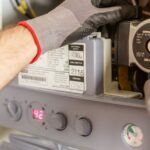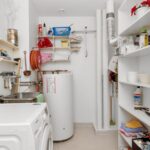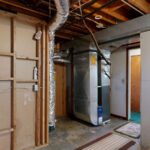
It is a fuel appliance, not a piece of furniture.
Most people book the furnace every year and never think about the fireplace. Ontario’s regulator counts both the same way, and so does carbon monoxide.


 Licensed technicians
Quick answer
Gas fireplace maintenance is the same yearly service your furnace gets, applied to an appliance most households forget. Ontario’s Technical Standards and Safety Authority advises having every fuel-burning appliance inspected each year by a registered contractor. Therefore the fireplace counts, and so does the water heater, because all of them produce carbon monoxide when something goes wrong.
Key takeaways
- Firstly, a typical Ontario home has four to six fuel-burning appliances.
- Around 65 percent of carbon monoxide incidents happen in homes.
- The regulator says every fuel appliance wants a yearly inspection.
- Relighting follows the manufacturer’s label, nothing else.
- Above all, gas smell means leave the house first and call from outside.
Why the fireplace gets forgotten
First, the habit. The furnace runs every winter day, so it stays on the mental list.
By contrast, a fireplace runs on evenings and holidays. Consequently it feels decorative, and decorative things do not get booked for service.
Ontario’s regulator counts differently. The Technical Standards and Safety Authority notes that homes here typically have “roughly 4-6 fuel-burning appliances that produce Carbon Monoxide (CO).”
In other words, the fireplace is on that list beside the furnace and the water heater. It burns fuel and it vents exhaust.
Therefore the same yearly discipline applies. Our guide to the furnace pilot light covers the equivalent part on the heating side.

What the numbers say
Secondly, the stakes. Carbon monoxide is not a rare hazard in Ontario.
TSSA describes it as “a leading cause of accidental poisoning in Ontario.” That is a strong phrase from a regulator.
The location matters too. The same source puts “approximately 65% of all CO incidents occurring in people’s homes.”
Meanwhile the encouraging half of the sentence often gets skipped. TSSA adds that “Most, if not all of these incidents, are preventable.”
So the risk is real and it responds to maintenance. That is an unusually clean argument for booking a service call.
What gas fireplace maintenance actually covers
Thirdly, the work. A proper visit is more than a vacuum and a wipe.
Firstly, the burner. Ports clog with dust and lint, and a partly blocked port changes the flame pattern.
Next, the ignition system. On an older unit that means a standing pilot and thermocouple, while newer units use electronic ignition instead.
Next the venting. A direct vent fireplace draws combustion air from outside through the same terminal it exhausts through, so an obstruction affects both halves at once.
Then the glass and the gasket. A direct vent unit is sealed, and a gasket that has gone hard stops it being sealed.
Finally the logs and embers. They look cosmetic, but placement changes where the flame sits, and a misplaced log produces soot.
| Checked | Why it matters |
|---|---|
| Burner ports | Blockage changes the flame pattern |
| Pilot or igniter | Proves the flame before gas flows |
| Vent terminal | Supplies air and removes exhaust |
| Glass and gasket | A sealed unit has to stay sealed |
| Log placement | Wrong position produces soot |
| CO alarms in the room | The only warning you get |
What you can do between visits
However, plenty is genuinely yours to handle. None of it involves opening the gas train.
So keep the area clear. Enbridge Gas advises homeowners to “Clean spills so they don’t clog pilot lights and outlets.”
Next, watch the flame. A steady blue flame with soft yellow tips is normal on a decorative appliance, but heavy yellow or lifting flame is not.
Relighting is allowed when the manufacturer says so. Enbridge Gas puts it simply: “If the pilot light or flame goes out, follow the manufacturer’s instructions for relighting.”
Those instructions sit on a label behind the lower panel. In practice the sequence differs between models, so the label wins over any video.
Beyond that, the work belongs to a registered contractor. The utility is explicit that “Enbridge Gas does not sell or repair furnaces, boilers or fireplaces.”
Warning signs worth acting on
Next, the symptoms. Several of them are visible from the sofa.
In practice, soot on the glass is the common one. A clean burning appliance should not blacken its own window within a season.
A flame that burns mostly yellow signals incomplete combustion. Our guide to a yellow furnace flame explains why colour carries that meaning.
Similarly, a sharp smell during operation, condensation on nearby windows when the fireplace runs, or a pilot that will not hold all point the same way.
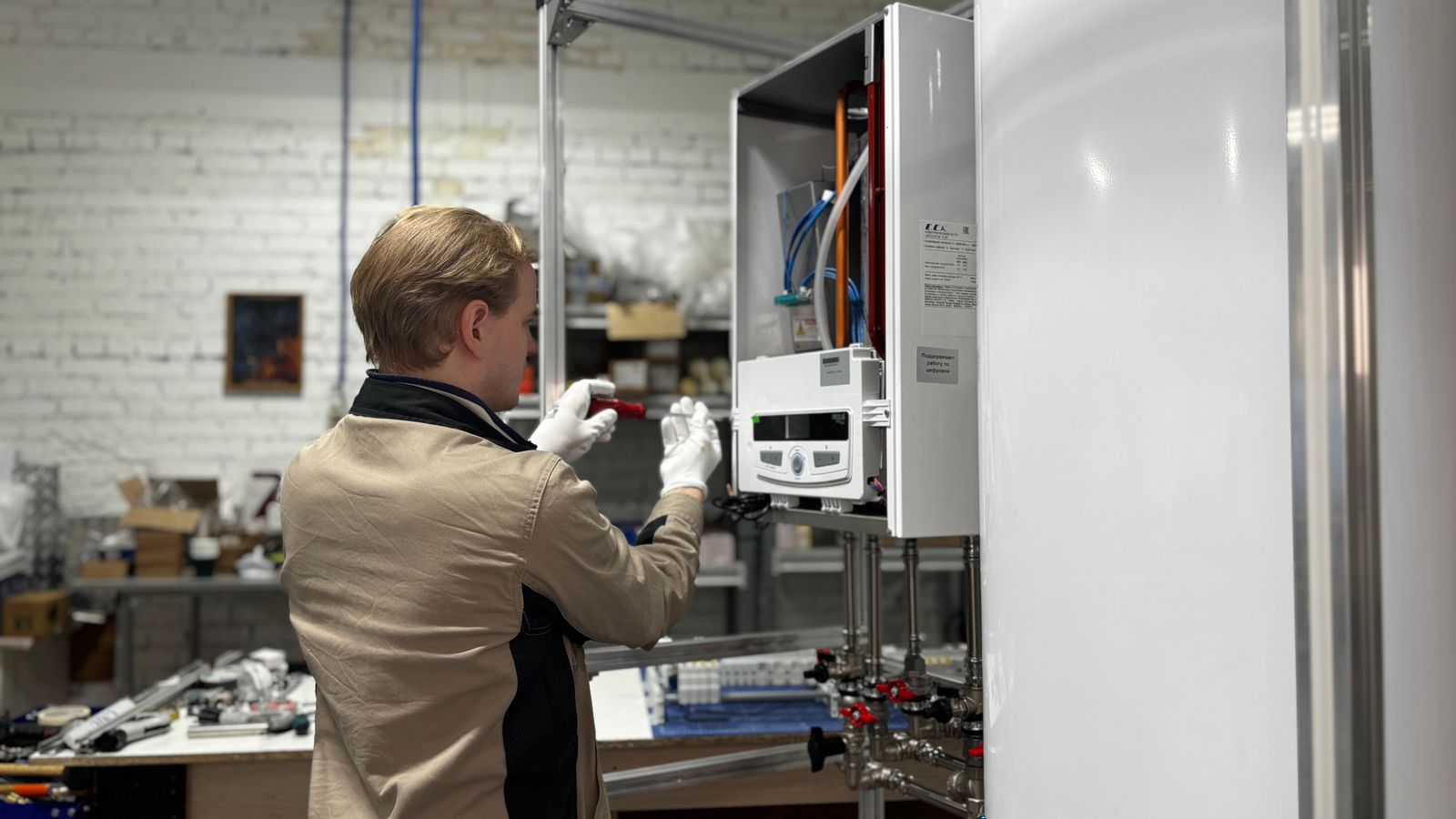
Above all, a sounding carbon monoxide alarm is not a fault to investigate. Leave, then call from outside.
If you smell gas, the order is the same. Our guide on what to do if you smell gas sets it out step by step.
Alarms, and where they belong
Meanwhile, detection is the backstop. Maintenance reduces the odds, and alarms cover the rest.
In short, TSSA recommends keeping certified carbon monoxide alarms in the home, testing them regularly, and replacing batteries and units to the manufacturer’s instructions.
Moreover, Ontario law sets where they go. Our guide to the carbon monoxide alarm rules covers the placement requirements.
One point gets missed in rooms with fireplaces. An alarm behind a closed door down the hall is not covering the room where the appliance actually burns.
Besides, alarms expire. The unit has a service life printed on it, and a ten year old alarm is decoration.
What gas fireplace maintenance means around Dalston
Dalston sits north of Barrie in Oro-Medonte, on a stretch of country roads rather than serviced streets.
In practice that means propane as often as natural gas. The appliance works the same way, but the fuel and the regulator settings differ.
It also means fireplaces earn their keep here. A rural property that loses power in a January storm leans on a fireplace that can run without the furnace blower.
Consequently gas fireplace maintenance matters more here, not less. An appliance you may depend on in an outage is a poor candidate for neglect.
We serve Dalston, Oro-Medonte and the wider Simcoe County area from our Barrie shop.
Booking it with everything else
Finally, the practical part. Nobody wants three separate visits.
In practice, the sensible approach is one autumn appointment covering the furnace, the water heater and the fireplace together. Therefore the whole set of fuel appliances gets looked at once.
That also matches the regulator’s advice. Gas fireplace maintenance sits in the same yearly routine as the furnace, not outside it.
Our maintenance page covers what a visit includes. Likewise, furnace repair handles the faults that cannot wait for a scheduled call.
Still, if the fireplace has never been serviced, start there. An appliance with no history is the one most likely to be hiding something.
Talk to Aire One Barrie
We service the fuel appliances in the house together rather than one at a time, and we check venting as well as burners. We serve Oro-Medonte and the rest of Simcoe County.
- 24/7 emergency service, including weekends and holidays
- Furnace, water heater and fireplace on one visit
- Venting and combustion checked, not just the burner
- Bonded, factory trained and licensed technicians
Frequently asked questions
How often does a gas fireplace need servicing?
Ontario’s Technical Standards and Safety Authority advises having every fuel-burning appliance inspected each year by a registered contractor. That includes the fireplace, not just the furnace and water heater.
Can I relight the pilot on my gas fireplace myself?
Enbridge Gas advises following the manufacturer’s instructions for relighting, and those instructions are on a label behind the lower panel. If it will not stay lit after one attempt, book a registered contractor instead.
Why is there soot on the fireplace glass?
Soot points at incomplete combustion, often from blocked burner ports or logs sitting in the wrong position. A clean burning appliance should not blacken its own glass within a season, so it is worth having looked at.
Do I need a carbon monoxide alarm near a gas fireplace?
Yes. TSSA recommends certified alarms in the home, tested regularly, with batteries and units replaced to the manufacturer’s instructions. An alarm down the hall behind a closed door is not covering the room where the appliance burns.
Is gas fireplace maintenance really necessary if it looks fine?
Carbon monoxide gives no warning you can see or smell, and TSSA calls it a leading cause of accidental poisoning in Ontario. The same source notes that most of these incidents are preventable, which is the argument for a yearly check.
Sources
- Technical Standards and Safety Authority, It’s Not Just Your Furnace: Be in the Know When it Comes to CO — four to six fuel-burning appliances in a typical Ontario home, carbon monoxide as a leading cause of accidental poisoning in Ontario, roughly 65 percent of incidents occurring in homes, most incidents being preventable, yearly inspection of every fuel-burning appliance by a registered contractor, and certified CO alarms tested and replaced to manufacturer instructions.
- Enbridge Gas, Appliance safety — following the manufacturer’s instructions for relighting a pilot, keeping spills from clogging pilot lights and outlets, and the utility not selling or repairing furnaces, boilers or fireplaces.