


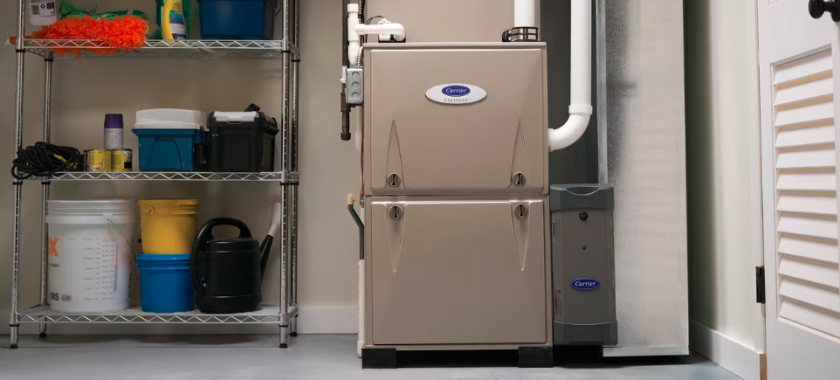
Every furnace has its own quiet soundtrack — the soft whoosh of the burners lighting, the steady hum of the blower, the gentle tick of metal expanding as warm air moves through the ducts. You stop hearing it after a while. That’s exactly why a new, unfamiliar noise grabs your attention: a bang from the basement, a high-pitched squeal, a rattle that wasn’t there last winter. Your furnace can’t talk, but it can absolutely tell you when something’s wrong — and the type of sound is often a surprisingly good clue about what’s going on inside.
Here in Barrie, where the heating season is long and demanding, it pays to know which noises are harmless and which are your furnace asking for help. Below, we decode the most common sounds and explain when it’s time to call for furnace repair in Barrie.
First, What Counts as “Normal”?
Not every sound is cause for alarm. A soft click when the furnace starts and stops, a low and consistent hum while it runs, and a brief whoosh as the burners ignite are all part of normal operation. What you’re listening for is a change — a noise that’s new, louder than usual, or repeating in a way it didn’t before. Trust your ears: if a sound makes you stop and think “that’s not right,” it’s worth paying attention to.
Decoding the Different Furnace Sounds
Banging or Booming
A loud bang right when the furnace fires up is one of the sounds you shouldn’t ignore. It’s often caused by delayed ignition — gas building up slightly before it lights, then igniting all at once with a small “boom.” It can also be dirty burners or a gas-flow issue. Because anything involving combustion deserves respect, persistent banging is worth a professional look sooner rather than later. Banging that comes from the ductwork instead is usually the metal expanding and contracting, which is less serious but can sometimes be adjusted.
Squealing or Screeching
A high-pitched squeal usually points to the blower motor — often a worn or slipping belt, or bearings that need lubrication or replacement. It’s the same principle as a squealing belt in a car: a warning that a part is wearing out. Catching it early is far cheaper than waiting for the blower to fail entirely and leave you without heat.
Rattling
Rattling tends to mean something has come loose. It could be as minor as a panel or screw that needs tightening, or as significant as a loose component inside the unit. Occasionally it’s a sign of a cracked heat exchanger, which is a serious safety concern. If tightening the obvious external panels doesn’t stop the rattle, have it checked.
Grinding
A harsh grinding sound is one to act on quickly. It typically means the blower motor bearings are failing and metal is grinding on metal. Continuing to run the furnace in this state can turn a repair into a full motor replacement, so it’s best to shut the system down and call a technician.
Clicking That Won’t Stop
A click or two at start-up is normal. Constant, repeated clicking — especially if the furnace isn’t actually lighting — often points to an ignition problem or a failing flame sensor. When the furnace keeps trying to ignite and can’t, you’ll usually get cold air instead of heat, so this one is worth diagnosing promptly.
Whistling
A whistling furnace is frequently an airflow story. The most common cause is a dirty, clogged filter forcing air through a restricted space — an easy and inexpensive fix. It can also be a gap or leak in the ductwork. Start by checking your filter; our guide on how often to change your furnace filter is a good place to begin.
Which Furnace Noises Are Urgent?
Some sounds can wait a day or two for a scheduled appointment; others shouldn’t wait at all. Treat these as reasons to shut the furnace off and call for help right away:
- Loud, repeated banging or booming on ignition
- Grinding metal-on-metal sounds
- Any noise paired with a burning or unusual smell
- Rattling you suspect is coming from inside the unit
If you ever smell gas (a rotten-egg odour) alongside any noise, don’t investigate the furnace yourself. Leave the house immediately without using light switches or electronics, and call your gas provider’s emergency line or 911 from outside. Keep a working carbon monoxide detector on every level of your home, since CO is odourless and colourless.
A Few Things to Check Before You Call
For the less urgent noises, a couple of quick checks are worth trying first:
- Replace a dirty furnace filter — a common cause of whistling and strained airflow
- Tighten any obviously loose external access panels
- Make sure vents and registers aren’t blocked by furniture or rugs
- Note when the noise happens (start-up, shut-down, or while running) to help your technician
If the sound persists after these steps — or if it was one of the urgent noises to begin with — it’s time to bring in a professional for furnace service in Barrie. A trained technician can pinpoint the source, fix it properly, and confirm your system is safe to run through the winter.
Prevention: Quieter Winters Start with Maintenance
Most alarming furnace noises don’t appear out of nowhere — they build from small issues that a seasonal tune-up would have caught. Regular furnace maintenance keeps your system running smoothly and quietly by:
- Tightening loose components before they start to rattle
- Lubricating and inspecting the blower motor to prevent squeals and grinding
- Cleaning burners so ignition stays smooth and quiet
- Replacing filters and checking airflow to stop whistling
- Catching safety issues like a cracked heat exchanger early
Hearing Something You Shouldn’t? Let’s Take a Listen
Strange furnace noises rarely fix themselves — and they’re often cheapest to solve when caught early. The certified team at Aire One Barrie can diagnose the sound, repair the cause, and get your home quiet and warm again. Available 24/7 for emergency furnace repair across Barrie and Simcoe County.
Call 705-733-1003
| Serving Barrie, Innisfil, Orillia, Wasaga Beach & Simcoe County | 24/7 Emergency Service
Frequently Asked Questions
Why is my furnace making a loud banging noise?
A loud bang when the furnace starts is often delayed ignition — gas builds up briefly before lighting, then ignites all at once. It can also stem from dirty burners. Banging from the ducts, on the other hand, is usually harmless expansion and contraction of the metal. Because ignition-related banging can be a safety issue, it’s best to have persistent booming inspected by a professional.
Is a squealing furnace dangerous?
Squealing is usually a blower motor issue — a worn belt or bearings that need attention. It’s not typically an immediate danger, but it is a sign a part is wearing out. Addressing it early prevents the blower from failing completely and leaving you without heat, and it’s a much cheaper fix than a full motor replacement.
Should I turn off my furnace if it’s making a grinding noise?
Yes. Grinding usually means metal is rubbing on metal, often from failing blower bearings. Continuing to run the furnace can cause more damage and turn a repair into a replacement. It’s best to shut the system down and call a technician to inspect it.
Can a dirty filter cause furnace noises?
It can. A clogged filter restricts airflow, which commonly causes a whistling sound and forces the furnace to work harder. Replacing a dirty filter is one of the easiest things to try first, and regular filter changes help prevent airflow-related noises and strain on the system.
Do you offer emergency furnace repair in Barrie?
Yes. Aire One Barrie provides 24/7 emergency furnace repair throughout Barrie and the surrounding Simcoe County communities. If your furnace is making an alarming noise or has stopped working, our certified technicians can respond quickly to diagnose and fix the problem.


