Four checks before you pick up the phone.
A furnace that will not start is often a switch, a breaker or a thermostat, and all three are free to check. The rest belongs to a technician.


 Licensed technicians
Quick answer
A furnace not turning on usually traces to one of four things you can check yourself: the thermostat mode and setting, the power switch on the unit, the breaker, and the air filter. Carrier advises setting the thermostat to heat with “the temperature setting is at least 3 to 5 degrees higher than the room temperature.” However, anything past those four checks belongs to a licensed technician.
Key takeaways
- Firstly, set the thermostat well above room temperature, not just above it.
- The furnace has its own switch, and it looks like a light switch.
- A clogged filter can shut the furnace down on its own limit.
- A breaker that trips again is a fault, not an inconvenience.
- Above all, if you smell gas, leave first and call from outside.
A furnace not turning on starts at the thermostat
First, the control. In practice, more no-heat calls end here than anywhere else.
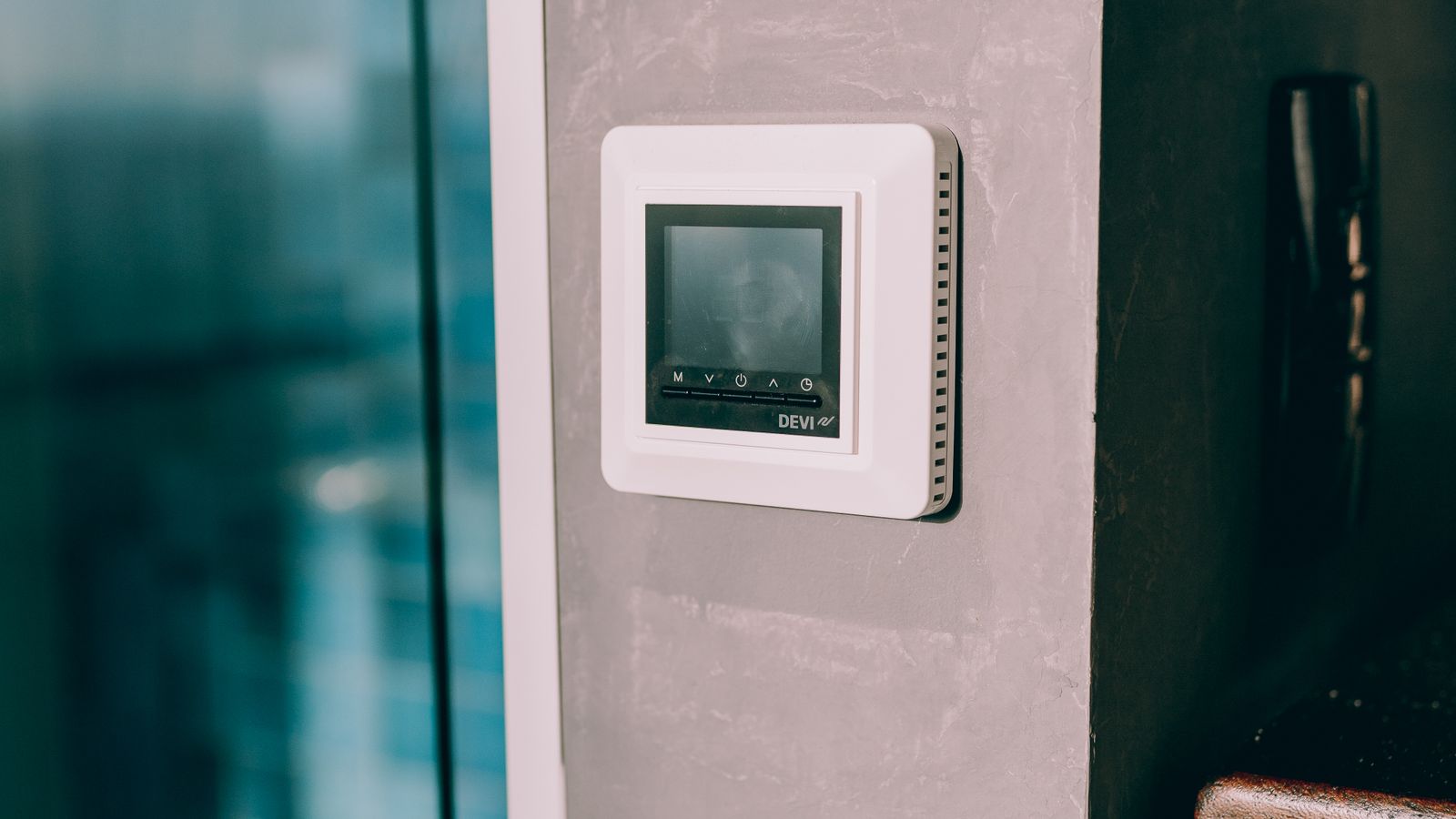
Carrier’s instruction is specific. “Ensure the thermostat is set to ‘heat’ and the temperature is set higher than the current room temperature.”
Then the margin matters. The same guidance asks for a setting “at least 3 to 5 degrees higher than the room temperature.”
In practice a one degree nudge may not close the contacts at all. The furnace is waiting for a call it never receives.
Moreover the thermostat itself can be the fault. Carrier notes it “may be due to dead batteries, loose wiring, or the unit needing to be replaced.”
Our guide to the thermostat C wire covers the power supply that keeps a smart thermostat alive.
The switch nobody knows about
Secondly, power. The furnace carries a disconnect switch of its own.
Carrier describes where to look. “Locate the furnace power switch, usually found on the side of the unit or on a nearby wall.”
Then the instruction is short. Carrier says to “Ensure it is in the ‘On’ position.”
In practice this switch looks exactly like a light switch. Consequently it gets flipped by anyone carrying boxes past it.
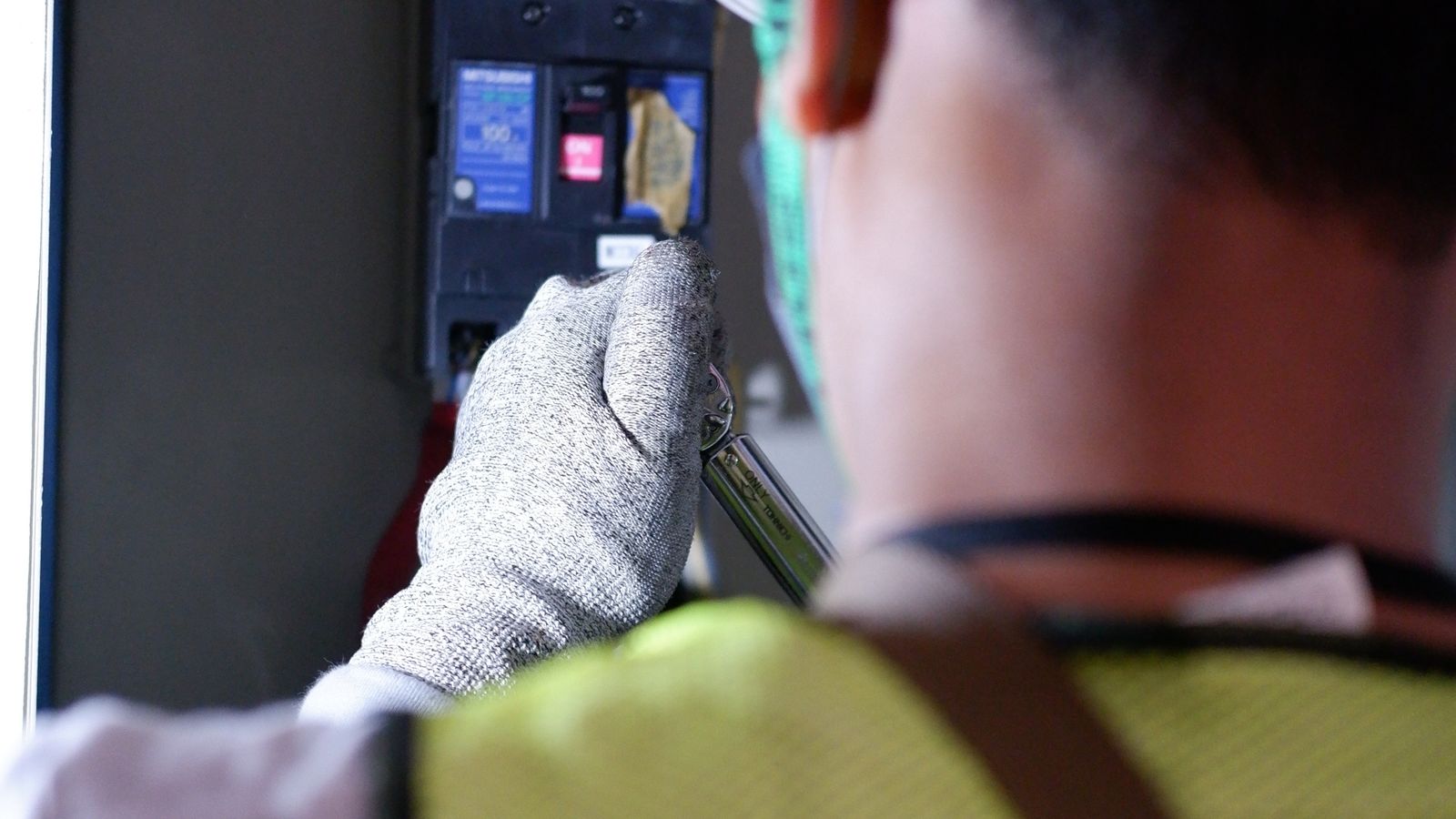
Next, the panel. Carrier says to “Find the breaker labeled ‘Furnace’ or ‘Heat'” and confirm the same thing there.
However, a breaker that trips again is reporting a fault. Reset it once, and if it goes a second time, stop and call.
| Check | What you are looking for |
|---|---|
| Thermostat mode | Set to heat, not cool or fan |
| Thermostat setting | 3 to 5 degrees above the room |
| Furnace switch | On, usually beside the unit |
| Breaker panel | Furnace or Heat breaker on |
| Air filter | Clean enough to see light through |
| Gas valve at the furnace | Open, handle in line with the pipe |
Airflow shuts a furnace down on purpose
Thirdly, the filter. This one surprises people because the furnace seems healthy.
In practice a loaded filter starves the heat exchanger of moving air. Carrier puts the result plainly: “This can cause the system to overheat and shut down automatically.”
So the furnace is not broken in that case. It is protecting itself through the high limit switch.
Then the pattern gives it away. A unit that fires, runs briefly and quits usually has an airflow problem rather than an ignition one.
Besides the filter, blocked registers do the same thing. Our guide to the cold air return covers the half of the duct system furniture tends to block.
Our guide to the furnace filter MERV rating explains how to filter well without choking the system.
Gas, ignition and the parts that are not yours
Next, fuel. Here the checking stops and the calling starts.
One check is still yours. Carrier says to “ensure the gas valve leading to the furnace is open.”
Beyond the house, the supply itself can fail. Carrier notes “there may be a disruption in the municipal gas supply.” Its instruction is to contact the utility immediately.
Then the ignition system. Whether a unit uses a pilot light or an electronic igniter, Carrier says that “if it cannot light the burner, the furnace will not cycle.”
Meanwhile a safety device can be doing its job. Carrier lists “a dirty flame sensor that shuts the gas valve for safety” among the causes.
Our guides to the furnace flame sensor and the furnace pilot light cover both of those parts.
When a furnace not turning on becomes urgent
However, two situations skip the checklist entirely.
Firstly, gas. If you smell it, leave the house and call from outside. Do not touch switches on the way out.
Our guide to what to do if you smell gas covers that sequence in full.
Secondly, noise. Carrier treats certain sounds as a stop sign: “Banging, grinding, or squealing sounds often indicate a motor or belt failure.”
Therefore a furnace that groans and then quits should stay off. Our guide to the furnace blower motor covers those sounds.
Above all, carbon monoxide is the reason none of this is casual. The Technical Standards and Safety Authority notes that a typical home has “roughly 4-6 fuel-burning appliances that produce Carbon Monoxide (CO).”
What a technician does that you cannot
Meanwhile the diagnostic work needs instruments rather than guesses.
Carrier draws the line clearly. “If basic troubleshooting fails, a professional HVAC contractor should inspect the system.”
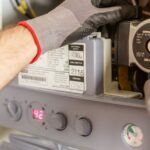
In practice that means reading the control board’s fault codes, which tell the real story. A flashing light on the board is the furnace explaining itself.
Then come the measurements. Gas pressure, temperature rise and current draw separate a tired blower from a failing board.
Besides the repair, the visit catches what the repair missed. A cracked heat exchanger is found during inspection, never during a reset.
What this means around Collingwood
Firstly, the geography. Collingwood sits on Georgian Bay at the foot of the escarpment, and the snow belt does the rest.
In practice that means outdoor venting gets buried. A high efficiency furnace breathes through plastic pipe on an exterior wall. Both ends have to stay clear.
Our guide to a furnace vent blocked by snow covers what to clear and what never to do.
Besides the weather, occupancy matters here. A property used at weekends can sit cold for days. A furnace that failed on Tuesday then surfaces on Friday night.
We serve Collingwood and the wider Simcoe County area, with 24/7 emergency service through the winter.
Talk to Aire One Barrie
We read the board codes and measure the system rather than resetting it and leaving. We serve Collingwood and the rest of Simcoe County.
- 24/7 emergency service, including weekends and holidays
- Fault codes read, gas pressure and temperature rise measured
- Heat exchanger and venting checked on the same visit
- Bonded, factory trained and licensed technicians
Frequently asked questions
Why is my furnace not turning on at all?
Start with the four free checks. Carrier advises setting the thermostat to heat at least 3 to 5 degrees above room temperature. Then confirm the furnace power switch is on, check the breaker labelled Furnace or Heat, and look at the filter.
Where is the furnace power switch?
Carrier says it is usually found on the side of the unit or on a nearby wall. It looks like an ordinary light switch, which is exactly why it gets turned off by accident.
Can a dirty filter stop the furnace?
Yes. A clogged filter restricts airflow, and Carrier notes this can cause the system to overheat and shut down automatically. So a furnace that fires, runs briefly and quits usually points there.
Should I keep resetting the breaker?
No. Reset it once. If it trips again, the breaker is reporting a fault in the furnace circuit rather than a nuisance. That needs a technician.
When is this an emergency?
If you smell gas, leave the house and call from outside. Banging, grinding or squealing is the other one. Carrier links those sounds to motor or belt failure, so keep the furnace off until a technician arrives.
Sources
- Carrier, Your Guide To A Furnace Not Turning On — setting the thermostat to heat above room temperature, the 3 to 5 degree margin, dead batteries and loose wiring at the thermostat, locating the furnace power switch and confirming it is on, finding the breaker labelled Furnace or Heat, a clogged filter causing the system to overheat and shut down automatically, ensuring the gas valve to the furnace is open, a disruption in the municipal gas supply, a pilot light or electronic igniter failing to light the burner, a dirty flame sensor shutting the gas valve for safety, banging, grinding or squealing indicating motor or belt failure, and a professional contractor inspecting the system when basic troubleshooting fails.
- Technical Standards and Safety Authority, It’s Not Just Your Furnace: Be in the Know When it Comes to CO — Ontario homes having roughly four to six fuel-burning appliances that produce carbon monoxide.