The forgotten half of the job.
A new high efficiency furnace stops using the chimney. If your water heater still vents into it, that flue is now far too big, and a chimney liner is often the fix.


 Licensed technicians
Quick answer
Older furnaces and water heaters often share one chimney. A new condensing furnace vents through plastic pipe instead, which leaves the water heater alone in a flue built for two appliances. Natural Resources Canada says you may then need a licensed professional to fit an approved metal liner. An oversized cold flue lets water vapour condense inside the masonry.
Key takeaways
- “Many older furnaces and water heaters use a common chimney to vent their combustion products.”
- A condensing furnace needs no chimney, because the flue gases leave too cool to need one.
- Left alone, the water heater has to draft up a flue sized for two appliances.
- “Approved liners reduce the size of the flue,” which restores the draft.
- Above all, condensing vapour “can seriously damage masonry chimneys.”
Why the chimney suddenly matters
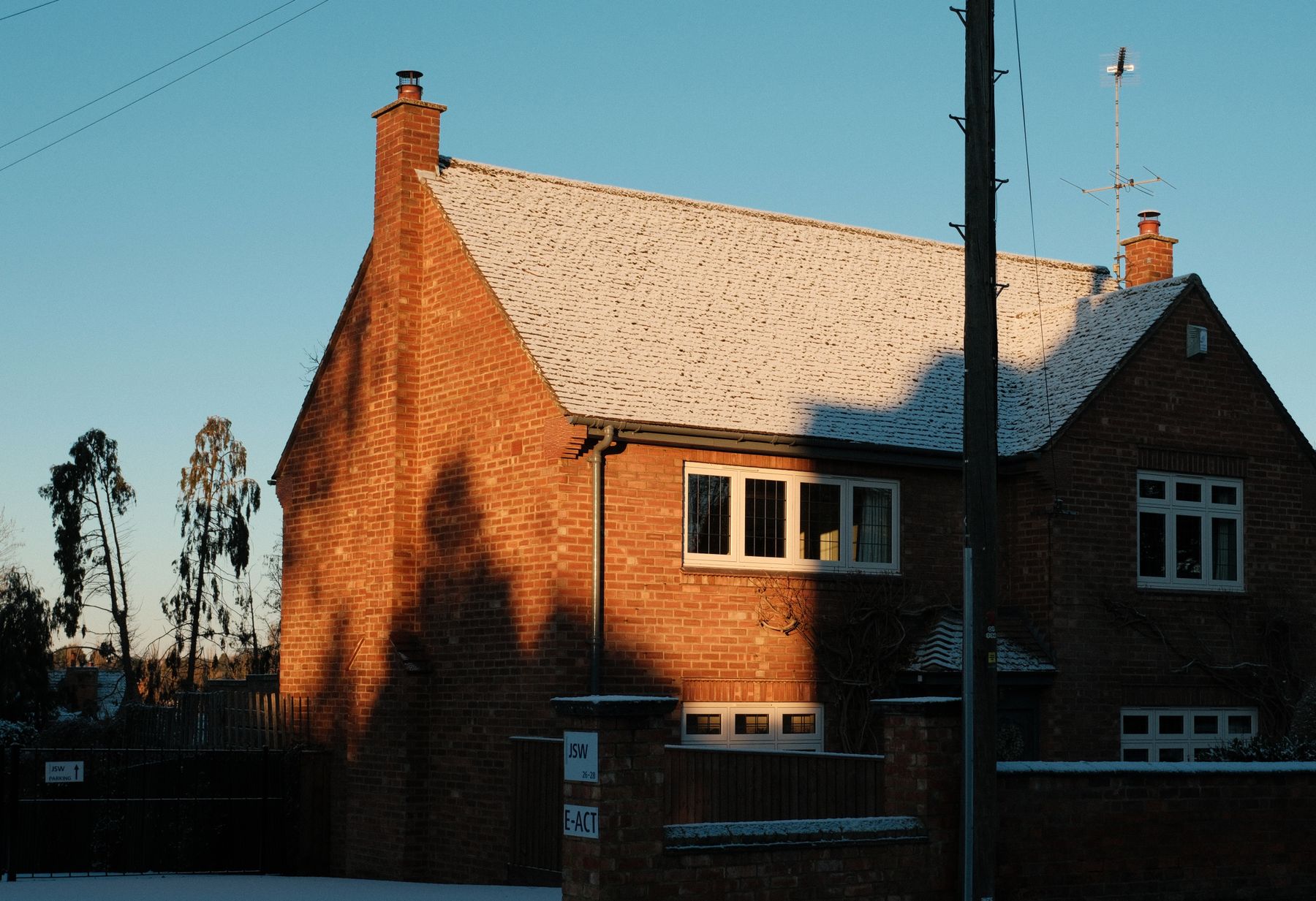
First, picture the old arrangement. In a lot of Minesing basements the furnace and the water heater both vent into one masonry chimney.
Natural Resources Canada describes it plainly. “Many older furnaces and water heaters use a common chimney to vent their combustion products.”
However, a modern furnace changes that completely. As the guide puts it, “a chimney is not needed because the flue gas temperature is so low.” The gases leave through plastic pipe instead.
Consequently the furnace moves out and the water heater stays. One small appliance is now trying to drive a flue that two appliances used to share.
What goes wrong in an oversized flue
Secondly, the physics. A chimney drafts because hot gas rises and pulls more behind it.
Therefore a flue that is too large never gets properly warm. The gases slow down, cool on the way up and lose their push.
Natural Resources Canada spells out the result. “If water vapour is vented through a cold chimney, some of it may condense.”
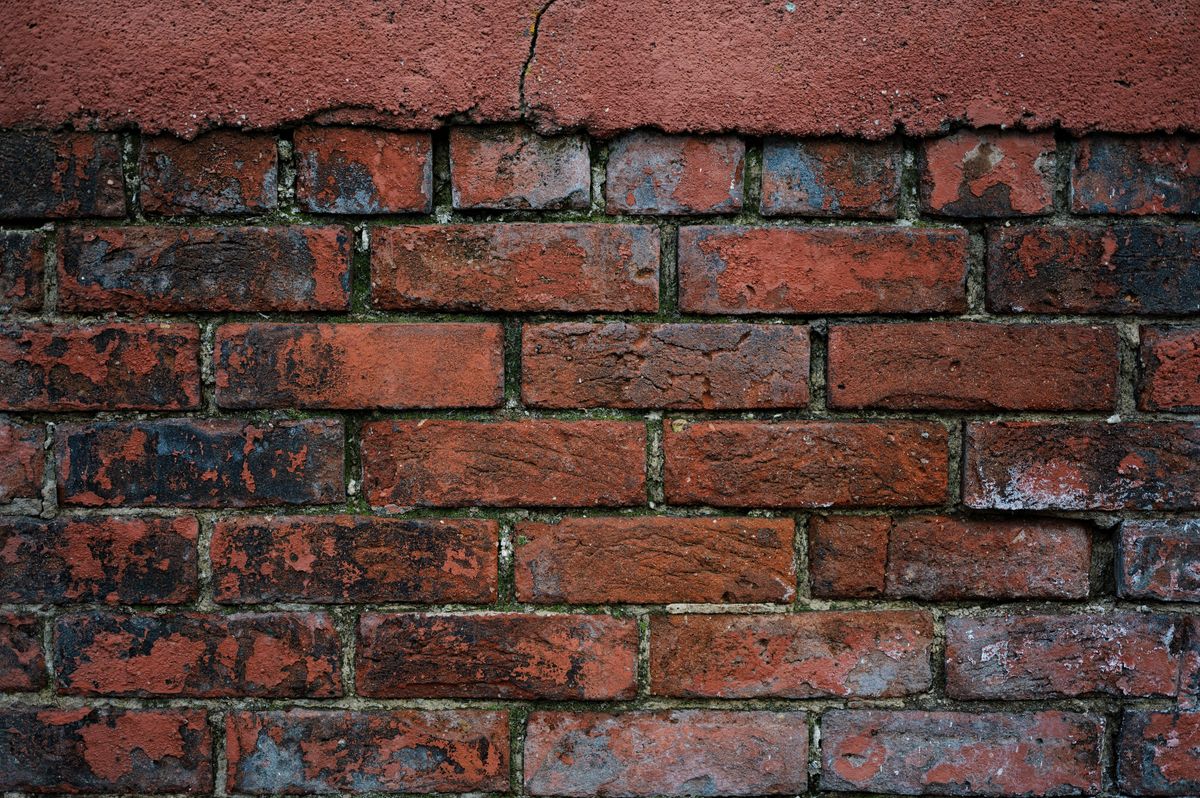
Furthermore that moisture is not harmless. The same guide warns that it “can seriously damage masonry chimneys.” It attacks mortar from the inside, where nobody looks.
In practice, the damage shows as crumbling mortar, staining and loose brick. A Simcoe County freeze and thaw cycle speeds all of it up.
| Before the upgrade | After a condensing furnace |
|---|---|
| Furnace and water heater share the flue | Water heater is alone in it |
| Plenty of hot gas keeps the flue warm | Far less heat, so the flue runs cold |
| Draft is strong and steady | Draft weakens, especially on mild days |
| Little condensation inside | Water vapour condenses on cold masonry |
| Flue size suits the load | Flue is oversized until it is lined |
What a chimney liner actually does
Thirdly, the fix, and why it is simpler than it sounds. A liner is a metal tube dropped down inside the existing masonry.
Natural Resources Canada puts the purpose in five words. “Approved liners reduce the size of the flue.”
In other words, the water heater gets a passage matched to its output. The gases stay warmer, move faster and leave the house properly.
Likewise, the masonry stops taking the moisture. The liner carries the vapour, so brick and mortar sit outside the path.
Besides, this is not homeowner work. The guide is specific that “you may need to have a licensed professional install an approved metal liner.”
The other option worth pricing
Next, the alternative Natural Resources Canada raises itself. Sometimes lining the chimney is not the best value.
The guide suggests that “a better alternative may be to replace both your heating system and water heater” at the same time.
If the old tank is already weeping, decide quickly. Our guide to a water heater leaking sets out which leaks wait and which do not.
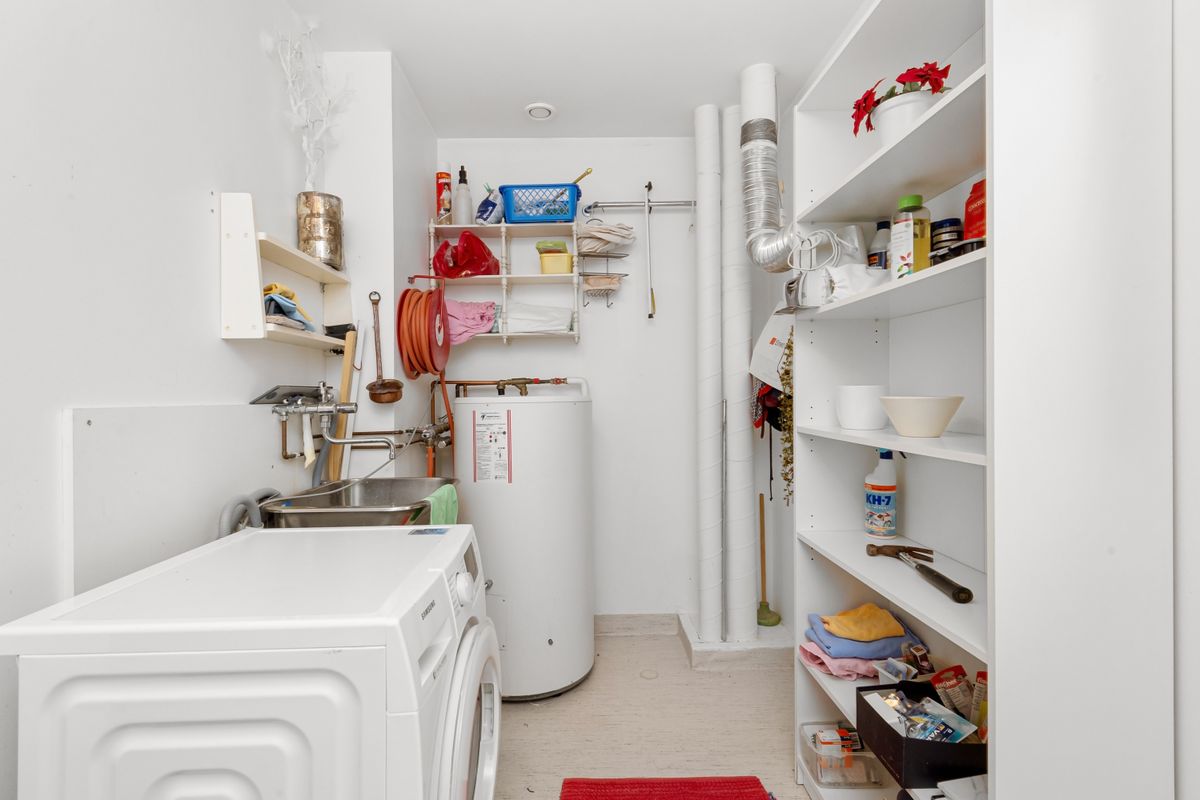
For example, a power vented or tankless water heater vents through the wall like the furnace. The chimney then carries nothing at all.
Admittedly that costs more on the day. Against it, you remove the flue problem for good rather than patching aging brick.
Of course, the age of the water heater decides this. Our guide to what to check when there is no hot water covers the signs it is near the end.
What this means around Minesing
Minesing has plenty of houses from the era when a shared masonry chimney was simply how things were done.
Consequently today’s furnace upgrades routinely strand a water heater on an oversized flue. It is the most common oversight we find on a follow up visit.
Likewise, the rural properties here often have taller, more exposed chimneys. More exposure means a colder flue, and a colder flue condenses sooner.
In fact, raise this before you sign any furnace quote. Asking after the old unit leaves on the truck is too late.
What to ask before you sign
Firstly, ask what the water heater will vent into once the new furnace is in. Our guide to deciding when to replace a furnace covers the rest of that conversation.
Secondly, ask whether the quote includes a chimney liner or prices it separately. The answer should not be a surprise in week two.
Thirdly, ask for a combustion and draft test on the water heater afterwards. Without one, spillage stays invisible.
Finally, check that a carbon monoxide alarm works on every level. Our summary of Ontario’s carbon monoxide alarm rules sets out exactly where they belong.
Sealing and insulating a basement changes how much air a flue has to work with. Our guide to basement insulation covers the flue clearance rule and the combustion air check that follows.
Talk to Aire One Barrie
We look at the venting for the whole house before quoting a furnace, so the water heater is never left stranded. We serve Minesing and the rest of Simcoe County from our Barrie shop.
- 24/7 emergency service, including weekends and holidays
- Chimney and vent assessment as part of a furnace quote
- Draft and combustion testing after commissioning
- Bonded, factory trained and licensed technicians
Frequently asked questions
Why would I need a chimney liner after a new furnace?
Because the furnace no longer uses the chimney. A condensing furnace vents through plastic pipe, which leaves the water heater alone in a flue sized for two appliances. Natural Resources Canada notes that approved liners reduce the size of the flue, which restores the draft.
What happens if the chimney is left oversized?
The flue runs too cool, so the exhaust slows and water vapour condenses inside. Natural Resources Canada warns that this can seriously damage masonry chimneys. A weak draft also raises the risk of combustion gases spilling indoors.
Can I install a chimney liner myself?
No. Natural Resources Canada states that you may need a licensed professional to install an approved metal liner. Venting work on gas appliances never belongs to the homeowner.
Is replacing the water heater a better option?
Sometimes. The same guide suggests that replacing both the heating system and the water heater may be the better alternative. A power vented or tankless model vents through the wall, so nothing uses the chimney at all.
How do I know my water heater is venting properly?
A licensed technician runs a draft and combustion test once the furnace is commissioned. You cannot see or smell spillage from a weak draft, so working carbon monoxide alarms matter on every level.
Sources
- Natural Resources Canada, Heating with Gas — shared chimneys, condensing furnaces needing no chimney, approved metal liners, condensation damage to masonry, and replacing both appliances.
- Canadian Gas Association, Natural gas safety at home — routine inspection of the furnace exhaust system and keeping vents and chimneys clear so fumes cannot enter the home.