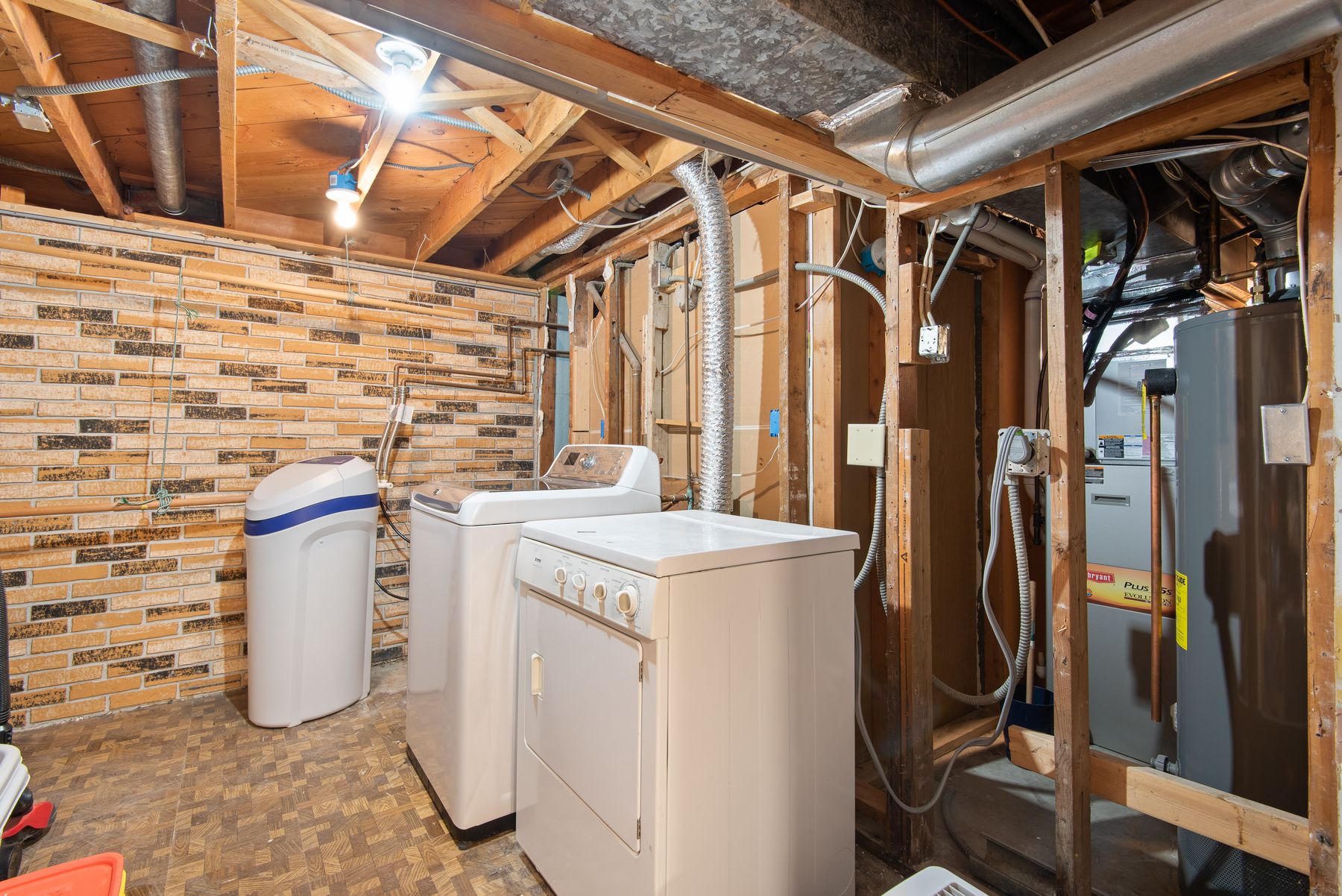
Four checks before you call.
No hot water in January is a short list of causes, not a mystery. Here is the order to work through them, and the one thing worth knowing about winter before you blame the tank.


 Licensed technicians
Quick answer
First decide which problem you have. No hot water at all usually means the heater has stopped. A tripped breaker, a failed element or a safety shutdown will each do it. Hot water that runs out quickly is a different fault. In winter it is often just a colder supply arriving at the tank.
Key takeaways
- None at all, or runs out fast. Those two symptoms point at different parts.
- Canadians use an average of 75 litres of hot water a day, so a tank is rarely idle.
- Health Canada asks for 60 degrees Celsius in the tank, with 49 degrees delivered at the tap.
- Water heating is 19.3 percent of the energy used in the average Canadian home.
- Above all, leave gas controls and pilot lights to a licensed technician.
Start by naming the symptom
First, run the kitchen tap hot for three minutes and pay attention to what happens.
Water that never warms at all means the heater is not making heat. That is an electrical or gas supply problem, or a failed component inside.
By contrast, water that starts hot and turns cold after a few minutes means the tank cannot hold enough. Sediment, a broken dip tube or a failing lower element all behave that way.
Water on the floor is a different problem again. Our guide to a water heater leaking explains how to tell a fitting from a failed tank.
When a tank reaches the point of replacement, the venting is the detail that catches people out. This explains why a new water heater can need a chimney liner.
Meanwhile, water that is merely lukewarm from the start often means the thermostat setting, not a fault at all.
The checks you can safely make
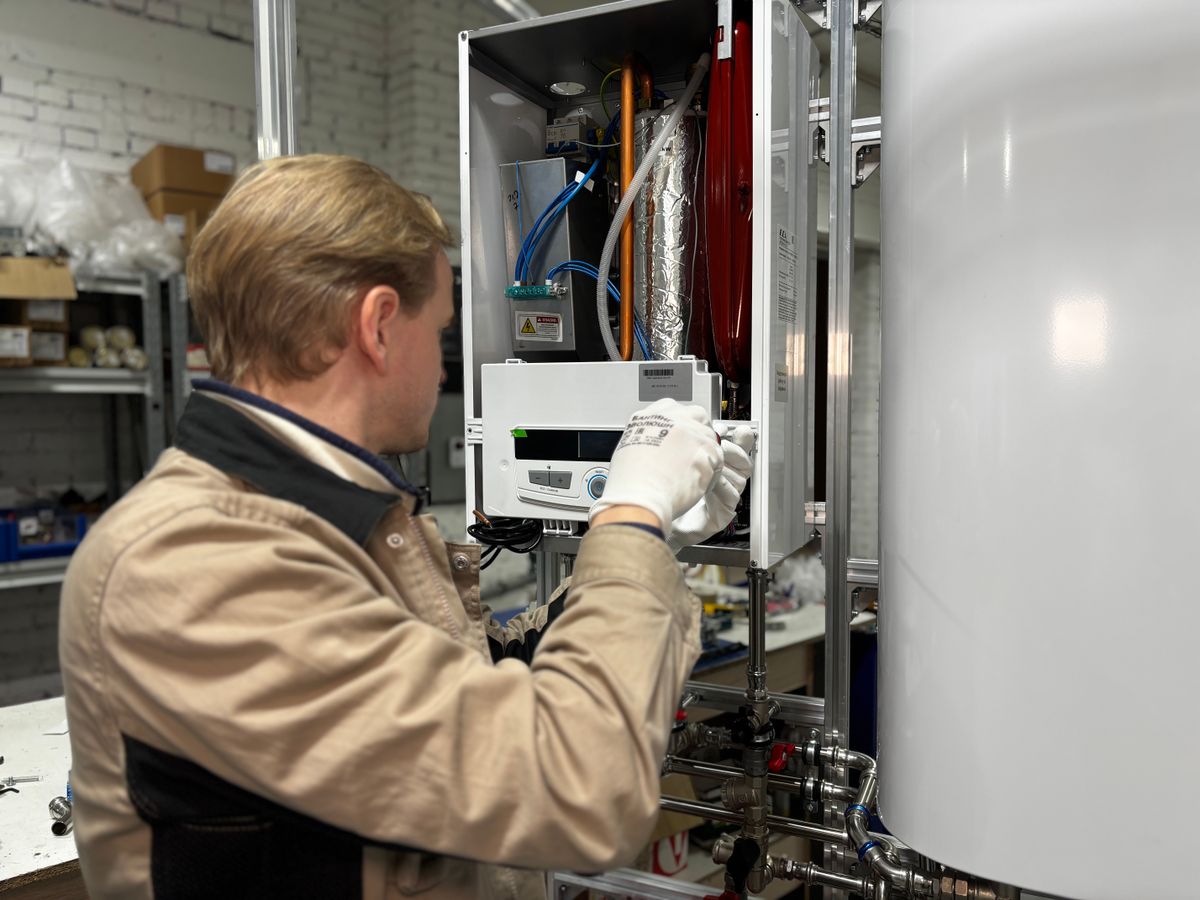
Secondly, work through the simple things in order. None of these involve opening a gas control.
Check the breaker panel if the heater is electric. A tripped breaker is the single most common cause, and resetting it takes a moment.
Then look for a red reset button on the upper thermostat behind the access panel. If it has tripped once, note it and move on, because a repeat trip means a real fault.
Furthermore, check the cold water shutoff above the tank is fully open. Work done elsewhere in the house sometimes leaves it half closed.
Finally, read the temperature at the nearest tap with a kitchen thermometer. Our guide to the right water heater temperature explains the two numbers that matter.
| What you notice | Likely cause | What it needs |
|---|---|---|
| Nothing warm, electric tank | Breaker, upper element or thermostat | Reset once, then a technician |
| Nothing warm, gas tank | Pilot, thermocouple or gas valve | A licensed technician |
| Hot then cold in five minutes | Lower element or dip tube | Parts replacement |
| Rumbling, then shorter showers | Sediment on the tank floor | Flush, or replace if old |
| Lukewarm all day | Thermostat set low | A setting change |
| Water around the base | A leaking tank | Shut off and call today |
Why no hot water feels worse in winter
Thirdly, the seasonal part that surprises people. The water entering your tank in January is far colder than the water that entered it in July.
Consequently the heater has to raise it through a much wider range to reach the same 60 degrees. The same tank therefore recovers more slowly and delivers fewer minutes of comfortable shower.
In practice, a family that never ran out in summer starts running out in February. Nothing broke, the workload simply doubled.
Similarly, long pipe runs through a cold basement bleed heat on the way. Natural Resources Canada suggests insulating the hot and cold pipes “within two to three metres of the water heater.”
What not to do
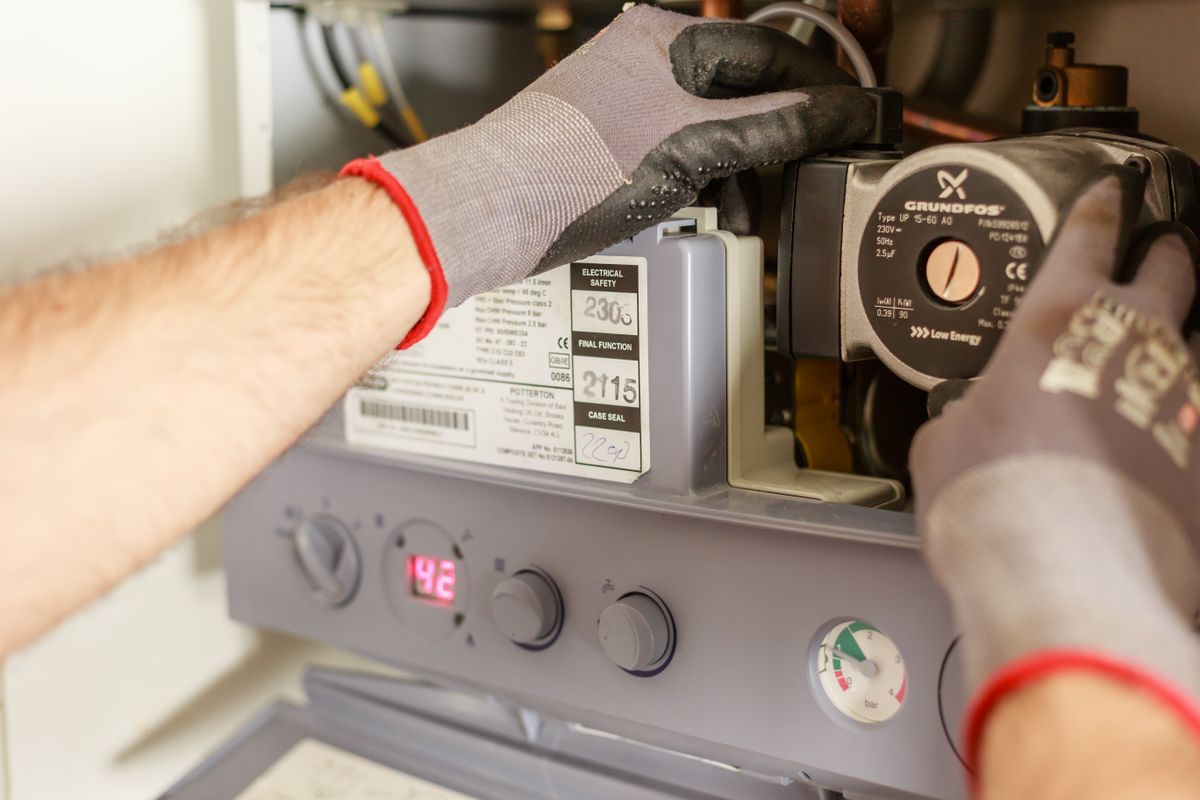
Next, two warnings worth stating plainly. Do not dismantle a gas control or chase a pilot light yourself.
Likewise, resist the urge to turn the tank up past 60 degrees to compensate for a slow recovery. Health Canada sets the tap limit at 49 degrees for a reason, and a hotter tank simply scalds faster.
If the tap already runs close to tank temperature, you have no mixing valve, and that is worth fixing before anything else.
Above all, if you find water pooling around the base, shut the cold supply off and call. A leaking tank does not improve with time.
What this means around Innisfil
Innisfil has a lot of homes on well water, and well water in winter arrives colder than municipal supply. The recovery problem shows up here earlier in the season than it does in town.
Likewise, mineral content in well water builds sediment faster. A tank that rumbles when it fires is telling you the floor of it is coated.
In fact, a good share of our no hot water calls in Alcona and Stroud turn out to be a tank near the end of its life rather than one broken part.
Admittedly nobody wants that answer in January. Knowing it in November is considerably better.
When to stop checking and call
Firstly, call straight away for anything involving gas, a smell, or water on the floor.
Secondly, call if the breaker or the reset button trips a second time. Something is drawing more than it should.
Thirdly, call if the tank is over ten years old and the hot water keeps shrinking. Replacement usually beats repair at that point.
Finally, if the heating side of the house is also misbehaving, read our notes on furnace short cycling and water around the furnace before the visit.
Talk to Aire One Barrie
If there is no hot water in the house, we can diagnose the tank, the controls and the supply in one visit. We serve Innisfil and the rest of Simcoe County from our Barrie shop.
- 24/7 emergency service, including weekends and holidays
- Gas and electric water heaters diagnosed and repaired
- Tank and tap temperatures measured, not estimated
- Bonded, factory trained and licensed technicians
Frequently asked questions
Why do I suddenly have no hot water?
On an electric tank, a tripped breaker stops heat production completely. So does a failed upper element. On a gas tank, a pilot or thermocouple problem does the same. Water on the floor points at the tank itself, which needs attention the same day.
Why does my hot water run out so fast in winter?
The water arriving at your tank is much colder in winter, so the heater has to raise it further to reach the same storage temperature. Recovery takes longer, and the usable supply shrinks even though nothing has failed.
Can I fix a water heater myself?
You can reset a breaker, press the thermostat reset once, and confirm the cold supply valve is open. Leave gas controls, pilots and element replacement to a licensed technician.
Should I turn the tank up if I keep running out?
No. Health Canada recommends 60 degrees Celsius in the tank with mixing valves limiting the tap to 49 degrees. Running hotter than 60 raises the scald risk without solving a capacity problem.
How long should a water heater last?
Most tanks give you ten to fifteen years. Water quality and maintenance decide where in that range yours lands. Hard water and heavy sediment shorten that, and a tank losing capacity each year is usually telling you it is near the end.
Sources
- Natural Resources Canada, Guide to residential water heaters — daily hot water use, the 19.3 percent share of household energy, and insulating pipes near the tank.
- Government of Canada, Water temperature and burns and scalds — the 60 degree tank setting and the 49 degree mixing valve setting at the tap.