The furnace can make heat it cannot deliver.
Burners get the attention, and the blower does the work. When it fails, a perfectly healthy furnace heats nothing but its own cabinet.


 Licensed technicians
Quick answer
The furnace blower motor is the part that pushes heated air through your ducts, and Carrier describes it as the component responsible for circulating conditioned air throughout the ductwork. Therefore a failed blower means no heat reaches the rooms, however well the burners are firing. Grinding noises, tripped breakers and a burning smell are the three signs worth acting on immediately.
Key takeaways
- Firstly, the burners make heat and the blower delivers it.
- Grinding or squealing usually means worn bearings.
- A dirty filter is the most common cause of early failure.
- An ECM motor can draw far less power than the older type.
- Above all, a burning smell means shut it down and call.
What the furnace blower motor does
First, the division of labour. A furnace has two jobs, and they are handled by different parts.
Firstly, the burner section makes heat. Then the blower section moves it, and Carrier is direct about which part matters for delivery.
The manufacturer describes the motor as the component “responsible for circulating conditioned air throughout your home’s ductwork.”
Consequently failure is stark. Carrier states that “If this motor fails, your heating system cannot distribute warmth, regardless of how much heat the furnace generates.”
In other words, the furnace can run perfectly and still leave the house cold. That is why a no-heat call sometimes has nothing wrong with the burners at all.
Besides heating, the same motor runs in cooling season. Our guide to a furnace blowing cold air covers the opposite symptom.
The warning signs that matter
Secondly, the symptoms. Most of them arrive as sound rather than as a breakdown.
In practice, noise comes first. Carrier notes that “Unusual sounds like grinding, squealing, or banging often indicate worn-out bearings or loose components.”
Then the electrical side. The same guidance says that “Frequent breaker trips or blown fuses usually point to electrical strain or faults within the motor.”
However, one symptom needs no interpretation. Carrier calls it plainly: “Smoke or a burning smell are urgent warning signs.”
Therefore the response differs by symptom. A squeal can wait for a service call, while smoke means switching the furnace off at the disconnect first.
Meanwhile weak airflow is the quiet version. The motor still turns, but it moves less air than the ducts were designed for.
| What you notice | What it usually means |
|---|---|
| Grinding or squealing | Worn bearings or loose parts |
| Breaker trips repeatedly | Electrical strain or a motor fault |
| Burning smell or smoke | Shut it off, then call |
| Weak airflow at registers | Restriction, or a motor losing speed |
| Blower will not start | Capacitor, control board or motor |
| Furnace fires then shuts off | Limit tripping on poor airflow |
Single speed, variable speed and ECM
Thirdly, the type. The motor in a 1998 furnace works differently from the one in a new unit.
In practice, older equipment runs flat out. Carrier puts it simply: “Single-speed motors operate at one speed (100% capacity) whenever on. They are affordable but louder and less efficient.”
Newer equipment modulates instead. Variable speed motors “Adjust their speed incrementally based on the home’s heating needs,” according to the same guidance.
The electrical difference is larger than people expect. Carrier states that “ECM motors can use up to 75% less electricity than PSC motors, depending on operating conditions and system design.”
Meanwhile Canada now regulates this directly. Natural Resources Canada sets a fan energy rating limit for gas furnaces. The regulation defines “FER = fan energy rating” and “QMax = airflow in cfm.”
Besides the fan rule, the efficiency floor is high here. The federal minimum AFUE for a gas furnace without an integrated cooling component is 95 percent.
Why filters decide how long it lasts
Next, the cause. Most blower motors do not die of old age, they die of restriction.
Carrier is unambiguous about the single biggest factor. It says “Keeping your air filters clean is the single most effective way to reduce strain on the motor and extend its life.”
So the mechanism is straightforward enough. A loaded filter starves the blower, the motor works harder against the restriction, and heat builds up in the windings.
Similarly, registers do the same thing from the other end. The same guidance warns that “Blocked registers increase pressure on the motor.”
Therefore the maintenance instruction is short. Carrier advises homeowners to “Replace filters regularly to prevent motor strain.”
Our guide to the furnace filter MERV rating covers which filter to use without choking the system.
What belongs to a technician
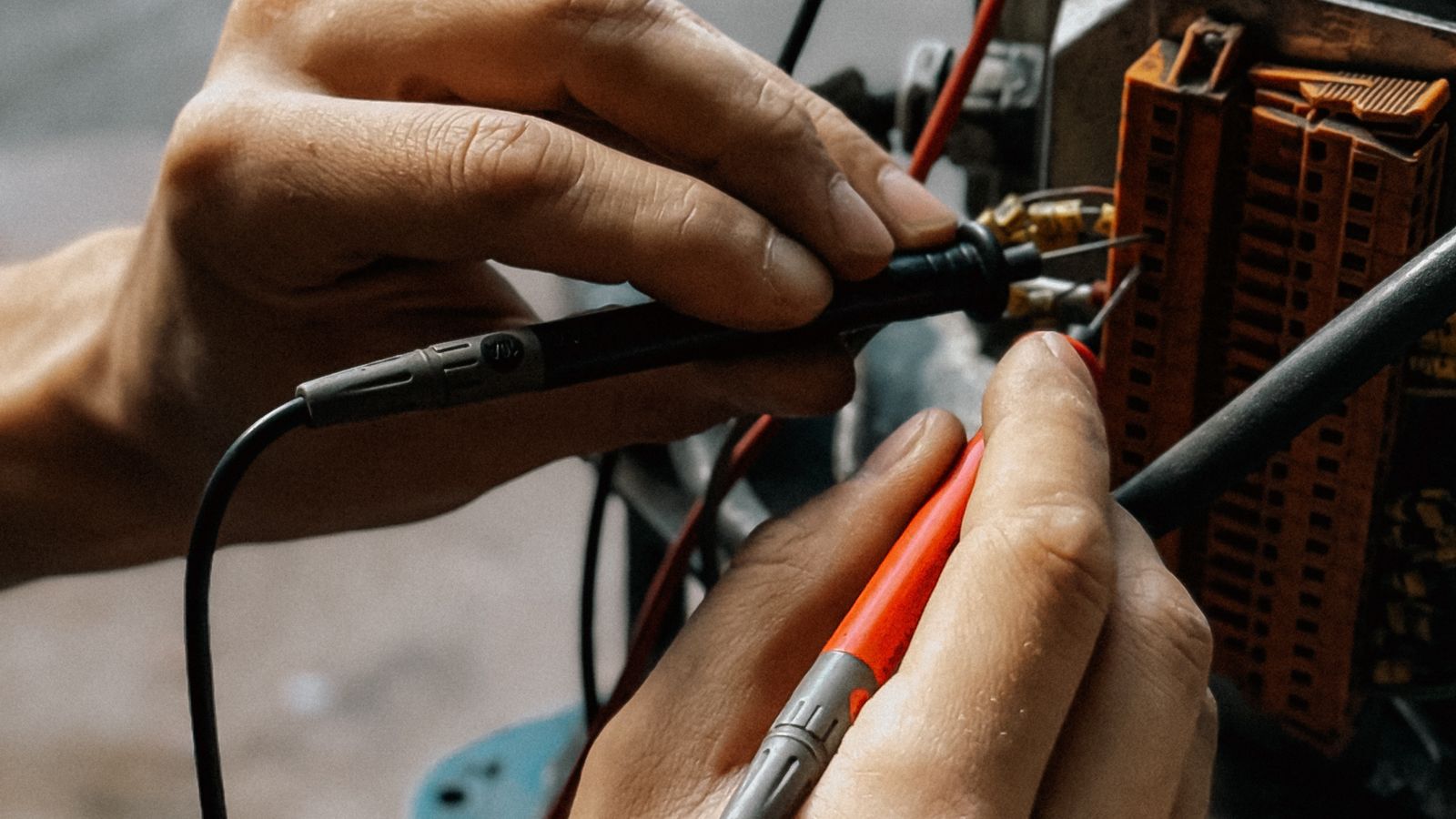
However, this is not a part most homeowners should chase. The motor sits in the same cabinet as line voltage and a run capacitor.
In short, Carrier describes the work as “generally best left to a professional HVAC technician to ensure safety and reliable performance.”
Moreover it is firmer about the diagnostics. The guidance says “Complex electrical problems should always be handled by a professional.”
In practice the diagnosis matters more than the part. A blower that will not start is sometimes a failed capacitor. Sometimes it is the control board. Only sometimes is it the motor.
Above all, the instruction is to act rather than wait. Carrier advises that “If you experience any of these signs, have your system checked by a professional HVAC technician immediately.”
Our guide to the furnace flame sensor covers another part people replace before confirming it is the fault.
What this means around Letitia Heights
Letitia Heights sits in Barrie’s north west. Much of it was built through the sixties and seventies.
Consequently, those furnaces have usually been replaced once or twice. Many of those replacements landed in the era of single speed blowers.
In practice that matters at the hydro meter rather than the gas meter. A single speed blower running long winter cycles draws steadily more power than a modern one.
Besides the motor, the ducts in these homes are often original. A system that was tight on return air in 1972 is tighter now, and the blower pays for it.
We serve Letitia Heights, the rest of Barrie and the wider Simcoe County area from our Burton Avenue shop.
Repair or replace the furnace
Finally, the decision. A blower motor on an old furnace raises a bigger question.
So weigh the age first. Our guide to how long a furnace lasts covers where the line usually falls.
Then consider what a new unit actually changes. A modern furnace brings the fan rating and the 95 percent AFUE floor with it, not just a new motor.
Similarly, sizing matters more than badge efficiency. Our guide to what furnace size you need explains why an oversized unit wastes the gain.
Otherwise, if the furnace is sound, the motor is worth doing. Then an annual maintenance visit keeps the next one alive longer.
Talk to Aire One Barrie
We diagnose the blower circuit properly, capacitor and board included, rather than selling a motor first. We serve Barrie and the rest of Simcoe County.
- 24/7 emergency service, including weekends and holidays
- Blower, capacitor and control board diagnosed together
- Airflow checked, not just the motor replaced
- Bonded, factory trained and licensed technicians
Frequently asked questions
How do I know the furnace blower motor is failing?
Firstly, listen. Carrier links grinding, squealing or banging to worn bearings. Moreover, it treats repeated breaker trips as electrical strain inside the motor. Smoke or a burning smell is the one symptom that calls for shutting the furnace off immediately.
Can a dirty filter really kill the motor?
Yes, and in practice it is the most common cause we see. Carrier calls clean filters the single most effective way to extend motor life. The reason is simple. A restriction makes the motor work harder and run hotter.
What is the difference between ECM and single speed?
Firstly, a single speed motor runs at full capacity whenever it is on. By contrast, a variable speed motor adjusts incrementally to demand. Carrier says ECM motors can use up to 75 percent less electricity than PSC motors.
Is the blower the same part that runs the air conditioning?
In a forced air system, yes, it is the same part. The same blower circulates cooled air in summer. Consequently a motor that struggled all winter often fails on the first hot week instead.
Should I replace the motor or the furnace?
It depends on the age of the unit. Canada’s minimum AFUE for a new gas furnace without integrated cooling is 95 percent. New equipment also meets a federal fan energy rating. Therefore on an older furnace, the motor cost is worth weighing against replacement.
Sources
- Carrier, Furnace Blower Motor Repair and Replacement Guide — the motor circulating conditioned air through the ductwork, heat not being distributed if it fails, grinding, squealing and banging pointing to worn bearings, breaker trips indicating electrical strain, smoke and burning smells as urgent signs, single speed motors running at 100 percent capacity, variable speed motors adjusting incrementally, ECM motors using up to 75 percent less electricity than PSC motors, replacing filters to prevent strain, blocked registers increasing pressure, clean filters as the most effective way to extend motor life, and the work belonging to a professional technician.
- Natural Resources Canada, Energy efficiency regulations: Gas furnaces — the fan energy rating requirement, the definitions of FER and QMax, and the 95 percent minimum AFUE for gas furnaces without an integrated cooling component.