Insulate first. Heat second.
A garage loses heat faster than any room in the house. It also shares a wall with the people you live with, which rules some options out entirely.


 Licensed technicians
Quick answer
Start by insulating and sealing, because heating a garage with bare block walls wastes most of what you pay for. Then choose a heater that is safe for the space. Never burn fuel in an attached garage without proper venting, since Natural Resources Canada warns that fumes migrate “through leaky common walls, doors and ceilings” into the house.
Key takeaways
- Firstly, air sealing and insulation decide what any heater can achieve.
- Never run an unvented fuel burning heater in an attached garage.
- Avoid idling the car inside, even with the door open.
- Electric resistance is simple to fit and expensive to run.
- Above all, a carbon monoxide alarm belongs on the house side.
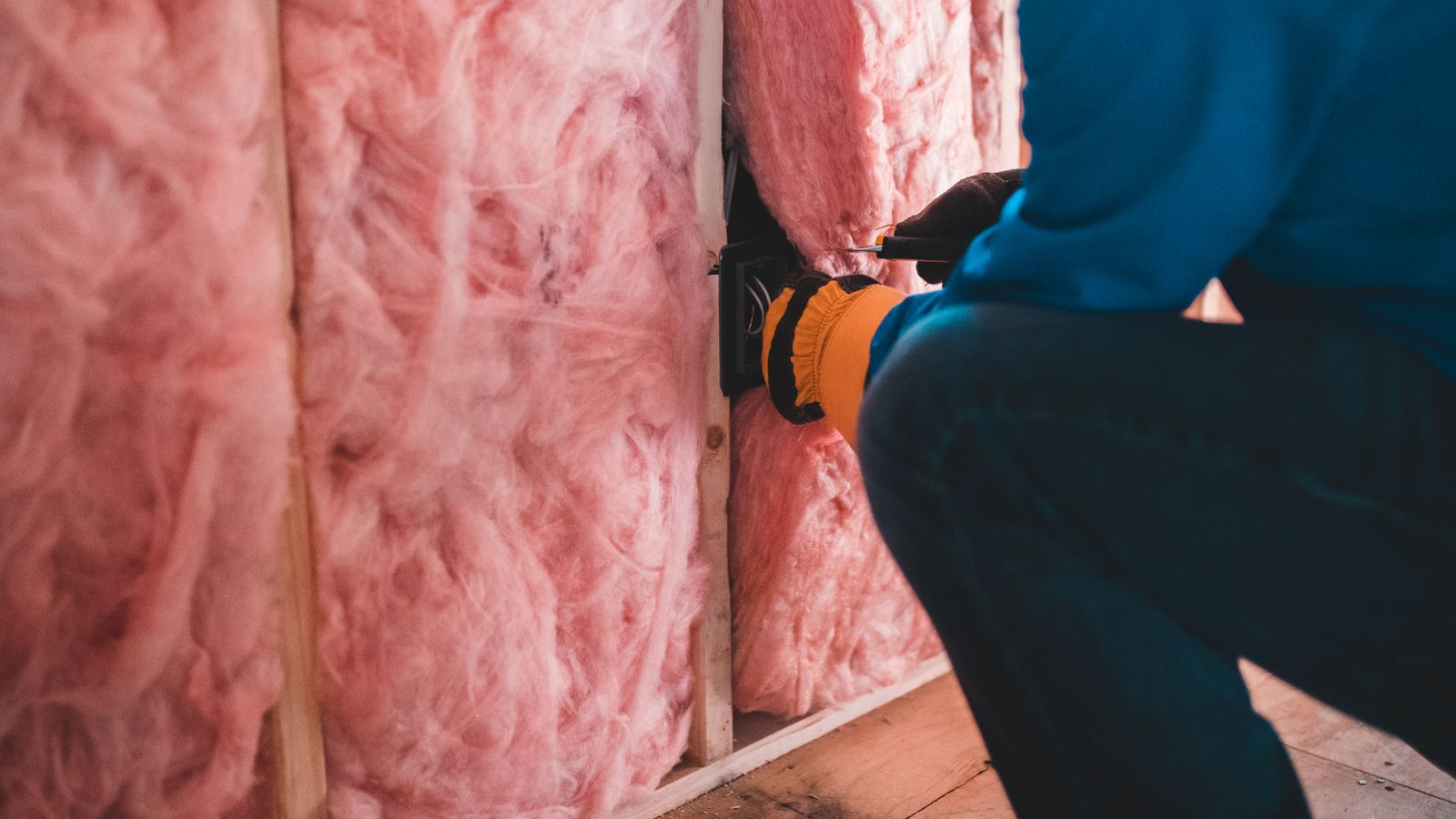
Insulate before you choose a heater
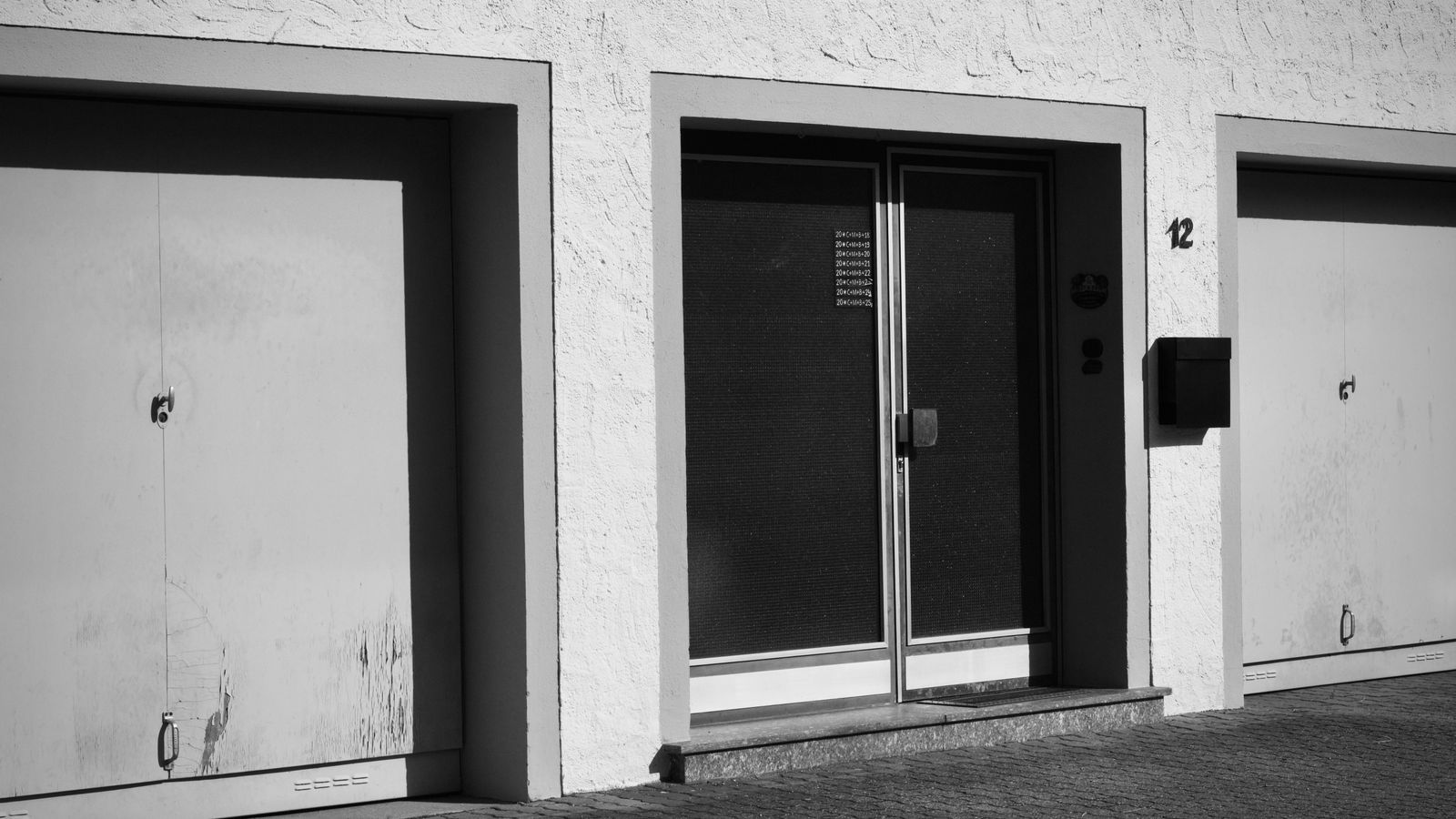
First, the unglamorous part. A garage usually has an uninsulated door, bare walls and a slab with no edge insulation.
Consequently heat leaves as fast as you make it. Any heater sized for that condition will run almost constantly.
Therefore sealing comes first. Gaps around the vehicle door, the service door and the header leak more than people expect.
Then insulation follows. Moreover, a garage you intend to work in benefits far more than one you only park in.
In short, the building envelope decides the bill. The heater only decides how the heat arrives.
The safety rule that shapes heating a garage
Secondly, the constraint that rules options out. An attached garage shares air paths with your living space.
Natural Resources Canada is direct about how that works. It notes that “an idling vehicle in an attached garage may trigger a home CO alarm” when “exhaust fumes migrate through leaky common walls, doors and ceilings.”
Its advice follows from that. “Avoid idling a vehicle in a garage,” whatever the weather outside.
Furthermore, the same migration applies to a heater. Any appliance burning fuel in that space must vent its combustion gases outdoors properly.
Consequently unvented fuel burning heaters have no place here. Neither does a barbecue, a camp stove nor a portable generator.
Besides, exhaust fans elsewhere in the house pull air across those paths. The federal guide explains that when devices “exhaust air out of the house,” indoor pressure “falls below the air pressure outdoors.”
| Option | What to weigh |
|---|---|
| Insulation and air sealing | Do this first, whatever comes next |
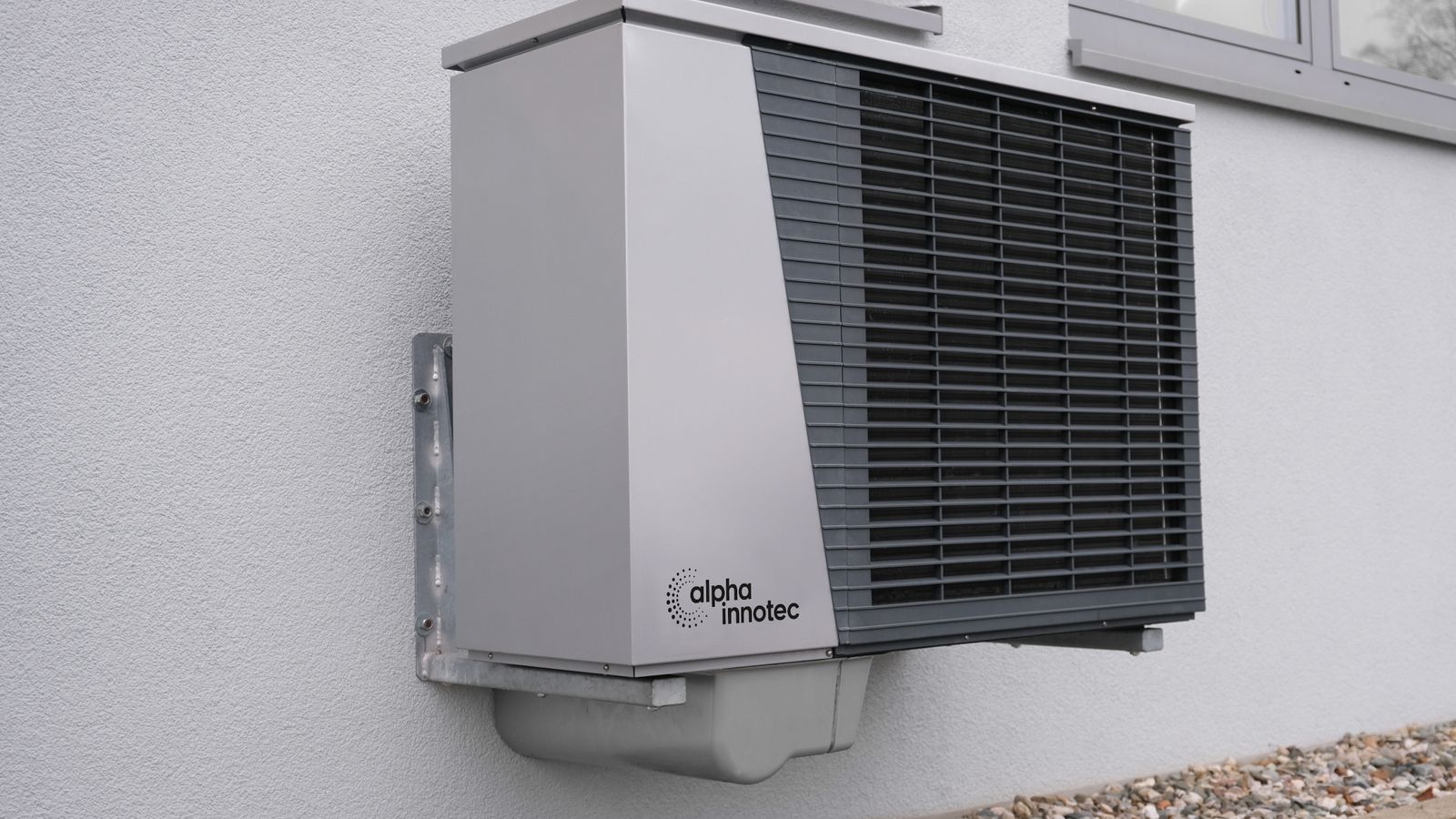
| Ductless mini split heat pump | Efficient, also cools, needs an outdoor unit |
| Electric resistance heater | Simple to fit, highest running cost |
| Vented gas unit heater | Licensed gas work, venting and clearances |
| Unvented fuel heater | Not for an attached garage |
| Extending house ductwork | Not a route a contractor will take |
The realistic options for heating a garage
Thirdly, the equipment. Three routes cover most Simcoe County garages.
Electric resistance is the simplest. Natural Resources Canada describes such heating as “typically 100 per cent efficient,” since nothing escapes up a chimney.
However, efficiency is not the same as cheap. The same guide warns that “the annual cost to heat such a home has become quite high” with today’s electricity rates.
By contrast, a ductless mini split moves heat rather than making it. As the federal guide puts it, “since it normally takes less energy to transfer heat than to generate it, heat pumps can be very energy efficient.”
Meanwhile it cools in summer too, which suits a workshop. Our guide to ductless mini split heating covers how the equipment behaves.
Still, deep cold reduces output. Natural Resources Canada notes that “both efficiency and capacity decrease with significantly lower outside temperatures.”
Finally, a vented gas unit heater suits large or frequently used spaces. That is licensed work, so it belongs with a registered contractor rather than a weekend project.
One route to rule out
However, one idea comes up constantly and deserves a direct answer. Extending the house ductwork into the garage is not the shortcut it looks like.
The reason is the same migration problem. A supply or return opening ties garage air to the air your family breathes.
Consequently a contractor will decline that work. Instead they will propose a separate appliance for heating a garage on its own.
Besides, it rarely performs well anyway. A furnace sized for the house cannot absorb a garage without starving the rooms it already serves.
What heating a garage means around Baxter
Baxter is a small Essa community near the 5th Line, and detached shops are common on these lots. Consequently heating a garage here often means heating a separate building.
A detached building changes the calculation usefully. Without a shared wall, the carbon monoxide migration risk drops sharply.
Meanwhile the heat loss problem grows. A standalone shop has four exposed walls rather than three, plus a colder slab.
Moreover, running power out to a detached building is its own project. Check the capacity of the existing supply before choosing an electric option.
Because of that, the attached and detached cases rarely end with the same answer here. Decide which one you have before you shop.
What to ask before you commit
Firstly, ask what temperature you actually need. Heating a garage above freezing is a far smaller job than making it comfortable to work in.
Secondly, ask for the insulation plan alongside the heater quote. A quote without one is only half a proposal.
Thirdly, ask where the carbon monoxide alarm goes. Ontario’s requirements are set out in our guide to the carbon monoxide alarm rules.
Finally, ask who carries the fuel licence if gas is involved. Natural Resources Canada advises getting help with combustion appliances from “a qualified professional.”
Talk to Aire One Barrie
Furthermore, we approach heating a garage by sizing the space honestly, and we say when insulation beats a bigger heater. We serve Essa and the rest of Simcoe County from our Barrie shop.
- 24/7 emergency service, including weekends and holidays
- Ductless systems sized for garages and workshops
- Carbon monoxide safety reviewed on attached garages
- Bonded, factory trained and licensed technicians
Frequently asked questions
What is the cheapest way of heating a garage?
Insulating and air sealing it first, because that lowers what any heater has to produce. After that, a ductless heat pump usually costs less to run than electric resistance, since Natural Resources Canada notes that transferring heat takes less energy than generating it.
Can I run a vent from my house furnace into the garage?
No, and a contractor will decline that work. An opening ties garage air to house air, and Natural Resources Canada warns that exhaust fumes migrate through leaky common walls, doors and ceilings. A separate appliance for the garage is the right approach.
Is a portable propane or kerosene heater safe in a garage?
Not in an attached garage. Burning fuel without proper venting releases combustion gases into a space that shares air paths with your home, which is exactly the situation that leads to carbon monoxide entering the house.
Can I warm the garage up by idling the car?
No. Natural Resources Canada states plainly that you should avoid idling a vehicle in a garage, and notes that an idling vehicle in an attached garage may trigger a home carbon monoxide alarm.
Will a heat pump still work in a Simcoe County winter?
It works, though output falls as it gets colder. Natural Resources Canada notes that both efficiency and capacity decrease with significantly lower outside temperatures, so the unit needs sizing for the coldest conditions you expect to use the space in.
Sources
- Natural Resources Canada, Combustion gases in your home — combustion spillage, idling vehicles in attached garages triggering CO alarms, fumes migrating through leaky common walls, depressurisation from exhaust devices, and getting help from a qualified professional.
- Natural Resources Canada, Heating with Electricity — electric resistance heating at about 100 percent efficiency, the high annual cost of electric heating, heat pumps transferring rather than generating heat, and capacity falling in very cold weather.