Square feet is not a method.
Furnace size should come from a heat loss calculation, not from your floor area. Natural Resources Canada calls the shortcut inadequate, and bigger is the most expensive mistake here.


 Licensed technicians
Quick answer
There is no square footage rule that gives you the right answer. Natural Resources Canada says “the furnace size should be determined by using a heat loss calculation,” and that a calculation based only on floor area “is not adequate in most cases.” A proper survey usually points to a smaller furnace than people expect.
Key takeaways
- Heat loss calculation is the method. Floor area alone is not.
- The survey looks at size, insulation levels, windows and air leakage.
- Without that survey, a contractor’s number is “not much more than a ‘guesstimate.'”
- Improving insulation first can “reduce the size of furnace required.”
- Above all, oversizing causes short cycling, uneven heat and shorter equipment life.
Why furnace size is not a floor area sum
First, understand what the number represents. A furnace is rated by how much heat it delivers per hour, not by how many rooms it serves.
Two houses of identical area can lose heat at very different rates. Insulation, window quality, air leakage and exposure all change the answer.
Therefore Natural Resources Canada rejects the shortcut outright. A calculation based only on the floor area of the home “is not adequate in most cases.”
In fact, the guide goes further about contractors who skip the survey. Their number “is likely to be not much more than a ‘guesstimate.'”
What a heat loss calculation actually looks at
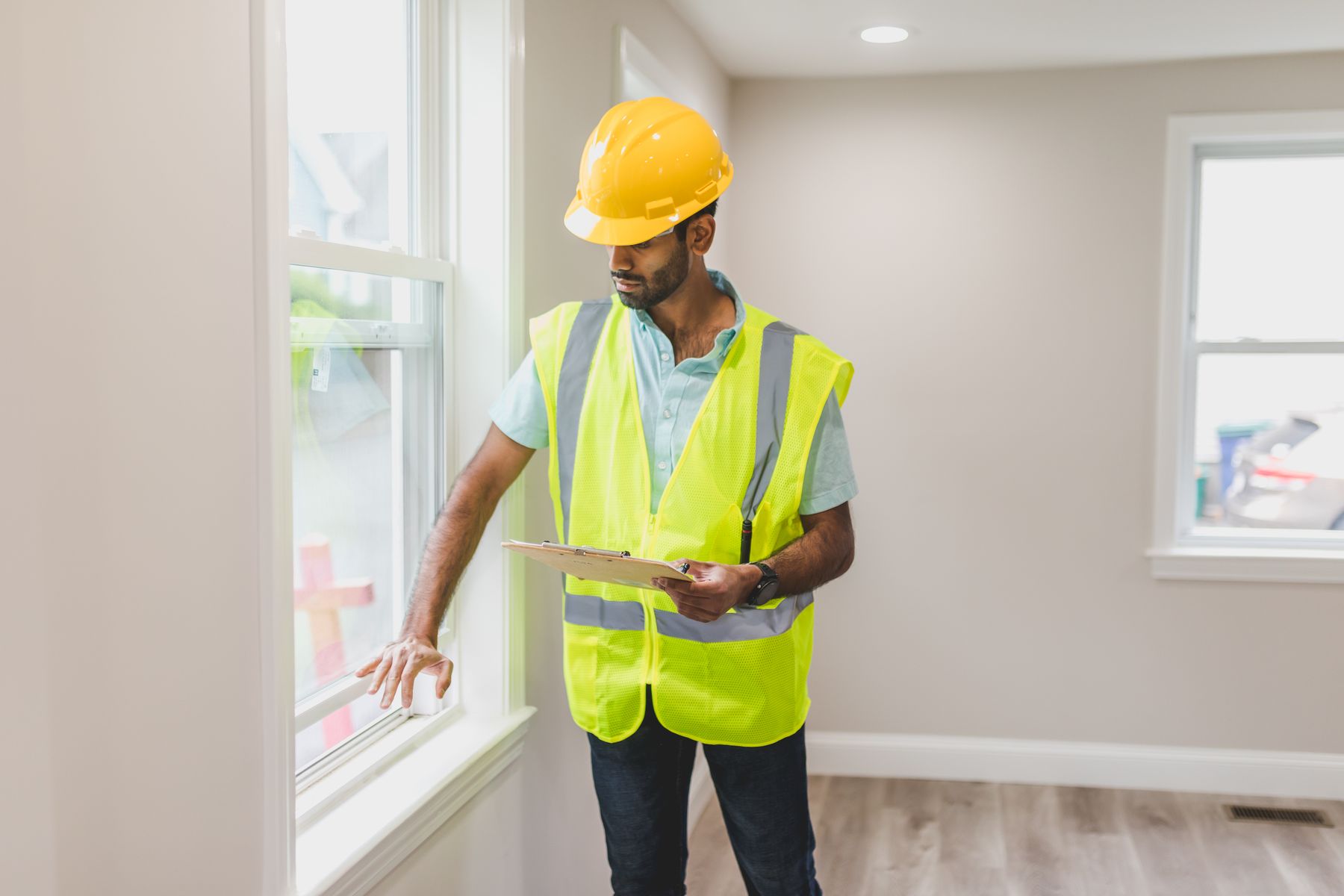
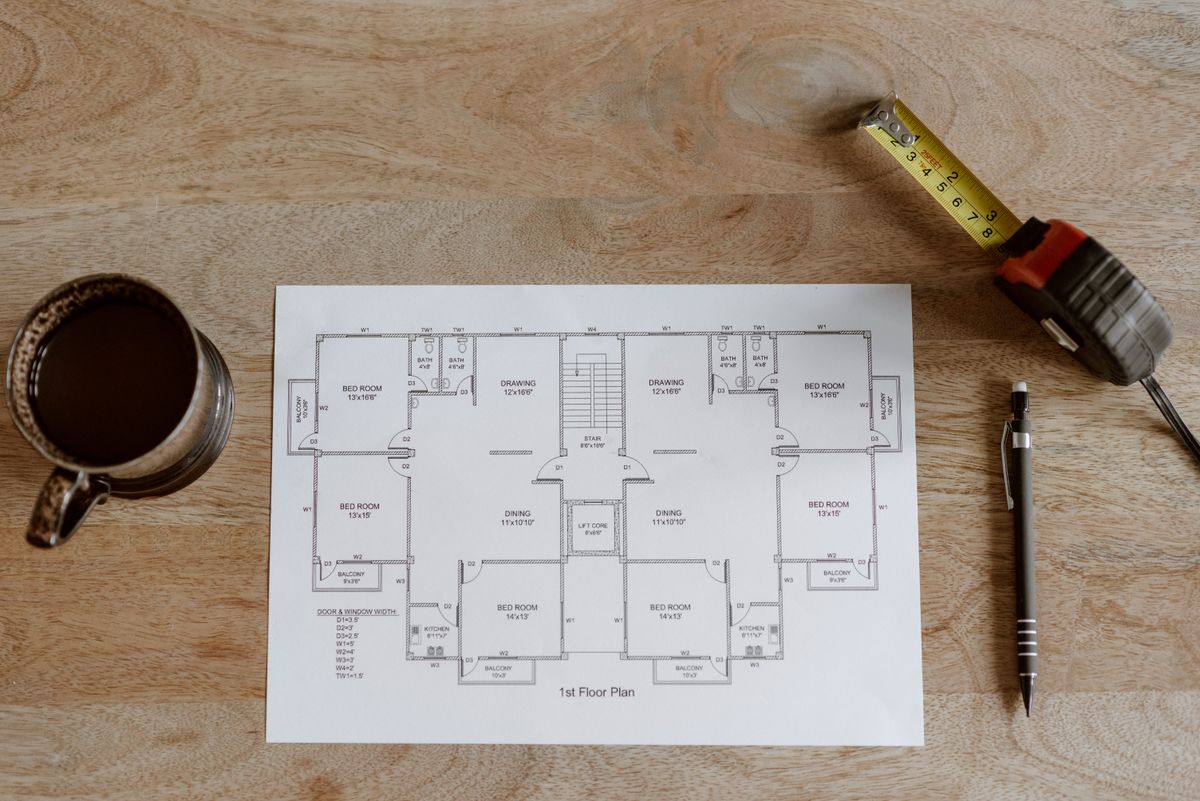
Secondly, the work itself. Natural Resources Canada describes it as requiring “detailed examination of your house to determine size, insulation levels” and the rest of the envelope.
In practice that means measuring the house, not glancing at it. Wall and attic insulation, window type and area, and the number of exposed walls all go in.
Furthermore, air leakage matters as much as insulation. A draughty 1970s farmhouse near Utopia loses far more than a tight new build of the same size.
Meanwhile the design temperature matters too. Simcoe County winters set a colder target than southern Ontario, and the calculation reflects that.
| What the survey records | Why it moves the number |
|---|---|
| Attic and wall insulation levels | The single biggest lever on heat loss |
| Window type, size and orientation | Glass loses heat far faster than wall |
| Exposed walls and storeys | A corner unit loses more than a middle one |
| Air leakage and draughts | Uncontrolled air can rival the walls |
| Design outdoor temperature | Sets the worst case the furnace must meet |
| Duct runs through unheated space | Heat lost before it reaches a room |
Why bigger is the expensive mistake
Thirdly, the habit worth breaking. People round up for safety, and the furnace then spends winter in the wrong operating mode.
An oversized furnace satisfies the thermostat quickly, shuts off and restarts soon after. That pattern is short cycling, and our guide to what short cycling means works through the symptoms.
Consequently the house feels less comfortable, not more. Rooms furthest from the furnace never get a long enough run to warm up evenly.
Besides, every start is the hardest moment for the equipment. More cycles mean more wear on the igniter, the blower and the heat exchanger.
Likewise an oversized unit costs more to buy. You pay extra for capacity that makes the house worse.
With the size settled, the install itself is a short job. Our walkthrough of furnace installation day in Moonstone covers the sequence from arrival to the first heat cycle.
Fix the house before you size the furnace
Next, the sequence that saves real money. The envelope comes before the equipment.
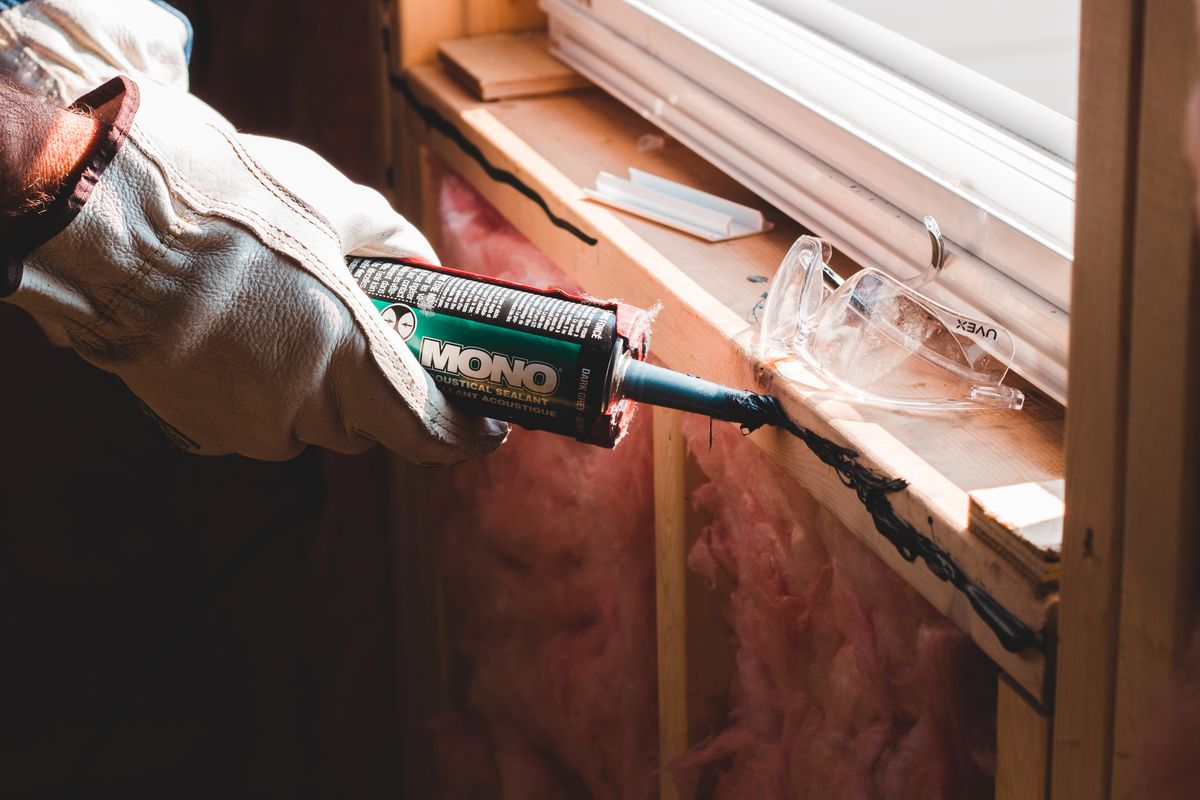
Natural Resources Canada recommends an energy evaluation first. By following its recommendations, “you may be able to reduce the size of furnace required.”
In other words, insulation and draughtproofing shrink the heating bill twice. They cut what you burn, and they cut what you buy.
Of course that order only works if you plan ahead. A furnace that quits in January leaves no time for attic work first.
So the right moment to think about this is autumn, alongside the question of whether your furnace is near replacement.
What this means around Simcoe County
Simcoe County housing runs from century farmhouses to new subdivisions, which is exactly why one rule of thumb cannot cover it.
Consequently we see the same furnace size quoted for homes that lose heat at completely different rates.
Likewise, lake effect exposure changes things near Georgian Bay. Wind driven infiltration on an exposed lot raises the load beyond what the plans suggest.
Admittedly a replacement often lands close to the old size. When it does, that should be the result of the calculation rather than the reason for it.
What to ask any contractor
Firstly, ask whether they will perform a heat loss calculation and show you the result.
Secondly, ask what design outdoor temperature they used. A real answer signals real work.
Thirdly, ask which fuel the quote assumes. Our comparison of a gas or electric furnace explains why that changes the running cost more than the rating does.
Thirdly, get written quotes from more than one company, which Natural Resources Canada recommends directly.
Finally, compare what each quote proposes against the calculation, not against each other. Our overview of choosing a furnace covers the rest of the specification.
Sizing fixes the equipment, and zoning fixes the distribution. Our guide to HVAC zoning covers how dampers send air only where it is called for.
Talk to Aire One Barrie
We size replacements with a heat loss calculation and show you the numbers behind it. We serve Simcoe County from our Barrie shop.
- 24/7 emergency service, including weekends and holidays
- Heat loss calculation before any furnace is quoted
- Written quotes you can compare line by line
- Bonded, factory trained and licensed technicians
Frequently asked questions
How do I work out what furnace size I need?
Through a heat loss calculation. Natural Resources Canada states that the furnace size should be determined this way, and that a calculation based only on floor area is not adequate in most cases.
Can I size a furnace by square footage?
No. Two houses of the same area can lose heat at very different rates depending on insulation, windows, exposure and air leakage. Natural Resources Canada calls a contractor’s estimate without a survey not much more than a guesstimate.
Is a bigger furnace better?
No. An oversized furnace reaches the set temperature quickly and then shuts off, which produces short cycling, uneven heat between rooms and extra wear from constant starts. It also costs more to buy.
Will insulating my house change the furnace size?
Yes, and that is worth doing first. Natural Resources Canada notes that following the recommendations of an energy evaluation may let you reduce the size of furnace required, which lowers the purchase price too.
Should the new furnace match the old one?
Only if the calculation says so. The old unit may have been oversized when it was installed, and insulation or window upgrades since then will have lowered the load further.
Sources
- Natural Resources Canada, Heating with Gas — heat loss calculation versus floor area, what the survey examines, the guesstimate warning, reducing the required furnace size, and getting written quotes.
- Natural Resources Canada, Gas furnaces regulations — the scope of Canada’s furnace efficiency rules and the 95 percent AFUE minimum.