The saving is smaller than it looks.
Closing air vents in the spare room feels like free money. In a forced air house it mostly moves the problem somewhere else, and Natural Resources Canada explains why.


 Licensed technicians
Quick answer
Closing air vents in one or two rooms is usually harmless. Closing half the house is not. A furnace moves a fixed volume of air, so the air you block has to leave somewhere else, and Natural Resources Canada warns that cutting airflow too far raises the temperature inside the furnace itself.
Key takeaways
- A furnace blower suits the whole duct system, not the rooms you happen to use.
- Natural Resources Canada warns that if “you reduce the airflow too much, you could raise the air temperature inside the furnace plenum too much.”
- Closed rooms get cold, and cold rooms pull heat through the walls from the rooms beside them.
- Balancing with duct dampers is the proper version of the same idea.
- Above all, sealing and insulating ducts saves more than closing registers ever will.
What happens when you shut a register
First, understand that the blower does not know you closed anything. It pushes the same volume of air regardless.
Consequently the pressure in the duct system rises. That extra pressure pushes air out through every joint and seam it can find.
Natural Resources Canada describes those leaks plainly, as warm air “leaking out through joints in the heating ducts.” Closing registers makes existing leaks worse.
Meanwhile, the furnace itself notices. Less air across the heat exchanger means the air leaving it gets hotter.
Leaks work against you in the same way, by sending heated air somewhere it was never wanted. Our guide to sealing leaky ducts in Belle Ewart covers how to close them.
The warning that matters
Secondly, here is the line worth remembering. Natural Resources Canada puts it directly: “If you reduce the airflow too much, you could raise the air temperature inside the furnace plenum too much.”
The plenum is the box above the heat exchanger. When it overheats, the furnace trips its own limit switch and shuts the burner down early.
Therefore the house heats in short bursts instead of steady runs. Our guide to furnace short cycling covers what that pattern looks like day to day.
In practice, the same guide suggests having a serviceperson check the temperature rise after any airflow change. That is a five minute measurement with the right gauge.
Closing air vents and the cold room problem
Thirdly, consider the room itself. A closed off room in an Essa winter does not stay at twenty degrees by itself.
It drops, sometimes well below the rest of the house. The walls, floor and ceiling around it then act as a cold surface facing your heated rooms.
So the heat you thought you saved leaks sideways into the cold room anyway. You paid for it, just in a less useful place.
Furthermore, a cold room with an exterior wall risks condensation and, in the worst case, a frozen pipe. That is an expensive way to save on gas.
An attached garage is a different problem again, because it was never on the duct plan. Our guide to heating a garage in Baxter covers the options that do not borrow heat from the house.
| What you do | What actually happens | Better option |
|---|---|---|
| Close one or two registers | Little effect, no harm | Fine as it is |
| Close a third of the house | Duct pressure rises, leaks grow | Damper balancing |
| Close half the house | Plenum overheats, burner cycles early | A technician, properly |
| Close returns as well | Rooms pressurize, doors swing | Leave returns open always |
| Shut a room with a water pipe | Freeze risk in a cold snap | Keep the register open |
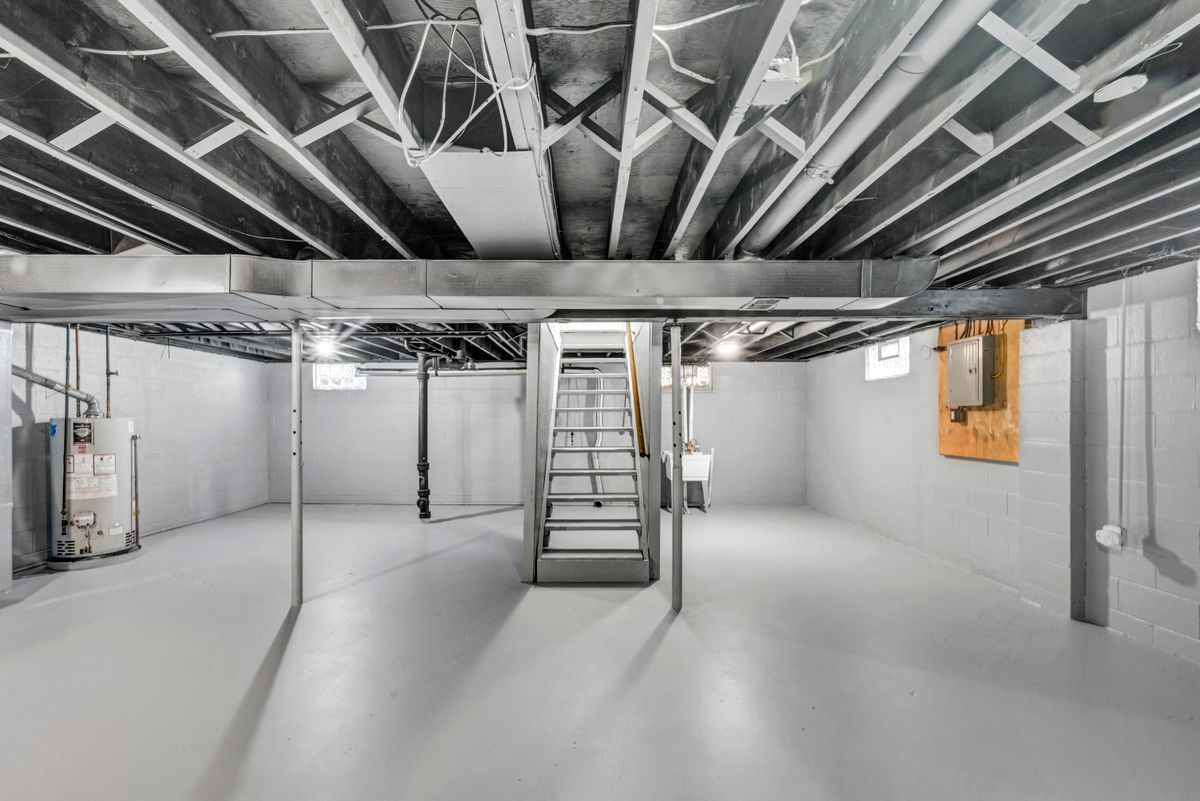
The proper way to send heat elsewhere
Next, the version that works. Natural Resources Canada recommends balancing the ducts rather than blocking the rooms.
Its advice is to “start by partially closing the dampers in the ducts that supply heat to the warmest rooms.” Partially is the key word, and a damper is not a closed register.
Similarly, zone controls exist for some forced air systems, “using zone dampers in main duct passages.” Those are installed and commissioned, not improvised.
Above all, fix the leaks first. Sealing joints “with a water-based duct mastic” reduces warm air loss. Seal and insulate ducts in crawl spaces or attics before anything else.
If one room never warms up, the cause is usually balance rather than capacity. Our guide to one room that is always cold works through it.
What this means around Essa
Essa has a lot of older bungalows and farmhouses with ductwork added over the years. The branch runs often stretch a long way, and the far rooms already ran short on air before anybody closed a register.
Consequently closing air vents here tends to backfire faster than it would in a tight new build. There is less margin in the system to begin with.
Likewise, a finished basement changes everything. Many of our calls in Angus and Thornton start with a renovation that added rooms without adding duct capacity.
Admittedly the spare bedroom nobody enters is a fair exception. One register, closed, with the door left open, will not hurt the furnace.
What to do instead this winter
Firstly, open every register and return, then run the house for two days and see where it is actually cold.
Secondly, look for dampers on the trunk lines in the basement. A small lever on the duct is the adjustment you want.
Thirdly, set a sensible schedule instead. A guide to winter thermostat settings saves more than any register ever did.
Finally, if the furnace is running without a break, read our notes on a furnace that runs constantly before you start closing anything.
Closing vents is a workaround for an uneven house, and sealing is usually the real fix. Our guide to draft proofing explains why the cold room is often cold because of a leak upstairs.
Blocking a supply register is one half of the mistake. Our guide to the cold air return covers the other half, which starves the blower instead.
Talk to Aire One Barrie
We can measure airflow and temperature rise, then balance the ducts so the heat goes where you want it. We serve Essa and the rest of Simcoe County from our Barrie shop.
- 24/7 emergency service, including weekends and holidays
- Temperature rise measured at the plenum
- Duct balancing, sealing and insulation
- Bonded, factory trained and licensed technicians
Frequently asked questions
Does closing air vents in unused rooms save money?
Barely, and only in small numbers. The blower moves the same volume of air either way, so the pressure rises and more warm air escapes through duct leaks. Closing a large share of the registers can cost more than it saves.
How many vents can I safely close?
One or two in a typical house is fine. Beyond that you change the airflow the furnace needs, and Natural Resources Canada warns that reducing airflow too much raises the temperature inside the furnace plenum.
Can closing registers damage the furnace?
It can shorten its life. An overheated plenum trips the limit switch, so the burner stops and starts repeatedly. That cycling wears components and leaves the house less comfortable at the same time.
What about closing the return air grilles?
Never close returns. A room with supply air and no return pressurizes, doors start swinging, and the air has to force its way back through gaps. Returns should stay fully open everywhere.
What is the right way to send less heat to a room?
Use the damper on the duct that feeds it. Natural Resources Canada suggests partially closing dampers on the ducts serving the warmest rooms. For a permanent solution, zone dampers in the main duct passages do the job properly.
Sources
- Natural Resources Canada, Heating with Gas — plenum temperature when airflow is reduced, damper balancing, duct leaks and mastic sealing, zone dampers, and insulating ducts in unheated areas.
- Natural Resources Canada, Smart Thermostats — scheduling and setback guidance.