Two numbers, not one.
The right water heater temperature is 60 degrees in the tank and 49 degrees at the tap. Health Canada asks for both, and here is how a Cookstown home gets them at the same time.


 Licensed technicians
Quick answer
Set the tank to 60 degrees Celsius. Then limit what reaches the tap to 49 degrees with a mixing valve. Health Canada asks for both numbers, because the hot tank holds bacteria down while the cooler tap protects skin. Lowering the tank alone solves one problem and creates another.
One caution applies to rented equipment. If the tank is not yours, check the agreement first, and read how a water heater rental works in Ontario.
Key takeaways
- Health Canada says plainly: “Set the temperature of your water heater to 60°C (140°F).”
- Mixing valves “should be set to allow a hot water temperature of 49°C (120°F).”
- A child’s skin burns in a quarter of the time an adult’s skin takes.
- Tanks set too low let harmful bacteria such as Legionella grow.
- Above all, water heating is 19.3 percent of the energy used in the average Canadian home.
Why one dial cannot do both jobs
First, understand what the thermostat on the tank actually controls. It sets storage temperature, and nothing else.
Hot storage matters because bacteria struggle in it. Health Canada warns that a heater set too low lets “harmful bacteria such as Legionella” grow in the tank.
However, that same hot water then travels straight to the tub. Consequently a safe tank becomes an unsafe tap, unless something sits in between.
So the fix is not a compromise setting. Instead, keep the tank hot and temper the water after it leaves.
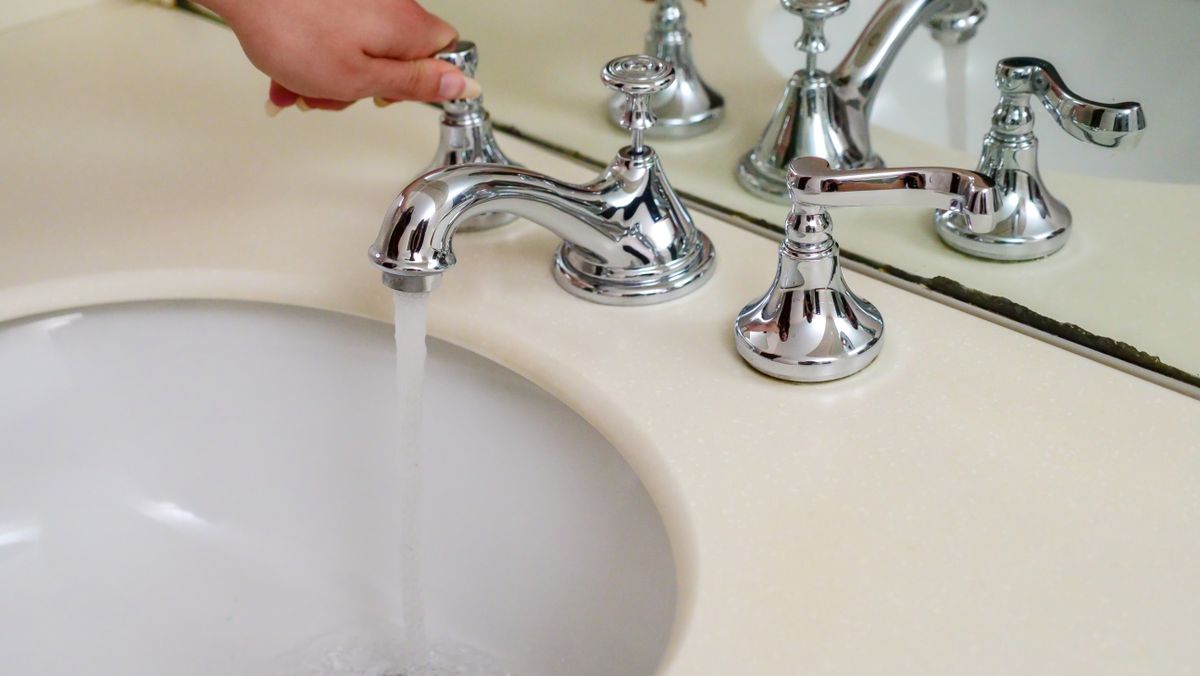
The right water heater temperature for the tank
Sixty degrees Celsius, or 140 Fahrenheit. That is the figure Health Canada publishes, and it is not a suggestion with wide margins.
Secondly, check the dial rather than trusting it. Many tanks are marked only with warm, hot and vacation, which tells you almost nothing.
Therefore measure instead. Run the nearest tap for two minutes, fill a mug, and read it with a kitchen thermometer.
Sediment skews that reading as well, because it insulates the burner from the water. Our guide to flushing a water heater in Gilford explains the fix.
In practice, a reading in the low fifties means the tank is set below the mark. A reading near sixty at an untempered tap means you have the storage right and the delivery wrong.
Forty-nine degrees at the tap, and how to get it
Next, the delivery side. Health Canada is specific here too: mixing valves “should be set to allow a hot water temperature of 49°C (120°F).”
A thermostatic mixing valve sits at the tank outlet. It blends cold water into the hot line, so the house gets 49 degrees while the tank stays at 60.
Alternatively, anti-scald valves can be fitted at individual fixtures. Tubs and showers matter most, because those are where a small body sits in the water.
For example, a family with young children benefits twice over. The tank stays hostile to bacteria, and the bathroom stops being a hazard.
| Setting | What it protects | What it risks |
|---|---|---|
| Tank at 60°C, no mixing valve | Bacteria control | Scalding at every tap |
| Tank at 49°C, no mixing valve | Skin, partly | Bacteria growth in the tank |
| Tank at 60°C with a mixing valve | Both | The cost of the valve |
| Tank above 60°C | Nothing extra | Standby loss and severe scalds |
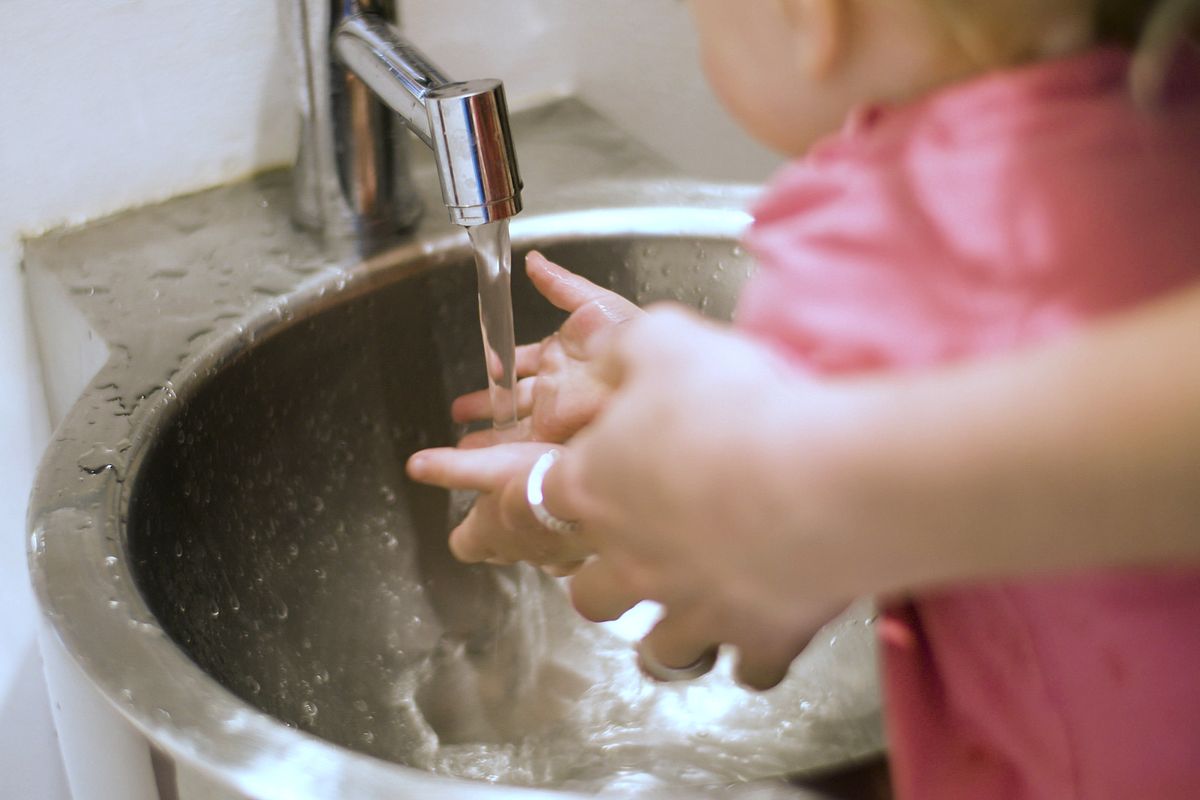
How fast hot water hurts
Thirdly, the part people underestimate. Health Canada puts it in four words: it only takes seconds to burn.
Children are the reason the 49 degree figure exists. Their skin “burns in a quarter of the time it takes an adult’s skin to burn.”
Similarly, older adults and anyone with reduced sensation react more slowly to water that is too hot. A second of delay changes the injury.
Admittedly nobody plans to run a scalding bath. The valve exists for the moment when somebody is not paying attention.
What the setting costs you
Water heating is not a small line on the bill. Natural Resources Canada puts water heaters at “19.3% of total energy used in the average Canadian household,” second only to space heating.
Furthermore, a storage tank spends energy around the clock. As the same guide notes, the heater “is consuming energy even when you’re not using hot water.”
Canadians use an average of 75 litres of hot water each day, so the tank refills and reheats constantly through a Cookstown winter.
Meanwhile, there is an easy saving that costs nothing in safety. Natural Resources Canada suggests insulating the hot and cold pipes “within two to three metres of the water heater.”
If the tank itself is old, our guide to choosing a water heater walks through the replacement options.
What this means around Cookstown
Cookstown homes sit on a mix of municipal water and private wells, and the well houses tend to run longer pipe runs to the bathroom.
Consequently the water loses heat on the way, and people respond by turning the tank up. That is the wrong lever, because it raises the risk at every other fixture.
In fact, the better answer is usually pipe insulation plus a mixing valve. The tap gets steady water, the tank stays at the safe storage number.
Likewise, older houses here often have no mixing valve at all. The same vintage of house often shows up in our notes on ductless heating in Cookstown. The tank was set low years ago by somebody worried about the children, and nobody revisited it.
A short check you can run today
Firstly, measure the water at the kitchen tap after two minutes of running. Write the number down.
Secondly, look at the pipe leaving the top of the tank. A mixing valve looks like a small brass body with a numbered cap on it.
Thirdly, if there is no valve and the tap reads near 60, the house is running hotter than Health Canada recommends at the fixtures.
Finally, if the tap reads in the low fifties with no valve, the tank is too cool for bacteria control. While you are down there, check for damp around the base, because water pooling near heating equipment has its own causes. Either way, one visit fixes it properly.
Temperature is one setting, and corrosion is the other half of tank life. Our guide to the water heater anode rod covers the sacrificial part that protects the steel.
Talk to Aire One Barrie
We can measure your water heater temperature at the tank and at the tap, then set both to the published numbers. We serve Cookstown and the rest of Simcoe County from our Barrie shop.
- 24/7 emergency service, including weekends and holidays
- Tank and tap temperatures measured, not estimated
- Mixing valve supply and installation
- Bonded, factory trained and licensed technicians
Frequently asked questions
What water heater temperature does Health Canada recommend?
Sixty degrees Celsius, or 140 Fahrenheit, in the tank. Health Canada also asks that mixing valves be set to allow 49 degrees Celsius at the tap, so the storage temperature and the delivery temperature are two separate numbers.
Is 49 degrees safe to store water at?
No. Health Canada warns that a water heater set too low allows harmful bacteria such as Legionella to grow. Storage belongs at 60 degrees, and the lower figure belongs at the fixture.
Do I need a mixing valve?
If you want 60 degrees in the tank and 49 at the tap, yes. A thermostatic mixing valve at the tank outlet blends in cold water, so the house never sees storage temperature. Anti-scald valves at individual tubs and showers are the other option.
How do I check my water heater temperature?
Run the nearest tap for two minutes, fill a mug, and read it with a kitchen thermometer. Do not rely on the markings on the tank dial, because warm and hot are not measurements.
Does a hotter tank cost much more to run?
It costs something, since a storage tank loses heat continuously. Natural Resources Canada notes the heater consumes energy even when no hot water is being used, and water heating is 19.3 percent of household energy. Insulating the pipes near the tank is the cheaper saving.
Sources
- Government of Canada, Water temperature and burns and scalds — the 60 degree tank setting, the 49 degree mixing valve setting, bacteria risk and how quickly a child’s skin burns.
- Natural Resources Canada, Guide to residential water heaters — the 19.3 percent share of household energy, standby consumption, daily hot water use and pipe insulation.