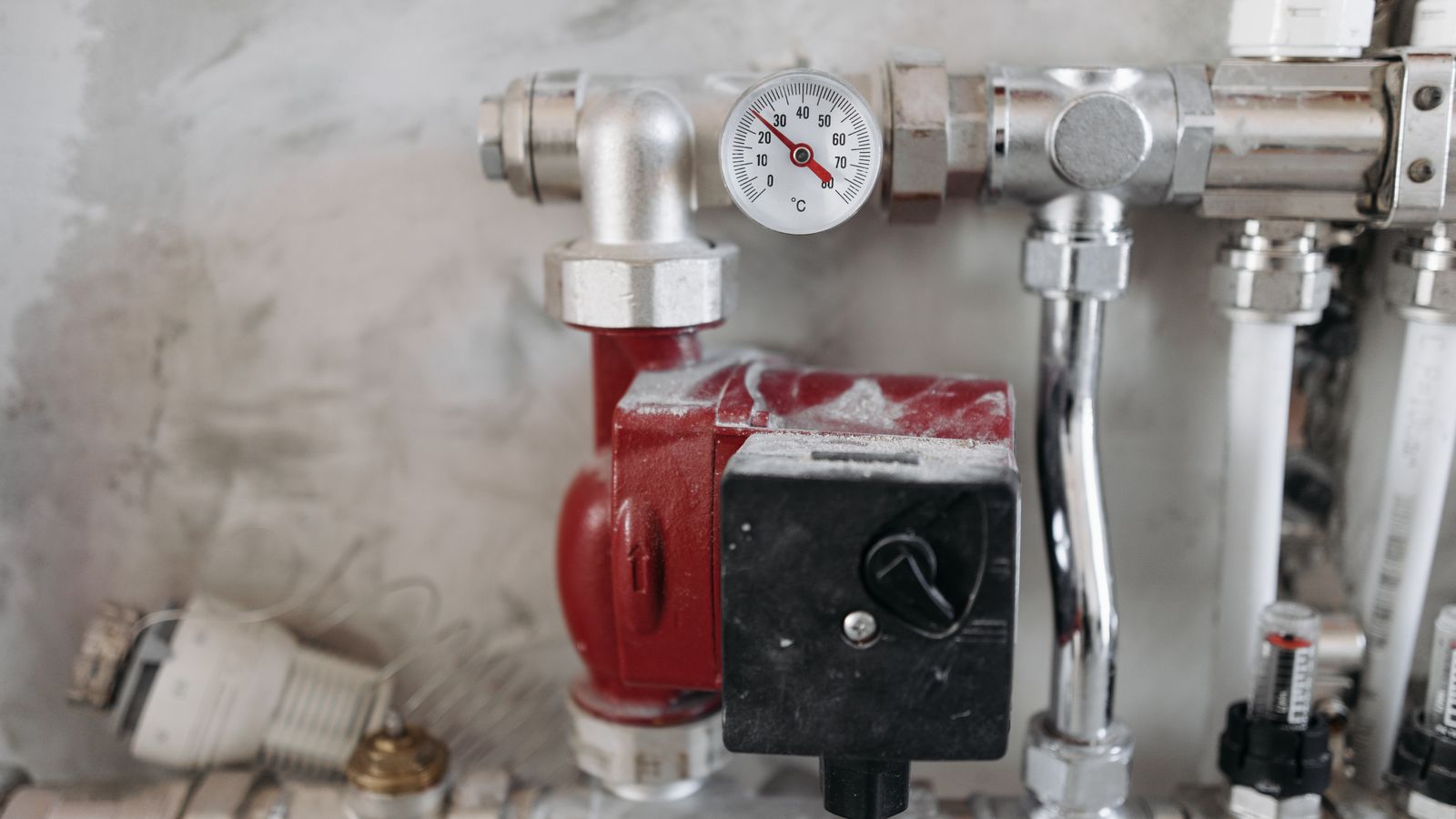
Sediment is the quiet reason tanks die early.
Draining a little water costs nothing and buys years. Draining an old, neglected tank can finish it off instead. Knowing which case you have matters more than the procedure.


 Licensed technicians
Quick answer
Flushing a water heater clears the mineral sediment that settles on the bottom of the tank. That layer insulates the burner from the water, so the unit burns more gas and the steel runs hotter than it should. A small, regular draw costs nothing. However, a full drain on a tank that has gone a decade without one can expose a leak the sediment was plugging.
Key takeaways
- Firstly, sediment is minerals from your water supply, not dirt.
- Water quality decides how long a tank lasts, more than anything else.
- A small monthly draw beats one heroic drain every ten years.
- Rumbling or popping from the tank is the usual first symptom.
- Above all, an old or already weeping tank should be looked at, not flushed.
What sediment actually is
First, the material itself. Sediment is dissolved mineral content that drops out of the water when it heats, then settles.
In fact, Natural Resources Canada puts the stakes plainly. “Water quality is the single most important factor affecting the life of the water heater.”
Therefore the same model lasts different lengths of time in different houses. In practice, two neighbours on different supplies see very different results.
Gas tanks suffer most, because the burner sits underneath. Consequently every millimetre of sediment stands between the flame and the water it is meant to heat.
By contrast, electric units behave differently. Here the sediment buries the lower element instead, which then runs hot and fails early.
Signs that point to sediment
Secondly, the symptoms. They arrive gradually, which is why most people miss them.
Then there is the noise. Rumbling or popping during a heating cycle is the classic one. Water trapped under the sediment layer boils, and that noise is the steam escaping through it.
Meanwhile the hot water runs out sooner than it used to. That is because sediment occupies volume that once held water.
You may also notice the burner running longer for the same showers. Besides, grit at the bottom of a drawn glass of hot water tells you the same story.
If the problem is temperature rather than quantity, look elsewhere first. Our guide to water heater temperature settings covers that case.
What flushing a water heater involves
Thirdly, the routine itself. The light version is genuinely simple.
Inspection guidance used in the trade suggests a small, frequent draw: “Monthly drain a gallon of water from the tank to remove silt and sediment.”
In other words, a few litres from the drain valve into a bucket. Done often, that keeps the layer from ever building.
By contrast, a full flush is a bigger job. It means shutting the gas control to pilot or the breaker off, closing the cold inlet, running a hose to a drain, and refilling before relighting.
Furthermore, two related checks belong in the same visit. The same guidance says to “Once a year, check the TPR valve,” and “Every two years inspect the anode rod and replace when necessary.”
That anode is the part doing the quiet work. Natural Resources Canada describes it as “a metal rod of magnesium or aluminium alloys that is inserted into the tank from the top,” there “to protect the inside of the tank from corrosion.”
| Task | How often |
|---|---|
| Small draw from the drain valve | Monthly |
| Temperature and pressure relief valve check | Yearly |
| Anode rod inspection | Every two years |
| Anode inspection with a softener fitted | More often than that |
| Full drain and refill | Case by case, see below |
When flushing a water heater is the wrong move
However, this is where good advice turns bad. In short, a full drain is not automatically safe.
On a tank that has run ten years untouched, sediment can be sitting against a corroded spot. Draining it sometimes reveals the leak it was holding back.
Meanwhile, plastic drain valves are the other common casualty. They go brittle with age, and some never seat again once opened.
So the honest rule is about age and history. A young tank flushed regularly is routine, while an old tank flushed for the first time is a gamble.
If yours already shows damp patches, stop. Our guide to a water heater leaking explains what those marks usually mean.
The safety parts people skip
Next, the hazards. Two of them deserve more respect than they usually get.
Scalding is the first. Natural Resources Canada warns that water at 60°C can scald in under five seconds, and a drained hose carries exactly that.
Then comes combustion. The federal guide advises that “As a minimum, you should install a carbon monoxide sensor in the vicinity of all combustion appliances.”
Relighting matters too, since a gas control returned to the wrong setting leaves you without hot water or worse. Our guide to no hot water covers that outcome.
Likewise, never add insulation to the outside of a gas unit. The same guide warns the wrap “could block the airflow to the burner and vent and create a serious safety hazard.”
What flushing a water heater means around Gilford
Gilford sits on the Innisfil shoreline, and plenty of properties here draw from wells rather than municipal supply.
Well water generally carries more mineral content, so sediment builds faster. Consequently the monthly draw matters more here than it does in a serviced subdivision.
Still, softeners complicate it slightly. Trade guidance notes that “The use of a water softener may increase the speed of the anode consumption, so more frequent inspections are recommended.”
Seasonal properties add a third wrinkle. A tank that sits idle for months, then runs hard all summer, ages on its own schedule.
We serve Innisfil and the surrounding parts of Simcoe County, and we see all three patterns regularly.
Repair, maintain or replace
Finally, the decision behind the maintenance. Flushing extends a healthy tank, but it does not rescue a failing one.
A unit under about six years old, flushed and with a sound anode, has plenty of life ahead. So maintenance is worth your time there.
Past roughly twelve years the calculation changes. In practice, spending on an old tank buys months, not years.
Moreover, a replacement raises the venting question. Where the tank shares a chimney with the furnace, read about the chimney liner question before you choose.
If you would rather not own that decision at all, our notes on a water heater rental set out the trade-offs.
Talk to Aire One Barrie
We check the relief valve, the anode and the burner on the same visit, and we tell you honestly when a tank is past flushing. We serve Innisfil and the rest of Simcoe County from our Barrie shop.
- 24/7 emergency service, including weekends and holidays
- We inspect the anode and relief valve, not just the burner
- Straight answers on whether an old tank should be drained
- Bonded, factory trained and licensed technicians
Frequently asked questions
How often should I be flushing a water heater?
A small draw from the drain valve every month keeps sediment from settling, and trade inspection guidance suggests about a gallon at a time. A full drain is a separate decision that depends on the age and condition of the tank.
Can flushing a water heater make a leak worse?
Yes, on an older tank it can. Sediment sometimes sits against a corroded area, and draining it can reveal the weakness underneath. A tank that is already damp should be inspected rather than drained.
Why does my tank rumble?
Water trapped beneath a sediment layer boils and forces steam up through it, which produces the popping or rumbling sound. It usually means the layer is thick enough to be costing you gas.
What is the anode rod for?
Natural Resources Canada describes it as a magnesium or aluminium rod fitted into the tank to protect the steel from corrosion. It wears out over time, and how fast depends on the mineral content of your water.
Does a water softener help the tank last longer?
It reduces sediment, but it has a trade-off. Inspection guidance notes that a softener may speed up how quickly the anode is consumed, so the anode needs checking more often rather than less.
Sources
- Natural Resources Canada, Water Heater Guide — water quality as the single most important factor in tank life, the galvanic anode and what it is made of, anode wear and water hardness, scalding at 60°C, carbon monoxide sensors near combustion appliances, and the warning against insulating a gas unit.
- InterNACHI, Inspecting Water Heater Tanks in Residential Dwelling Units — the monthly one gallon draw, yearly relief valve check, anode inspection every two years, and faster anode consumption where a softener is fitted.