The safety switch that refuses to light a furnace that cannot breathe.
A furnace pressure switch proves the venting works before any gas flows. When it trips, the furnace is usually protecting you, not failing you.


 Licensed technicians
Quick answer
A furnace pressure switch confirms that the draft inducer is moving combustion gases out through the vent before the furnace lights. If something blocks the vent or the draft is weak, the switch stays open and the furnace refuses to ignite. Carrier’s troubleshooting guide lists causes such as “Inadequate combustion air supply” and a “Restricted vent.” Therefore a tripped pressure switch is a warning about venting, and nobody should ever bypass it.
Key takeaways
- Firstly, the pressure switch proves the venting works before gas flows.
- A blocked vent, a weak inducer or a plugged drain can keep it open.
- Snow-covered vents are a common winter cause in Simcoe County.
- The furnace flashes a code when the switch does not respond.
- Above all, never jump or bypass the switch, because it guards against carbon monoxide.
What does a furnace pressure switch do?
Firstly, it is a safety check. Before the burners light, a small fan called the draft inducer starts and pulls air through the furnace and out the vent.
Then the furnace pressure switch senses that draft. Carrier’s service guide describes the sequence: “When sufficient pressure is available the high-heat pressure switch HPS closes, and the high-heat gas valve solenoid GV-HI is energized.”
In other words, no proven draft means no gas. The furnace will not light until the switch confirms that exhaust has somewhere to go.
Think of it as the furnace asking one question before every cycle: is the exhaust path open? Only a clear yes lets the burners light.
Moreover, newer furnaces watch the vent even more closely. Carrier’s variable-speed guide notes that inducer speed “is used to evaluate vent system resistance.”
What trips a furnace pressure switch?
In practice, venting is the usual suspect. Carrier lists a “Restricted vent” among the causes of a pressure switch fault.
Then there is the air coming in. The same guide lists “Inadequate combustion air supply” as another cause.
Next, the inducer itself can weaken. A tired inducer motor may not pull enough draft to close the switch.
On high efficiency furnaces, technicians also check the condensate system. Water that cannot drain can upset the pressure readings, and our guide to a furnace leaking water covers that drain.
Finally, the switch, its tubing or its wiring can fail. That is the least common answer, so it should be the last one a technician reaches for.
| What trips the switch | What a technician checks |
|---|---|
| Snow or ice over the vent | Vent and intake terminals outside |
| Restricted vent pipe | Vent run, joints and slope |
| Too little combustion air | Intake pipe and room air supply |
| Weak draft inducer | Inducer motor and wheel |
| Water in the condensate system | Drain, trap and hoses |
| Failed switch or tubing | Switch operation and connections |
How do I know the pressure switch is the problem?
In most cases, the furnace tells you. The inducer starts, runs for a while, and then the furnace stops without lighting.
Meanwhile, a status light on the control board starts flashing a code. Carrier’s guides list pressure switch faults among those codes, including one that “indicates low pressure switch is closed at call, or fails to close after call.”
Then the furnace waits. Carrier explains that if the low heat switch “fails to close within 5 minutes,” the control pauses and tries again later.
Besides the light, listen to the timing. A furnace that hums for a minute and then goes quiet without a flame is often waiting on its pressure switch.
So a pattern of fan noise, no flame and a pause is a strong clue. However, an igniter or flame sensor fault can look similar, which is why the code matters.
Why you should never bypass a furnace pressure switch
Admittedly, jumping the switch with a wire can make a furnace light. That is exactly the danger.
However, the switch exists to stop combustion when exhaust cannot escape. Bypass it, and the furnace can run with a blocked vent.
The Technical Standards and Safety Authority is blunt about blocked vents: “We have seen CO poisoning incidents from snow-blocked vents in the past, and these incidents can be fatal.”
Moreover, even technicians handle this carefully. Carrier’s guide warns that “caution must be taken when manually closing this switch for service purposes.”
Above all, Carrier’s troubleshooting guide states that “only trained and qualified personnel should install, repair, or service heating equipment.”
In short, a furnace that refuses to light because of its pressure switch is doing its job. The fix is the cause, never the switch.
What can I safely check myself?
Firstly, go outside. Look at the vent and air intake pipes on the exterior wall and make sure snow, ice or debris is not covering them.
TSSA advises clearing snow from vents “carefully with a car brush or broom.” It also warns against scraping a vent pipe with a sharp instrument.
Next, check the filter and the furnace switch. Our guide to a furnace not turning on covers those checks in order.
Then stop. If the vents are clear and the furnace still faults, the rest is a job for a technician.
Meanwhile, keep the carbon monoxide alarms working. TSSA encourages homeowners to “install and test certified CO alarms.”
What a furnace pressure switch fault means around New Tecumseth
Firstly, the area. New Tecumseth covers Alliston, Beeton and Tottenham in the south of Simcoe County.
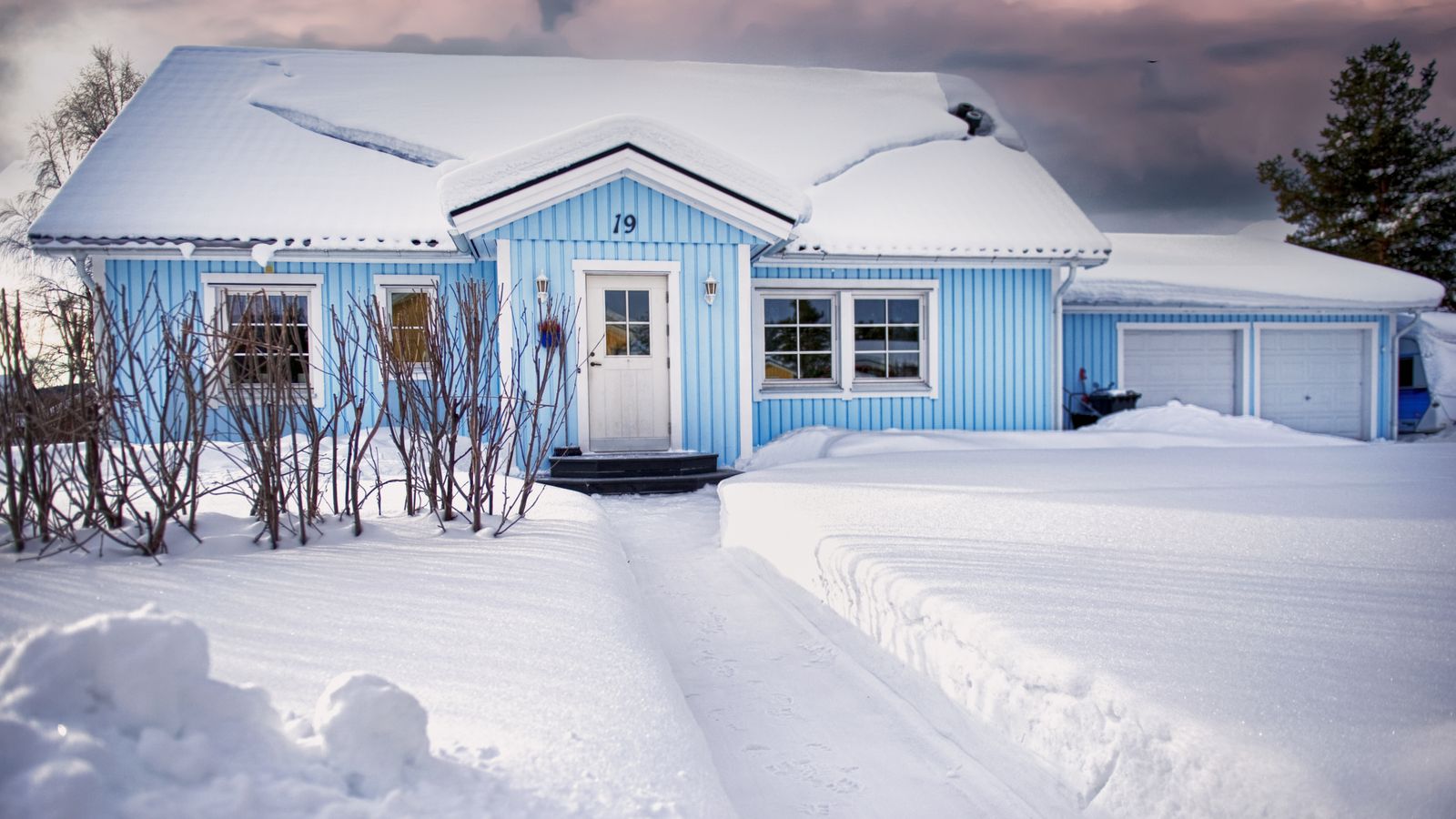
In practice, winter wind and drifting snow are the local risk. Drifting snow can bury a vent on the windward side of a house overnight, and the furnace will stop to protect the household.
Consequently, a clear vent is the first thing to check after any storm. Our guide to a furnace vent blocked by snow covers what to clear and what never to do.
Meanwhile, we serve homes across the town, including our Alliston heating and cooling customers, with 24/7 emergency service through the winter.
What happens on the service call?
Firstly, the technician reads the fault code and confirms the sequence. That separates a venting problem from an ignition one.
Next, the technician inspects the vent, intake and condensate system. Many pressure switch calls end there, with a cleared blockage rather than a new part.
Then the technician tests the inducer and the switch itself. We replace a switch only when testing proves it faulty.
Finally, the furnace runs through full cycles. If it is short cycling as well, our guide to furnace short cycling explains why that matters.
If you need help now, our furnace repair team covers venting and pressure switch faults across the county.
To read the flashing light yourself, our guide to furnace error codes covers the steps.
Talk to Aire One Barrie
We find out why the pressure switch tripped before replacing anything, and we check the venting on every visit. We serve New Tecumseth and the rest of Simcoe County.
- 24/7 emergency service, including weekends and holidays
- Venting, intake and condensate checked together
- Fault codes read and explained
- Bonded, factory trained and licensed technicians
Frequently asked questions
What does a furnace pressure switch do?
It confirms that the draft inducer is moving exhaust out through the vent before the furnace lights. If the draft is not proven, the switch stays open and the gas valve does not open.
What causes a furnace pressure switch to trip?
Common causes are a blocked or restricted vent, too little combustion air, a weak inducer motor, or a condensate problem on a high efficiency furnace. Carrier lists inadequate combustion air supply and a restricted vent among the causes.
Can I bypass a furnace pressure switch?
No. The switch stops the furnace from running when exhaust cannot escape. TSSA warns that carbon monoxide incidents from snow-blocked vents can be fatal.
Can snow cause a pressure switch fault?
Yes. Snow or ice over the vent or intake can block the draft and keep the switch open. TSSA advises clearing vents carefully with a car brush or broom.
Will the furnace restart on its own?
Often it retries. Carrier’s guide explains that if the low heat pressure switch fails to close within five minutes, the control pauses and tries again. Repeated faults need a technician.
Sources
- Two-Stage Induced-Combustion Furnace Troubleshooting Guide, Carrier: the pressure switch closing when sufficient pressure is available, inadequate combustion air supply and a restricted vent as causes, the five-minute retry, the caution on manually closing the switch, and only trained and qualified personnel servicing heating equipment.
- Variable-Speed Condensing Furnace Troubleshooting Guide, Carrier: inducer speed used to evaluate vent system resistance, and the low pressure switch fault code.
- Keep Gas Meters and Fuel-Burning Appliance Vents Free from Snow and Ice, TSSA: fatal carbon monoxide incidents from snow-blocked vents, clearing vents with a car brush or broom, and installing and testing certified CO alarms.