
Two numbers do most of the work.
Natural Resources Canada gives a simple guide for winter thermostat settings, and Springwater Township sets a floor you cannot go under in a rented home. Here is how both fit together.


 Licensed technicians
Quick answer
For winter thermostat settings, Natural Resources Canada suggests 20°C while you are awake and at home, and 17°C while you are asleep or out. It also says a drop of two to three degrees is the sweet spot. A rented Midhurst home has a second number. The Springwater property standards by-law calls for heating that holds at least 21°C, from September 15 to June 1.
Key takeaways
- Natural Resources Canada: "program 17°C when you are sleeping or not at home, and 20°C when you are awake and at home."
- The same page says "lowering the temperature two to three degrees Celsius is optimal," so a deeper setback is not automatically a better one.
- Springwater by-law 2024-074 requires a heating system that maintains "not less than 21 degrees Celsius" in a dwelling, between September 15 and June 1.
- The thermostat reports one spot in the house, not the room you are sitting in.
- A schedule only saves anything if the house can actually recover before you want it warm.
The two numbers behind good winter thermostat settings
Most advice about winter thermostat settings is somebody's opinion. This part is not.
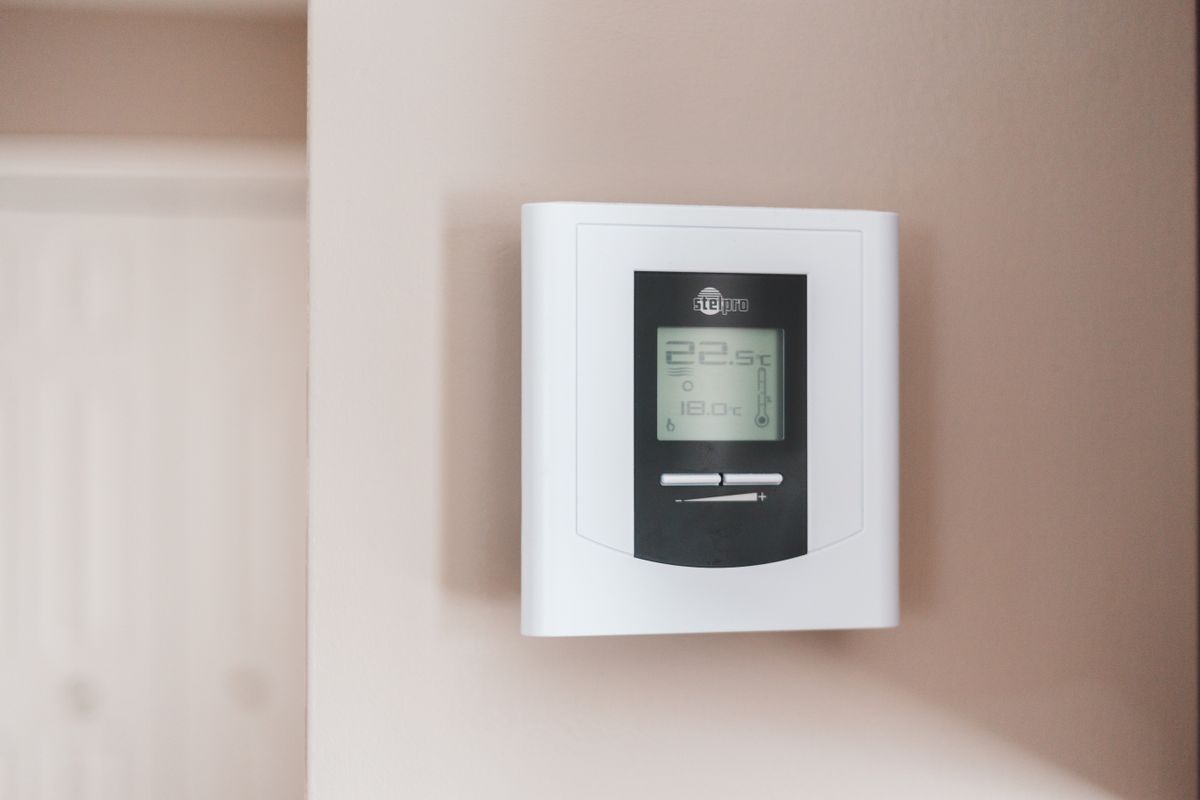
Natural Resources Canada, on its ENERGY STAR page for smart thermostats, puts it in one line. "A good guide is to program 17°C when you are sleeping or not at home, and 20°C when you are awake and at home."
That is the whole schedule for most households. Warm when the house is in use. Cooler when it is empty or everyone is under a duvet.
The second sentence matters just as much, and far fewer people have read it. "Lowering the temperature two to three degrees Celsius is optimal for saving energy and keeping your home comfortable."
So the recommended setback is modest. Three degrees, not eight.
Midhurst has a legal floor as well
Here is the part no national article will tell you, because it is local.
Midhurst sits in Springwater Township. Springwater passed property standards by-law 2024-074 in September 2024, and section 14.8 covers heat directly.
It requires that "a heating system is provided and operated so as to maintain a minimum of not less than 21 degrees Celsius, between the 15th day of September to the 1st day of June of the following year."
Read that against the national guidance and the two do not quite line up. The by-law floor sits a degree above the daytime number. It sits four degrees above the overnight one.
Property standards rules like this one are usually enforced on complaint, and in practice that means rented housing. If you own and live in your own house, nobody is coming to read your thermostat. If you rent out a property in Springwater, that clause is the standard your heating has to meet.
Either way, the by-law tells you something useful. The township considers a dwelling that cannot hold 21°C in February to be below standard. If yours cannot, that is a heating problem, not a thermostat problem.
Why a deeper setback often disappoints
People hear that setbacks save money and reach for the biggest one they can stand. Then the schedule quietly stops working.
The reason is recovery time. A furnace has a fixed output. Drop the house eight degrees overnight. The furnace has to climb all of that back before your alarm goes off.
In a well-insulated house with a correctly sized furnace, that climb is quick. In an older Midhurst house with long duct runs, it is not. The thermostat calls for heat at five in the morning and the house is still catching up at seven.
Two things follow. The rooms furthest from the furnace never reach the number at all. The furnace also runs in one long block, which is the opposite of the even, gentle heat people set a schedule for.
That is why the national guidance stops at two or three degrees. It is the setback that a normal system can actually recover from.
The thermostat measures one spot
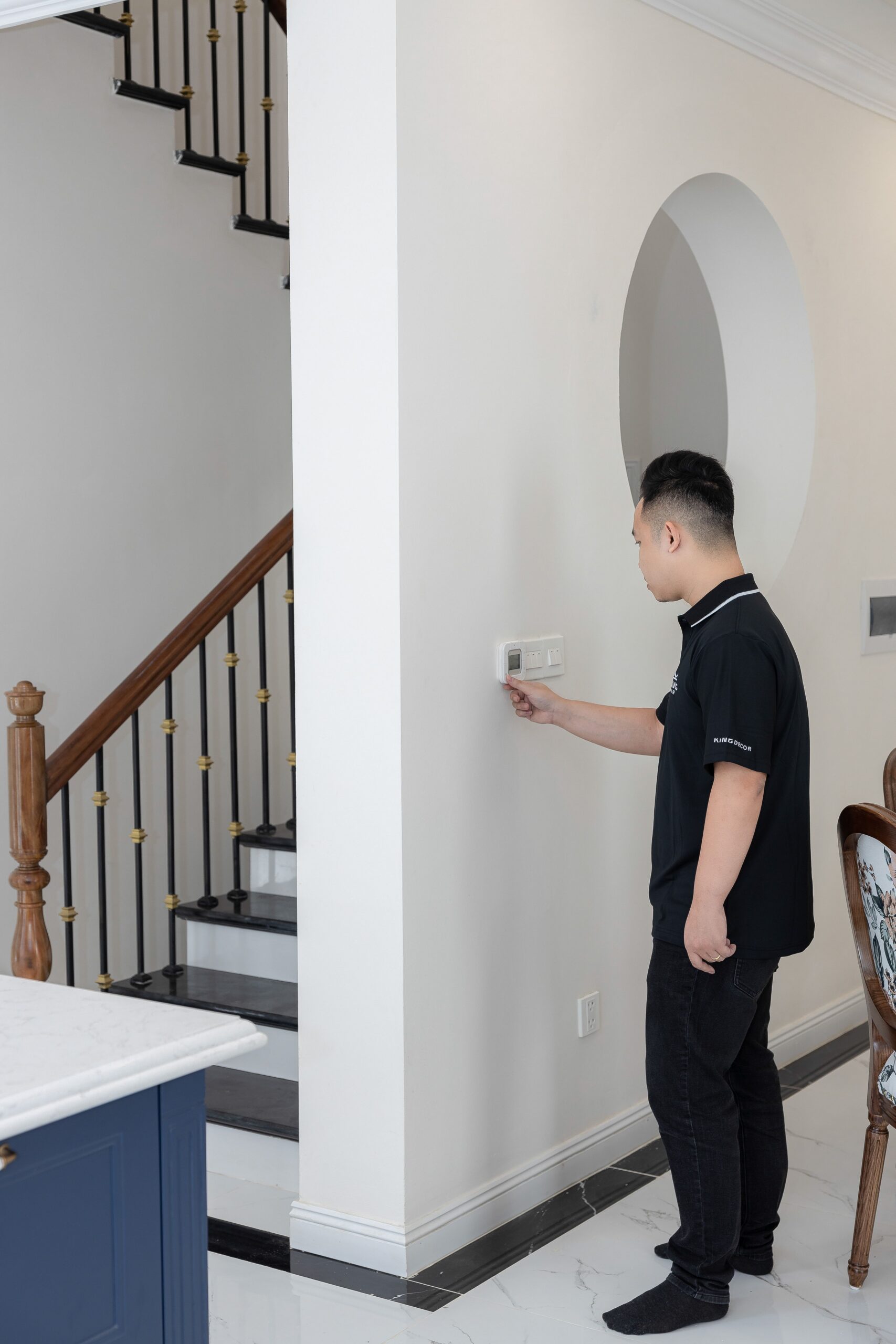
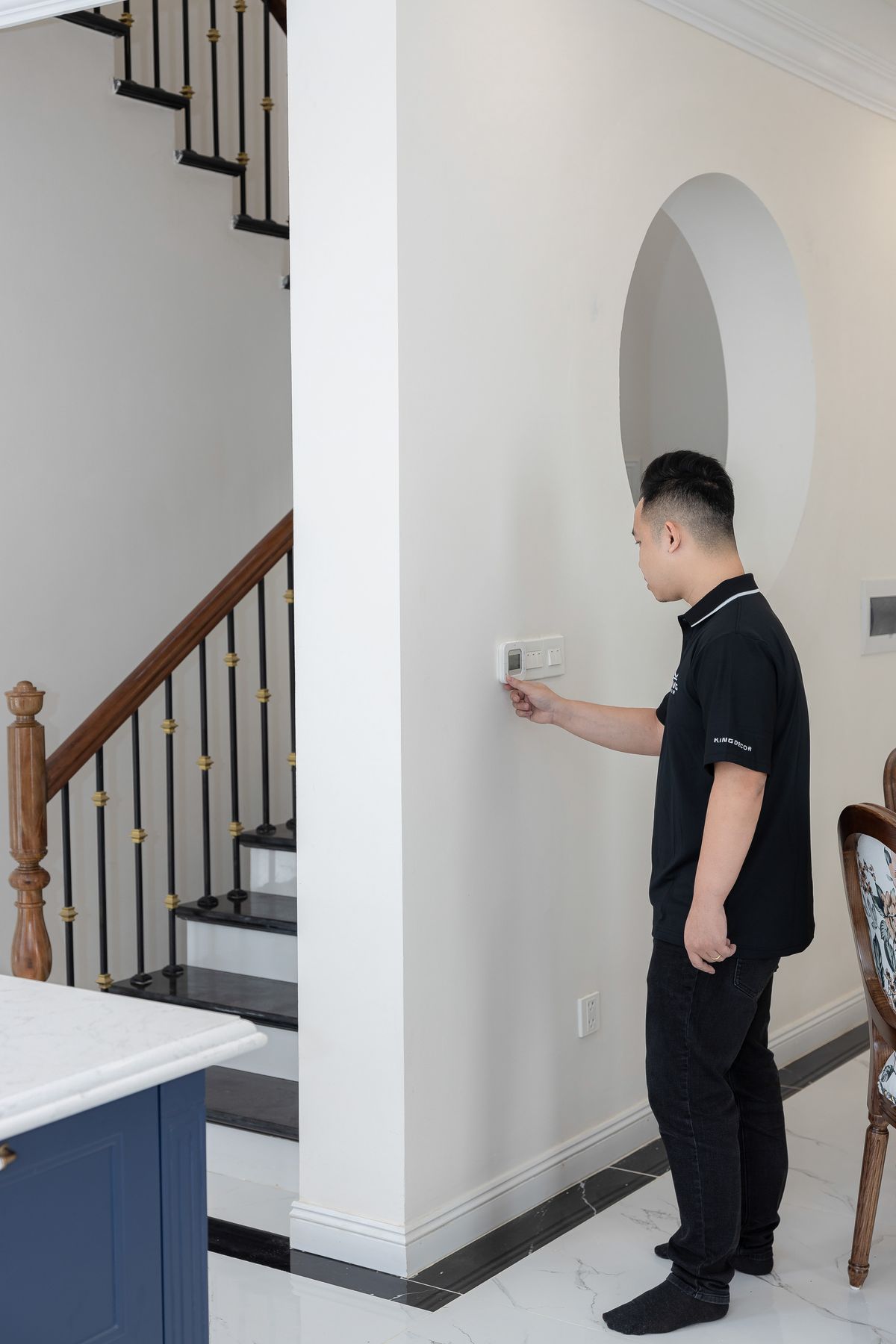
A thermostat is a thermometer with a switch attached. It reports the temperature of the wall it is screwed to, and nothing else.
Put it in a drafty hallway. It reads colder than the house, so the furnace runs longer than it needs to. Put it in afternoon sun, or above a supply register, and it reads warmer. The furnace stops early and the bedrooms stay cold.
This is the same mechanism behind one room that is always cold. The dial is honest about where it is. It just is not where you are.
Before you blame your winter thermostat settings, check what the thermostat can see. A cheap room thermometer in the cold bedroom for a couple of nights will tell you more than any schedule.
A schedule that suits a Simcoe County winter
Here is the national guidance turned into a week, with the recovery problem allowed for.
| When | Setting | Why |
|---|---|---|
| Morning, awake and at home | 20°C | The national guide for occupied hours |
| Out for the day | 17°C | Nobody is there to feel it |
| Start warming before you return | 20°C | Recovery takes time, so begin it early |
| Evening at home | 20°C | The hours comfort actually matters |
| Overnight | 17°C | Blankets do this part better than gas |
| Rented dwelling in Springwater | 21°C minimum | By-law 2024-074, September 15 to June 1 |
Set the warm-up to begin about an hour before you want the house comfortable. If it is still cool when you get there, move it earlier rather than raising the number. Cranking the dial to 26°C does not heat the house any faster, because the furnace has one speed.
What this means around Midhurst
Many Springwater properties sit on open lots with little shelter from the wind. A house that loses heat quickly recovers slowly. The setback that works in a sheltered subdivision can be too deep here.
We see another pattern in older Midhurst houses. The thermostat sits in a hallway that was the centre of the house forty years ago. Then an addition went on, and that hallway is now in the wrong place.
Moving a thermostat is a small job. It is often the cheapest comfort improvement in the house.
How low is too low
Setting back is not the same as letting the house go cold. Plumbing is the limit. Pipes in exterior walls, crawl spaces and unheated basements are at risk once those spaces approach freezing. That happens well before the hallway thermostat reads anything alarming.
If you are leaving the house empty for days in January, do not drop it to 10°C and hope. A split pipe costs more than a winter of heating.
When the schedule is not the problem
Sometimes the winter thermostat settings are fine and the house still will not hold the number.
Three signs point at the equipment instead. The furnace starts and stops in short bursts rather than steady runs, which is furnace short cycling. Air from the vents never feels properly warm. Or a house that used to reach 21°C easily now struggles to.
Those are equipment symptoms, and no schedule fixes them. A maintenance visit measures what the system actually delivers. That is the only way to tell a thermostat problem from a furnace problem.
Talk to Aire One Barrie
If your house cannot hold the number you set, we can tell you why. We service Midhurst and the rest of Springwater Township from our Barrie shop.
- Thermostat placement checked against where you actually live
- Airflow measured room by room, not guessed
- Upfront pricing before the work starts
- Bonded, factory trained and licensed technicians
Frequently asked questions
What temperature should I set my thermostat to in winter?
Natural Resources Canada suggests 20°C while you are awake and at home, and 17°C while you are asleep or out. Those are the winter thermostat settings to start from. A rented dwelling in Springwater Township has a floor as well, because the property standards by-law requires at least 21°C between September 15 and June 1.
How far should I turn the thermostat down at night?
Natural Resources Canada says a drop of two to three degrees Celsius is optimal. That saves energy while keeping the home comfortable. A deeper setback can leave the furnace unable to recover the heat before morning.
Does turning the thermostat up higher heat the house faster?
No. A furnace produces heat at one rate, so setting 26°C instead of 20°C does not speed up the climb. It only means the furnace runs past the point you wanted and overshoots.
Why is my house colder than the number on the thermostat?
The thermostat only measures the air at its own location. A hallway thermostat in a draft reads low. One in afternoon sun or above a register reads high. Rooms away from it sit at a different temperature entirely.
Is there a legal minimum temperature in Midhurst?
Yes. Springwater Township property standards by-law 2024-074 requires a heating system that maintains not less than 21 degrees Celsius in a dwelling. The seasonal clause runs from September 15 to June 1. Rules of this kind are generally enforced on complaint, which in practice means rented housing.
Sources
- Natural Resources Canada, Smart Thermostats — the 17°C and 20°C guide, and the two to three degree setback.
- Township of Springwater, Property Standards By-law 2024-074 — section 14.8, heating to not less than 21 degrees Celsius between September 15 and June 1.