Barrie · Furnace savings guide
A high-efficiency furnace can cut the gas you burn for heat by 15% to 40%, depending on what you are replacing. Here is the math for a Barrie home.
- Licensed technicians
- Free, detailed estimates
- 24/7 emergency service
Quick answer
High-efficiency furnace savings depend on the gap between your old furnace’s AFUE rating and the new one. Replacing a 60% AFUE furnace with a 96% model uses about 37% less gas for the same heat. Replacing an 80% unit saves about 17%. In Barrie, where space heating is the biggest energy cost in the home, that gap shows up on every winter bill.
Key takeaways
- High-efficiency furnace savings = 1 minus (old AFUE divided by new AFUE). A 70% to 96% upgrade saves roughly 27% of heating gas.
- Canada’s Energy Efficiency Regulations require most new gas furnaces made since July 3, 2019 to be at least 95% AFUE, so almost any new furnace is “high-efficiency” now.
- Space heating is 61% of the energy an average Canadian home uses, so furnace efficiency matters more than any appliance.
- The Home Renovation Savings Program does not rebate a gas furnace on its own in 2026, but it does cover smart thermostats and heat pumps. Check the official page before you count on it.
- A furnace that is 15 years or older, below 80% AFUE, or needing repeat repairs is usually where the upgrade pays back fastest.
What does AFUE mean, and why does it decide your savings?
AFUE (Annual Fuel Utilization Efficiency) is the percentage of the fuel a furnace turns into heat for your home over a full heating season. A 96% AFUE furnace sends 96 cents of every gas dollar into the house and loses 4 cents up the vent. A 60% AFUE furnace loses 40 cents. The difference between those two numbers is where high-efficiency furnace savings come from.
Natural Resources Canada groups furnaces into three bands:
- Low-efficiency (56% to 70% AFUE): older furnaces with a standing pilot light and a natural-draft vent. Many Barrie homes built before the 1990s still have one.
- Mid-efficiency (80% to 83% AFUE): electronic ignition and a draft fan, metal vent through the chimney or wall.
- High-efficiency (90% to 98% AFUE): condensing furnaces with a second heat exchanger and white PVC intake and exhaust pipes through the wall.
Since July 3, 2019, Canada’s Energy Efficiency Regulations have required most new residential gas furnaces to reach at least 95% AFUE (an 80% “replacement non-condensing” category exists for the rare home that cannot vent a condensing unit). ENERGY STAR certified gas furnaces in Canada also start at 95% AFUE, with a 2% air-leakage limit and an efficient fan motor. So when you shop today, the real question is not “high-efficiency or not”, it is “how much better than my current furnace”.

How much are the high-efficiency furnace savings when you upgrade?
Use this formula: savings on heating gas = 1 − (old AFUE ÷ new AFUE). It assumes the new furnace is sized correctly and the house, thermostat habits and gas rate stay the same. Here is what the formula gives for a new 96% AFUE furnace, with a worked example based on a home that spends $1,200 a year on natural gas for heating (your own bill will differ):
| Furnace you are replacing | Typical AFUE | Heating gas saved | Example: $1,200/yr heating cost |
|---|---|---|---|
| Old standing-pilot furnace (pre-1990s) | 60% | about 37% | about $450 saved per year |
| Older natural-draft furnace | 70% | about 27% | about $325 saved per year |
| Mid-efficiency furnace (1990s to 2000s) | 80% | about 17% | about $200 saved per year |
| Early condensing furnace | 90% | about 6% | about $75 saved per year |
Two things change the real number. First, these figures are for the gas used for heating only, not your whole gas bill (water heating, cooking and a gas fireplace are separate). Second, the fan matters: a new furnace with a variable-speed ECM blower uses far less electricity than an old single-speed motor, which adds a smaller saving on the hydro side. Your Aire One Barrie technician can read the AFUE off your current furnace’s rating plate and give you a number for your home, not a chart.
Why do Barrie homes see bigger savings than the national average?
High-efficiency furnace savings are larger in Barrie because the heating season is long and the furnace runs more hours. Natural Resources Canada reports that space heating made up 61% of all residential energy use in Canada in 2020, and natural gas supplied 53% of that heating energy. In Simcoe County, with lake-effect snow off Georgian Bay and cold snaps that run from November into March, the furnace is the single biggest line on the energy bill. Every percentage point of efficiency is multiplied by more run time than a Toronto home would see.
The same report notes that high-efficiency gas furnaces grew from 8.8% of Canadian heating systems in 2000 to 33.2% in 2020, and credits them with much of the sector’s efficiency improvement. If your home is still in the other two-thirds, the gap between you and a current furnace is wide.
What else affects your furnace bill besides AFUE?
AFUE sets the ceiling on high-efficiency furnace savings, but four other things decide whether you reach it:
- Correct sizing. An oversized furnace short-cycles, which wastes gas and wears parts. Ontario installers size furnaces using the CSA F280 heat-loss method, not the old unit’s label.
- Staging. Two-stage and modulating furnaces (for example, Carrier’s Performance and Infinity series) run on low fire most of the time, which keeps rooms at a steadier temperature and trims fuel use compared with a single-stage unit of the same AFUE.
- Thermostat habits. A smart or programmable thermostat set back a few degrees overnight and while you are out reduces run time with no comfort loss.
- Airflow. A clogged filter or leaky ducts make any furnace work harder. A clean filter and sealed ducts protect the savings you paid for.
Are there rebates for a high-efficiency furnace in Ontario in 2026?
As of this update, the Ontario Home Renovation Savings Program (Save on Energy and Enbridge Gas) does not list a rebate for a natural gas furnace on its own. The program does offer up to $7,500 for a cold-climate air-source heat pump, $100 for a smart thermostat, and rebates for insulation, air sealing, windows and doors. Rebate amounts and eligibility change, so check the official Home Renovation Savings site on the day you plan your project. The federal Canada Greener Homes Grant is closed to new applicants.
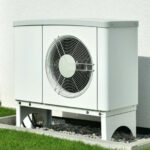
If a heat pump interests you, a hybrid setup pairs a heat pump with a high-efficiency gas furnace as backup. Our heat pump installation page explains how that works in a Barrie winter.
Repair, replace or rent: when does the upgrade pay off?
High-efficiency furnace savings pay back the upgrade fastest when the old furnace is low-efficiency and nearing the end of its life. Use these signals:
- Age 15 years or more. Parts get harder to find and efficiency has usually dropped below the label.
- AFUE of 80% or lower. Check the rating plate inside the door panel, or ask us to read it during a visit.
- Two or more repairs in the last couple of winters. Compare the repair bill with the yearly saving in the table above.
- Uneven heat, short cycling or a pilot that keeps going out. These are reasons to book furnace repair in Barrie now, and to start planning the replacement.
When replacement is the right call, our team handles the heat-loss calculation, venting and permits as part of furnace installation in Barrie, with the price in writing before any work starts. If a large upfront cost is the problem, Aire One Barrie also offers a rent or buy a furnace option, and our Carrier furnace series comparison explains the difference between the Comfort, Performance and Infinity lines.
What we see in Barrie homes
The biggest savings we see come from older homes in Barrie’s established neighbourhoods and the surrounding towns, where a 1980s or 1990s furnace is still running at 60% to 80% AFUE. New condensing furnaces vent through PVC pipes at the side of the house instead of the chimney, so during the install we route the intake and exhaust where lake-effect snow will not bury them, and we show homeowners how to keep those pipe ends clear. A furnace that cannot breathe will shut itself down on the coldest night of the year.

Safety note
Gas furnaces are not a do-it-yourself project. Reading the rating plate, changing the filter, checking the thermostat and keeping the outdoor vent pipes clear of snow are safe homeowner tasks. Opening the burner compartment, touching gas lines or the gas valve, or bypassing a safety switch is not. If you smell gas, leave the house and call Enbridge Gas’s emergency line from outside. If a carbon monoxide alarm sounds, get everyone outside and call 911. All gas work should be done by a licensed technician.
Find out what a new furnace would save in your home
Aire One Barrie’s licensed technicians will read your current furnace’s efficiency, size the replacement properly and give you a free, detailed estimate with the price before any work starts. 24/7 emergency service is available when the old furnace quits first.
Aire One Barrie · 176 Burton Ave, Barrie, ON L4N 2S1 · 705-733-1003
Frequently asked questions
How much does a high-efficiency furnace save per year?
It depends on the furnace you replace. Moving from a 60% AFUE furnace to a 96% model cuts heating gas by about 37%; from 80% to 96% saves about 17%. On a home that spends $1,200 a year on heating gas, that is roughly $200 to $450 a year, before any electricity savings from a more efficient blower.
Is a 96% furnace worth it over a 90% furnace?
The gas saving between 90% and 96% AFUE is about 6%, so on gas alone the payback is slow. The better reason to choose a higher-end model is usually staging and the variable-speed blower, which improve comfort and lower electricity use. If you are replacing an 80% or older furnace, almost any current 95%+ unit is a big step up.
Does Canada still allow 80% furnaces?
Only in a narrow case. Since July 3, 2019, most new residential gas furnaces sold in Canada must be at least 95% AFUE. An 80% “replacement non-condensing” furnace is allowed where a home cannot be vented for a condensing unit. Your installer will tell you if that applies.
Is there an Ontario rebate for a new gas furnace in 2026?
Not for a furnace on its own under the Home Renovation Savings Program, as of this update. The program covers smart thermostats, heat pumps, insulation, air sealing, windows and doors. Check the official program page for current amounts, because rebates change.
How long does a high-efficiency furnace last in Barrie?
With annual maintenance, a modern condensing furnace commonly runs 15 to 20 years. Keeping the filter clean, the condensate drain clear and the PVC vents free of snow are the three habits that protect its lifespan in a Simcoe County winter. A maintenance plan keeps the warranty valid too.
Sources
- Natural Resources Canada, Energy Efficiency Regulations: Gas furnaces (minimum AFUE by manufacture date). natural-resources.canada.ca
- Government of Canada, Energy Efficiency Regulations, 2016 (SOR/2016-311), section 259, gas furnace standards. laws.justice.gc.ca
- Natural Resources Canada, Energy Use in the Residential Sector, 2020 (space heating 61% of residential energy use; natural gas 53% of space heating; high-efficiency furnace share). oee.rncan-nrcan.gc.ca
- Save on Energy and Enbridge Gas, Home Renovation Savings Program (eligible upgrades and rebate amounts). saveonenergy.ca and homerenovationsavings.ca
- Natural Resources Canada, Closed: Greener Homes Grant, Ontario. natural-resources.canada.ca