


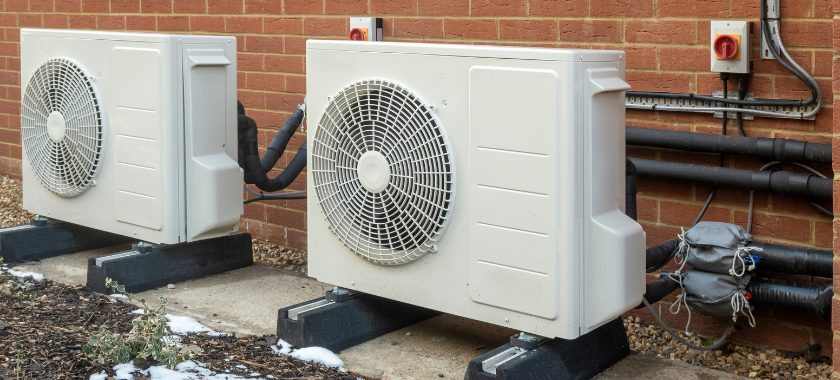
As the demand for green and energy-efficient heating options grows, heat pumps are becoming more common. But a question we often hear is whether heat pumps can manage the extreme cold of winter, like in Barrie and other northern areas. The short answer is yes — but knowing how to use them and making the right technology choices are crucial for dependable winter comfort.
How Heat Pumps Work in Cold Weather
They’re special because they don’t make heat; they move it. They work by pulling ambient heat from the air or ground, even when outside temperatures have fallen below freezing and bringing it into your home. Heat pump technology has advanced significantly in the last few years, allowing many systems to function well even in extreme cold, down to -25°C (-13°F).
The two most common types of heat pumps:
- Air-Source Heat Pumps (ASHP): These use the actual outside air to extract heat from. Cold climate units feature high-tech compressors and refrigerants to ensure that they remain efficient when temperatures go down below freezing.
- Ground-Source (Geothermal) Heat Pumps: They work by pulling heat from the ground, where temperatures are consistent all year. Geothermal systems work very well in a severe climate, but cost more upfront to install.
Modern Cold-Climate Heat Pump Features
Modern heat pumps often come with the following added features to help withstand frigid winters:
- Improved Refrigerants: Refrigerants specially developed for cold-weather performance.
- Variable-Speed Compressors: Keep things comfortable while using less energy and eliminating temperature swings with adaptive heating technology.
- Backup Heat Integration: For the coldest of days, specific heating systems utilize gas or electric backup to prevent sudden loss of heating.
- De-Icing Cycle: Outdoor units will self-defrost to prevent ice build-up during the dead of winter.
Benefits of Heat Pumps in Cold Winters
Even in the cold, heat pumps have several advantages:
- Efficiency: Heat pumps can generate up to 3 times the heat that the electricity required to operate them, which is far more efficient than a standard furnace.
- All-Weather Support: These heat pumps also offer air conditioning, which only adds to the year-round support and comfort.
- Eco-Friendly: Less dependence on fossil fuel leads to less carbon emissions, even in places where it is cold.
- Constant, Even Comfort: Unlike traditional heating and cooling systems that blow hot and cold air, advanced heat pumps intuitively monitor the room so it stays at your perfect temperature.
Choosing the Right Heat Pump for Cold Climates
When choosing a heat pump for freezing weather, consider:
- Cold-Climate Rating: Find one that has features for cold-temperature conditions.
- Sizing and installation: ideal for professionals: Professional design and proper installation are essential for optimal product performance.
- Efficiency Ratings: compare things like the HSPF (Heating Seasonal Performance Factor) and COP (Coefficient of Performance).
- Professional Installation: Qualified installers such as Aire One Barrie will guarantee the best placement and installation for brutal winters.
Final Thoughts
Heat pump technology has advanced to the point where heat pumps are effective in cold climates and are an energy-efficient choice under ideal circumstances. Keep your home warm and save money on heating costs all winter long in Barrie when you have the right equipment, correctly sized and professionally installed.
With the selection of a modern cold-climate heat pump, you’re really not just buying comfort, but you’re also lowering monthly energy bills and reducing your environmental footprint.


